Hey there! As a hot and sour soup supplier, I've been getting a lot of questions about the role of starch in this delicious dish. So, I thought I'd take a moment to break it down for you.
First off, let's talk about what starch is. Starch is a complex carbohydrate that's found in many plants, like corn, potatoes, and wheat. It's made up of long chains of glucose molecules, which gives it some pretty unique properties.
In hot and sour soup, starch serves several important functions. One of the main roles is to thicken the soup. When you add starch to the soup and heat it up, the starch granules absorb water and swell, creating a thick, viscous texture. This thickness not only makes the soup more satisfying to eat but also helps to hold all the ingredients together. It gives the soup a rich, hearty mouthfeel that's characteristic of hot and sour soup.


Another important function of starch is to improve the soup's stability. Without starch, the soup might separate or become too thin over time. The starch acts as a stabilizer, keeping the different components of the soup - like the broth, vegetables, and proteins - well - mixed. This means that every spoonful of soup you take will have a consistent flavor and texture.
Starch also plays a role in enhancing the soup's flavor. It can help to trap and hold the flavors of the other ingredients in the soup. The thickened texture allows the flavors to linger on your taste buds for longer, making the overall taste experience more intense.
Now, let's get into how we use starch in our hot and sour soup. At our place, we typically use cornstarch, which is a popular choice for thickening soups. We start by making a slurry, which is a mixture of cornstarch and cold water. This helps to prevent the starch from clumping when it's added to the hot soup.
We slowly pour the starch slurry into the simmering soup while constantly stirring. This ensures that the starch is evenly distributed throughout the soup. As the soup continues to cook, the starch thickens, and we can adjust the consistency by adding more or less slurry depending on how thick we want the soup to be.
One of the great things about using starch in hot and sour soup is that it's a versatile ingredient. You can use different types of starch, like potato starch or tapioca starch, depending on your preference. Each type of starch has its own unique properties. For example, potato starch gives a slightly more translucent and smooth texture, while tapioca starch can create a more chewy and elastic consistency.
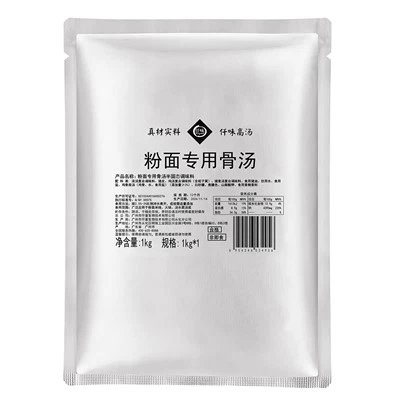
If you're interested in trying out different types of hot and sour soup, we've got some great options for you. Check out our Sichuan Sour and Spicy Soup, which has a bold and spicy flavor profile. Or, if you're looking for a convenient option, our Hot and Sour Soup Base makes it easy to whip up a delicious bowl of soup at home. And don't forget about our Suan La Tang, a classic Chinese hot and sour soup that's full of flavor.
In addition to thickening and stabilizing the soup, starch can also have some nutritional benefits. It's a good source of energy, as it's broken down into glucose in the body. And since it helps to make the soup more filling, it can be a great addition to a balanced meal.
But, like with any ingredient, it's important to use starch in moderation. Too much starch can make the soup overly thick and gummy, which can be a turn - off. We always aim for the perfect balance in our hot and sour soup, so that it has just the right thickness and flavor.
If you're a restaurant owner or a food service provider, you might be interested in partnering with us. We offer high - quality hot and sour soup products that are made with the freshest ingredients and the right amount of starch to ensure the best taste and texture. Whether you're looking to add a new soup to your menu or need a reliable supplier for your existing offerings, we've got you covered.
We're constantly working on improving our products and coming up with new recipes. We know that the demand for hot and sour soup is growing, and we want to make sure that we're meeting the needs of our customers. So, if you have any suggestions or feedback, we'd love to hear from you.
To sum it up, starch is a crucial ingredient in hot and sour soup. It thickens the soup, stabilizes it, enhances the flavor, and even has some nutritional benefits. Whether you're making hot and sour soup at home or running a business, understanding the role of starch can help you create a delicious and satisfying bowl of soup.
If you're interested in learning more about our hot and sour soup products or want to start a partnership, don't hesitate to reach out. We're here to help you bring the amazing flavors of hot and sour soup to your customers.
References
- "The Science of Cooking: Understanding the Biology and Chemistry Behind Food and Cooking" by Simon Quellen Field
- "Chinese Cooking: Techniques and Recipes" by Eileen Yin - Fei Lo