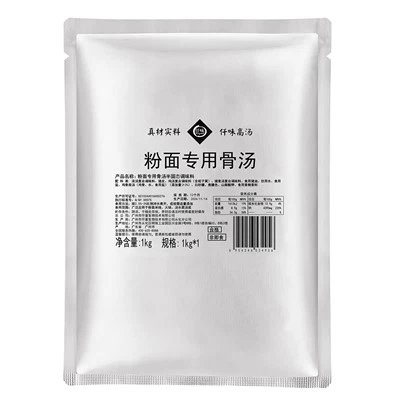
Let’s talk about something that hits different when you step into a room, takes a deep breath, and immediately makes your mouth water— the aroma of a good pork broth soup. As someone who’s been in the pork broth soup supplier game for years, I’ve spent more time than I can count leaning over simmering pots, sniffing, adjusting heat, and figuring out why some broths have that magic aroma that lingers on clothes all day, while others just feel… flat. It’s not just about boiling pork bones, trust me. There’s actual science here, plus a lot of little tricks we’ve picked up over time that make all the difference.
First off, let’s break down what makes a pork broth’s aroma work. When you cook pork bones low and slow, the collagen breaks down into gelatin, right? But that’s not where the scent comes from. The key is Maillard reaction— that chemical thing that happens when amino acids and reducing sugars react at high heat, creating hundreds of different aroma compounds. Wait, but broth is usually simmered at a low temp, not searing hot. Oh, right— it’s the pre-simmer step. We always roast our bones (and some pork trimmings) in the oven first for 45 minutes at 375°F. That deep, nutty, slightly meaty scent that hits you when you pull them out of the oven? That’s the Maillard stuff starting, and that’s what layers into the broth’s aroma later. Without that step, your broth just tastes like boiled bones, nothing special.
Then there’s the water itself, and the initial simmer. Once we add the roasted bones to cold water (hot water can seal in the surface of the bones, trapping gunk and bad odors), we bring it up to a gentle bubble— never a rolling boil. Boiling makes the broth cloudy and those smelly, sulfuric compounds from the bones come out, which is exactly what you don’t want. Instead, a tiny simmer lets the good compounds (like aldehydes, which give that rich, fatty, slightly floral note, and ketones, which add a sweet, buttery warmth) release slowly. I’ve seen so many new suppliers skip this part, crank the heat, and wonder why their broth smells “off” when it’s done.
Herbs and aromatics matter too, but they’re not just tossed in for flavor— they shape the aroma too. We use things like ginger, garlic, scallions, and a touch of kombu (dried kelp) in our pork broths. Ginger adds that bright, spicy zing that cuts through the richness of the pork, garlic gives a deep, earthy undertone, and kombu brings a subtle umami boost that makes the whole scent feel more rounded. If you add aromatics too early, though, they can get bitter or muddy. We add ours after an hour of simmering bones, so their fresh notes stay intact. That’s why our broths don’t smell like just “pork”— they have that perfect balance of meaty, sweet, and bright that people can’t get enough of.
Now, let’s get specific about different types of pork broth, because their aromas shift depending on what they’re made for. Like, if you’re making something for ramen, that’s a different vibe than a hot pot soup base. Our Pork Ramen Stock is designed for that. It has a deeper, more intense porky scent because we use a mix of pork neck bones and ham hocks, which have more connective tissue and fat. The aroma is rich, creamy, with that subtle tang from a splash of rice wine we add at the end— exactly what makes a bowl of ramen feel comforting. Then there’s our Pork Broth Base, which is a little more versatile. It’s concentrated, so when you dilute it for soup or stew, it has that same balanced aroma but isn’t as heavy as the ramen stock. That’s why it’s been a go-to for small cafes and home cooks who want a quick, flavorful base without all the work.
Oh, and let’s talk about our Soup Base for Pork Bone Hot Pot. Hot pot is all about sharing, so the aroma needs to be big enough to fill a whole table and a room. We use more pork bones and a touch of bone marrow in this one, so the aroma is extra robust— that deep, fatty, meaty smell that makes everyone gather around the pot. It’s not too strong, though; there’s still that bright ginger and garlic cut through, so it doesn’t feel cloying. I’ve had customers tell me that when they set up a hot pot station with our base, people line up just for the smell before they even taste it. That’s the good stuff.
Our Concentrated Pork Stock is another game-changer, especially for bigger operations. A lot of restaurants don’t have time to simmer broth for 12 hours every day, so a concentrated version that just needs water added is perfect. But the key here is that even when we concentrate it, we don’t cut corners on the aroma. We still roast the bones first, simmer low and slow, then reduce it down to a thick, liquid gold— and when you add water back in, that original rich aroma comes right back. No fake scents, no additives, just real pork goodness. That’s why it’s been such a hit with quick-serve restaurants and caterers who don’t want to sacrifice quality.
And let’s not forget our Chicken and Pork Broth, which is a little different because it combines two proteins. The chicken adds a lighter, slightly sweet aroma that balances out the pork’s richness. It’s great for soups that aren’t super heavy, like pork and chicken noodle soup or a simple vegetable pork broth. The two aromas work together instead of fighting, which makes it super versatile for all kinds of dishes.
Here’s the thing I’ve learned over the years: aroma is what makes people remember your soup. It’s the first impression, before they take a bite. If your broth smells flat or like just plain boiled meat, people might try it once, but they won’t come back. But if it smells like something warm, familiar, and a little magical— like comfort in a pot— that’s when you have a product that stands out. We’ve tested our broths with hundreds of people, and the feedback is always the same: “That pork broth smells like my grandma’s cooking, but better.” That’s the goal.


I want to be real with you, too— it’s not always easy. Simmering pork bones for 10 or 12 hours, standing by the stove to skim the foam off the top (that’s another key step, by the way— skimming the impurities so they don’t make the broth smell off), testing the aroma every hour, adjusting the heat if it’s getting too high. But when you see a customer light up because their soup smells exactly like it should, it’s worth it.
If you’re a restaurant owner, caterer, or even a home cook looking to step up your pork broth game, you don’t have to do all that simmering yourself. We’ve put all that work in for you. Whether you need a stock for ramen, a base for hot pot, a concentrated version for big batches, or that perfect chicken and pork mix, we’ve got you covered. Our pork broth products are made with 100% real pork bones, no artificial flavors, no preservatives— just the same care and attention we’d put into making broth for our own families.
If you’re ready to take your menu or your home cooking to the next level, let’s chat. We can talk about what kind of broth fits your needs, sample our products, and make sure you get the exact aroma that will keep your customers (or your family) coming back for more. Don’t settle for a pork broth that smells like nothing special— go for one that has that warm, rich, unforgettable scent.
References
- McGee, H. (2004). On Food and Cooking: The Science and Lore of the Kitchen. Scribner.
- Mottram, D. S. (1998). Flavor of Meat. Meat Science, 49(Suppl 1), S29-S42.
- Chen, D. W., & Zhang, M. (2007). Umami and Food Palatability. Journal of Food Science, 72(2), R21-R28.