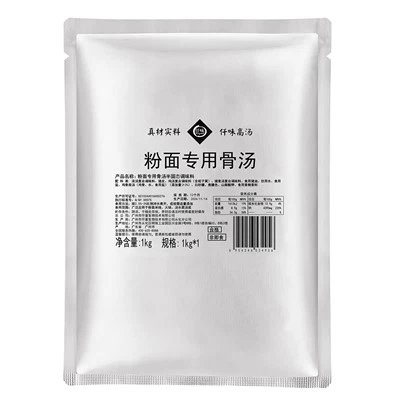
Hey there! As a hot and sour soup supplier, I often get asked some interesting questions about our signature dish. One question that popped up recently is, "Can I add beans to hot and sour soup?" Well, let's dive right into this topic and see what we can find out.
First off, hot and sour soup is a classic dish with a long - standing history. It's known for its unique combination of flavors - the tangy sourness, the spicy kick, and the savory undertones. There are different variations of hot and sour soup around the world. For example, the Sichuan Sour and Spicy Soup from China has a bold and intense flavor profile, while the Hot and Sour Tom Yum Soup brings in the tropical and citrusy notes from Southeast Asia.


Now, when it comes to adding beans to hot and sour soup, it's not a common practice in traditional recipes. But that doesn't mean it's a bad idea. Let's look at the pros and cons.
The Pros of Adding Beans
-
Nutritional Boost
Beans are a great source of protein, fiber, and various vitamins and minerals. Adding them to hot and sour soup can make it a more balanced and nutritious meal. For instance, black beans are rich in iron and folate, while chickpeas are high in protein and manganese. If you're looking to make your soup a bit more filling and healthy, beans can be a great addition. -
Texture Variety
Hot and sour soup usually has a smooth and slightly thick consistency. Beans can add a nice contrast in texture. The soft yet slightly firm beans will give your spoonful of soup a bit of a bite, making the eating experience more interesting. Whether you use small beans like mung beans or larger ones like kidney beans, they'll bring a new dimension to the soup. -
Flavor Enhancement
Beans have their own unique flavor. Depending on the type of beans you choose, they can add an earthy, nutty, or even a sweet undertone to the soup. For example, lentils have a mild, earthy flavor that can complement the spicy and sour flavors of the soup without overpowering them.
The Cons of Adding Beans
-
Altered Flavor Profile
Hot and sour soup has a very specific flavor profile that's been refined over centuries. Adding beans might change that balance. Some beans have a strong flavor that could potentially mask the traditional hot and sour taste. For example, if you use a large amount of strongly - flavored beans like fava beans, they might make the soup taste more like a bean stew than a classic hot and sour soup. -
Cooking Time
Beans usually take longer to cook compared to the other ingredients in hot and sour soup. If you add them directly to the soup, you might end up overcooking the other ingredients while waiting for the beans to become tender. You'll need to plan ahead and pre - cook the beans separately before adding them to the soup. -
Digestive Issues
Some people have trouble digesting beans. They can cause bloating, gas, and other digestive discomforts. If you're serving the soup to a large group or customers with sensitive stomachs, you might want to be cautious about adding beans.
How to Add Beans to Hot and Sour Soup
If you've decided to give it a try, here's how you can add beans to hot and sour soup:
-
Choose the Right Beans
Opt for beans that have a mild flavor and cook relatively quickly. Good choices include mung beans, lentils, and chickpeas. Avoid using large, strongly - flavored beans like lima beans or soybeans unless you're really confident in your flavor - balancing skills. -
Pre - cook the Beans
Soak the beans overnight to reduce their cooking time. Then, boil them until they're tender but still firm. This way, you can add them to the hot and sour soup towards the end of the cooking process without having to overcook the other ingredients. -
Adjust the Seasoning
Since beans can absorb some of the flavors in the soup, you might need to adjust the seasoning. Add a bit more vinegar, soy sauce, or chili to make sure the hot and sour flavors are still prominent.
Different Bean Combinations
You don't have to stick to just one type of bean. You can create interesting combinations. For example, a mix of mung beans and chickpeas can give you a combination of different textures and flavors. The mung beans are small and have a delicate flavor, while the chickpeas are larger and have a more substantial taste.
Another idea is to use a combination of canned and dried beans. Canned beans are already cooked and can be added directly to the soup, while dried beans can be pre - cooked and bring in a more natural flavor.
Customer Reactions
We've actually experimented with adding beans to our hot and sour soup in our test kitchen. Some of our customers loved the new version. They appreciated the added nutrition and the new texture. However, there were also a few who preferred the traditional recipe without beans. It just goes to show that everyone has different taste preferences.
Our Spicy Hot Pot Base and Beans
If you're using our Spicy Hot Pot Base to make hot and sour soup, adding beans can be a great way to customize the soup. The base has a rich, spicy flavor that can pair well with the earthy flavor of beans. Just make sure to follow the cooking instructions for the base and adjust the bean quantity according to your taste.
Conclusion
So, can you add beans to hot and sour soup? Absolutely! While it's not a traditional addition, it can bring new flavors, textures, and nutritional benefits to the soup. However, you need to be aware of the potential drawbacks and make adjustments accordingly.
If you're a restaurant owner, a home cook, or just someone who loves hot and sour soup, I encourage you to give it a try. Experiment with different types of beans and see what works best for you.
If you're interested in purchasing our hot and sour soup products or our Spicy Hot Pot Base, we're always open for business. Reach out to us for a procurement discussion, and let's create some delicious hot and sour soup together!
References
- "The Art of Chinese Cooking" by Eileen Yin - Fei Lo
- "Southeast Asian Street Food" by Naomi Duguid
- "Bean Basics: A Guide to Cooking and Nutrition" by The Bean Institute