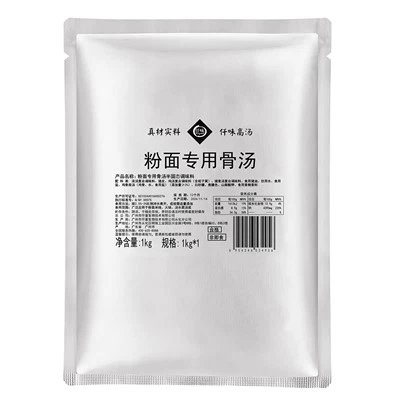
As a supplier of Pork Ramen Stock, I often receive various inquiries from customers about the ingredients and production of our stock. One question that has popped up quite frequently is, "Can I use pork kidneys for ramen stock?" In this blog post, I'll delve into this topic, exploring the feasibility, benefits, and potential drawbacks of using pork kidneys in ramen stock.
The Feasibility of Using Pork Kidneys for Ramen Stock
First and foremost, it's entirely possible to use pork kidneys for ramen stock. Pork kidneys, like other pork organs, are rich in flavor compounds. They contain umami - the fifth basic taste that gives food a savory, meaty, and satisfying flavor. Umami is a crucial element in ramen stock, as it provides the depth and complexity that ramen lovers crave.
When simmered for an extended period, pork kidneys release their flavors into the stock. The slow cooking process breaks down the proteins and fats in the kidneys, extracting their essence and infusing it into the liquid. This results in a stock that has a unique, intense, and somewhat earthy flavor profile.


However, using pork kidneys in ramen stock isn't without its challenges. Pork kidneys have a distinct and strong flavor that can be overpowering if not handled properly. They also have a tendency to develop a bitter taste if not cleaned thoroughly. Therefore, it's essential to take the time to clean the kidneys properly before using them in the stock.
Cleaning and Preparing Pork Kidneys for Ramen Stock
To clean pork kidneys, start by trimming away any visible fat or connective tissue. Then, make a lengthwise cut through the kidney to expose the inner core. Use a sharp knife to carefully remove the white fibrous core, which can be a source of bitterness.
After removing the core, soak the kidneys in cold water for at least an hour, changing the water every 15 - 20 minutes. This helps to draw out any remaining blood and impurities, reducing the risk of a bitter taste in the stock.
Once the kidneys are clean, you can proceed to add them to the ramen stock. It's a good idea to start with a small amount, perhaps one or two kidneys for a large batch of stock, to gauge the flavor. You can always add more if you find the flavor too mild.
Benefits of Using Pork Kidneys in Ramen Stock
One of the main benefits of using pork kidneys in ramen stock is the unique flavor they impart. As mentioned earlier, pork kidneys have an earthy, rich flavor that can add a new dimension to your ramen. This can set your ramen apart from others on the market, giving it a distinct identity that customers will remember.
In addition to their flavor, pork kidneys are also a good source of nutrients. They are rich in protein, vitamins, and minerals, including vitamin B12, iron, and zinc. By using pork kidneys in your ramen stock, you can provide your customers with a more nutritious meal.
Another advantage of using pork kidneys is that they are relatively inexpensive compared to other cuts of pork. This can help to reduce the cost of producing your ramen stock, allowing you to offer a more competitive price to your customers.
Potential Drawbacks of Using Pork Kidneys in Ramen Stock
As previously mentioned, the strong flavor of pork kidneys can be a drawback. Some people may find the taste too intense or off - putting, especially if they are not accustomed to eating organ meats. This could limit the appeal of your ramen to a certain segment of the market.
There is also the issue of cultural preferences. In some cultures, eating organ meats like pork kidneys is not common or is even considered taboo. Therefore, if you're targeting a diverse customer base, you need to be aware of these cultural differences and how they may affect the acceptance of your ramen.
Combining Pork Kidneys with Other Ingredients
To balance the strong flavor of pork kidneys and make the ramen stock more appealing to a wider audience, it's a good idea to combine them with other ingredients. For example, you can use a combination of pork bones, pork trotters, and vegetables to create a more well - rounded flavor.
Pork bones, such as Pork Bone Soup Base, are a classic ingredient in ramen stock. They provide a rich, gelatinous texture and a deep, meaty flavor. Pork trotters are also a great addition, as they are high in collagen, which gives the stock a thick and creamy consistency.
Vegetables like onions, carrots, and celery can add sweetness and freshness to the stock, helping to offset the earthy flavor of the pork kidneys. You can also add herbs and spices, such as garlic, ginger, and scallions, to enhance the overall flavor profile.
Market Considerations
When deciding whether to use pork kidneys in your ramen stock, it's important to consider the market demand. Conduct market research to understand your target customers' preferences and attitudes towards using organ meats in food. You can also test the product with a small group of customers to get feedback on the flavor and acceptability of the ramen.
If you find that there is a demand for ramen with a unique flavor profile, using pork kidneys in your stock could be a great way to differentiate your product from competitors. However, if you're targeting a more conservative market, you may want to use pork kidneys sparingly or focus on other ingredients.
Conclusion
In conclusion, using pork kidneys for ramen stock is a viable option that can add a unique and rich flavor to your product. However, it requires careful preparation and consideration of the potential drawbacks. By cleaning the kidneys properly, combining them with other ingredients, and understanding your market, you can create a delicious and appealing ramen stock that stands out in the market.
If you're interested in exploring the use of pork kidneys in your ramen stock or are looking for high - quality pork ramen stock, we'd love to hear from you. We are a leading supplier of Pork Broth Base and Soup Base for Pork Bone Hot Pot, and we can provide you with the ingredients and expertise you need to create a successful ramen product. Contact us to start a procurement discussion and take your ramen business to the next level.
References
- "The Science of Umami in Cooking" by Umami Information Center
- "Cooking with Organ Meats: A Guide to Preparation and Flavor" by Gourmet Organ Meats Association
- "Ramen: A Cultural and Culinary Exploration" by Ramen Research Institute