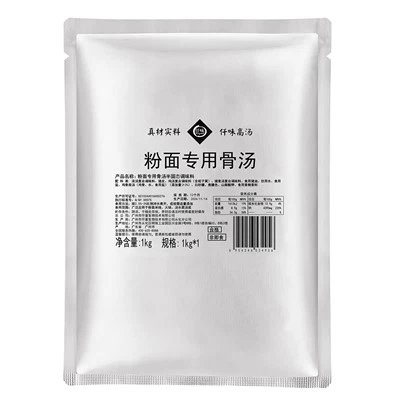
As a seasoned supplier of tomato bouillon, I've encountered numerous inquiries regarding the optimal storage temperature for this delectable product. The storage temperature of tomato bouillon is not merely a trivial matter; it significantly impacts its quality, flavor, and shelf - life. In this blog, I'll delve into the science behind the best temperature to store tomato bouillon and share some practical insights for both consumers and businesses.
The Composition of Tomato Bouillon and Its Vulnerability
Tomato bouillon is a rich concoction made primarily from tomatoes, along with various seasonings, herbs, and sometimes meat or vegetable extracts. Tomatoes are a natural source of vitamins, minerals, and organic acids. The high water content in tomato bouillon, combined with its nutrient - rich nature, makes it a prime target for microbial growth. Bacteria, yeasts, and molds thrive in environments where they have access to moisture, nutrients, and favorable temperatures.
Microbial Growth and Temperature
Microorganisms have specific temperature ranges in which they can grow and multiply. These ranges are generally classified into three categories: psychrophiles (cold - loving), mesophiles (moderate - temperature loving), and thermophiles (heat - loving).
Most of the harmful bacteria that can contaminate tomato bouillon are mesophiles. They grow best at temperatures between 20°C and 45°C (68°F - 113°F). This is known as the "danger zone" for food safety. When tomato bouillon is stored within this temperature range, bacteria can multiply rapidly, leading to spoilage and potential health risks.
Psychrophiles, on the other hand, can grow at temperatures as low as 0°C (32°F). While their growth rate is much slower compared to mesophiles, they can still cause spoilage over an extended period. Thermophiles require temperatures above 45°C (113°F) to grow, which is not a concern for normal storage conditions of tomato bouillon.
Optimal Storage Temperature for Unopened Tomato Bouillon
For unopened tomato bouillon, the ideal storage temperature is a cool, dry place away from direct sunlight. A pantry or cupboard at room temperature, which is typically between 10°C and 20°C (50°F - 68°F), is suitable. At these temperatures, the chemical reactions that cause spoilage and flavor degradation occur at a relatively slow rate.
The packaging of our Tomato Soup Base is designed to protect the product from light, oxygen, and moisture, which are also factors that can affect its quality. As long as the packaging remains intact, the bouillon can maintain its quality for an extended period. However, it's important to check the expiration date on the package, as factors such as the quality of ingredients and manufacturing processes can also influence the shelf - life.


Optimal Storage Temperature for Opened Tomato Bouillon
Once the tomato bouillon is opened, its exposure to air and potential contaminants increases. To prevent microbial growth and maintain its quality, it should be refrigerated. The recommended temperature for storing opened tomato bouillon in the refrigerator is between 0°C and 5°C (32°F - 41°F).
At this temperature range, the growth of most mesophilic bacteria is significantly inhibited. The cold environment slows down the enzymatic reactions that can cause the bouillon to lose its flavor and nutritional value. However, it's important to note that even in the refrigerator, opened tomato bouillon should be consumed within a few days.
If you have a large quantity of opened tomato bouillon that you don't plan to use immediately, you can also freeze it. Freezing at - 18°C (0°F) or lower stops the growth of bacteria completely. Our Tomato Hot Pot Base can be easily frozen in ice cube trays or sealed containers. When you're ready to use it, simply thaw it in the refrigerator overnight.
Impact of Temperature on Flavor and Texture
Temperature not only affects the safety of tomato bouillon but also its flavor and texture. When stored at high temperatures, the volatile compounds in the bouillon can evaporate, leading to a loss of aroma and a less intense flavor. The heat can also cause the proteins and starches in the bouillon to break down, resulting in a change in texture, such as thinning or separation.
On the other hand, storing tomato bouillon at very low temperatures for an extended period can also have a negative impact. Freezing can cause the water in the bouillon to expand, which may damage the cell structure of the ingredients and result in a loss of texture. When thawed, the bouillon may appear watery or have a different consistency.
Practical Tips for Storage
- Proper Sealing: Whether the bouillon is stored in the pantry, refrigerator, or freezer, it should be properly sealed. Use air - tight containers or resealable packaging to prevent air and moisture from entering.
- Labeling: When freezing tomato bouillon, label the containers with the date of freezing. This helps you keep track of how long it has been stored and ensures that you use the oldest product first.
- Avoid Temperature Fluctuations: Try to keep the storage temperature as consistent as possible. Frequent temperature changes can cause condensation inside the packaging, which can promote the growth of mold and bacteria.
The Importance of Correct Storage Temperature for Our Business
As a tomato bouillon supplier, we understand the importance of providing our customers with high - quality products. Ensuring that the bouillon is stored at the correct temperature from the moment it leaves our production facility until it reaches the consumer's kitchen is crucial.
Our Tomato Hot Pot Soup Base is carefully manufactured and packaged to meet the highest quality standards. We work closely with our logistics partners to ensure that the products are transported and stored at the appropriate temperatures. By educating our customers about the best storage practices, we can help them enjoy the full flavor and quality of our tomato bouillon.
Conclusion
In conclusion, the best temperature to store tomato bouillon depends on whether it is opened or unopened. Unopened bouillon can be stored at room temperature in a cool, dry place, while opened bouillon should be refrigerated or frozen. Maintaining the correct storage temperature is essential for ensuring the safety, flavor, and texture of the bouillon.
If you're interested in purchasing our high - quality tomato bouillon products, we invite you to contact us for procurement discussions. We're committed to providing you with the best products and services to meet your needs.
References
- "Food Microbiology: Fundamentals and Frontiers" by Michael P. Doyle and Ronald E. Brackett
- "Principles of Food Science, Part II: Food Microbiology" by Norman F. Sommer