Is it necessary to simmer pork stock slowly? This is a question that has intrigued chefs, home cooks, and food enthusiasts alike for generations. As a seasoned pork stock supplier, I've witnessed firsthand the transformative power of slow-simmering and its profound impact on the quality and flavor of the final product. In this blog post, I'll delve into the science behind slow-simmering pork stock, explore its benefits, and share some insights into why it's an essential step in creating a truly exceptional pork stock.
The Science of Slow-Simmering
To understand why slow-simmering is so crucial, it's important to first grasp the basic principles of cooking. When we simmer pork stock, we're essentially breaking down the connective tissues and collagen in the bones and meat. These proteins are what give the stock its rich, gelatinous texture and depth of flavor. Collagen, in particular, is a fibrous protein that's found in the joints, tendons, and ligaments of animals. When heated, collagen breaks down into gelatin, which not only thickens the stock but also adds a silky, mouthfeel and a rich umami flavor.
The process of breaking down collagen into gelatin is a slow one, and it requires time and gentle heat. If we cook the stock too quickly or at too high a temperature, the collagen won't have enough time to break down fully, resulting in a thin, watery stock with little flavor or body. On the other hand, if we simmer the stock slowly over a low heat for an extended period, the collagen will break down gradually, releasing its gelatin into the liquid and creating a thick, flavorful stock that's perfect for soups, stews, sauces, and gravies.
Benefits of Slow-Simmering Pork Stock
There are several benefits to slow-simmering pork stock, both in terms of flavor and nutrition. Here are some of the key advantages:


- Enhanced Flavor: Slow-simmering allows the flavors of the bones, meat, vegetables, and herbs to meld together over time, creating a rich, complex flavor profile that's far more depth and complexity than a quickly cooked stock. The long, gentle cooking process also helps to extract the maximum amount of flavor from the ingredients, resulting in a stock that's full-bodied and intense.
- Improved Texture: As mentioned earlier, slow-simmering breaks down the collagen in the bones and meat, releasing gelatin into the liquid and creating a thick, silky texture. This gelatin not only gives the stock a luxurious mouthfeel but also helps to thicken soups, stews, and sauces without the need for additional thickeners.
- Increased Nutritional Value: Pork stock is a rich source of vitamins, minerals, and amino acids, including calcium, magnesium, phosphorus, and glycine. Slow-simmering helps to extract these nutrients from the bones and meat, making them more readily available for our bodies to absorb. Additionally, the gelatin in the stock has been shown to have several health benefits, including improved joint health, digestion, and skin elasticity.
- Versatility: Slow-simmered pork stock is incredibly versatile and can be used in a wide variety of dishes. It's the perfect base for soups, stews, sauces, and gravies, and it can also be used to add flavor and moisture to rice, quinoa, and other grains. You can even use it as a substitute for water when cooking vegetables or making a marinade.
How to Slow-Simmer Pork Stock
Now that we've explored the science and benefits of slow-simmering pork stock, let's take a look at how to do it properly. Here's a step-by-step guide:
- Gather Your Ingredients: You'll need a combination of pork bones, meat, vegetables, herbs, and water. The bones and meat provide the flavor and gelatin, while the vegetables and herbs add depth and complexity. Some common vegetables to use include onions, carrots, celery, garlic, and leeks. Herbs such as thyme, rosemary, bay leaves, and parsley are also popular.
- Prepare the Bones and Meat: If you're using pork bones, you'll want to roast them in the oven first to enhance their flavor. Preheat your oven to 400°F (200°C), place the bones on a baking sheet, and roast for 30-40 minutes, or until they're golden brown. You can also add some vegetables and herbs to the baking sheet for extra flavor. Once the bones are roasted, transfer them to a large stockpot.
- Add the Vegetables and Herbs: Add the chopped vegetables and herbs to the stockpot with the bones. You can also add some whole spices, such as peppercorns, cloves, and cinnamon sticks, for additional flavor.
- Cover with Water: Pour enough water over the bones and vegetables to cover them completely. You'll want to use about 2-3 quarts (2-3 liters) of water for every pound (450 grams) of bones and meat.
- Bring to a Boil: Place the stockpot over high heat and bring the water to a boil. Once the water is boiling, reduce the heat to low and let the stock simmer gently.
- Skim the Surface: As the stock simmers, you'll notice a layer of foam and impurities rising to the surface. Use a spoon or ladle to skim this foam off the surface of the stock. This will help to keep the stock clear and flavorful.
- Simmer for Several Hours: Let the stock simmer gently for at least 4-6 hours, or up to 12 hours for a richer, more flavorful stock. The longer you simmer the stock, the more flavor and gelatin it will develop.
- Strain the Stock: Once the stock is finished simmering, remove it from the heat and let it cool slightly. Then, strain the stock through a fine-mesh sieve or cheesecloth into a clean pot or container. Discard the bones, vegetables, and herbs.
- Store the Stock: Let the stock cool completely, then transfer it to airtight containers and store it in the refrigerator or freezer. The stock will keep in the refrigerator for up to 3-4 days, or in the freezer for up to 3-6 months.
Our Pork Stock Products
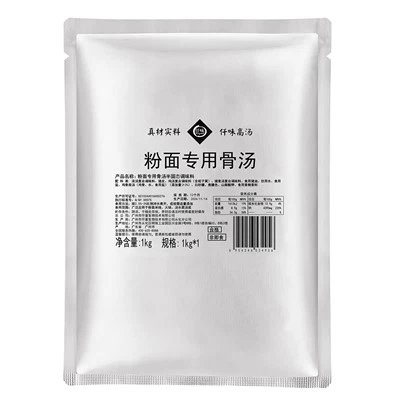
At our company, we take pride in producing high-quality pork stock that's made using traditional slow-simmering methods. Our pork stock is made from a blend of premium pork bones, meat, vegetables, and herbs, and it's simmered for hours to extract the maximum amount of flavor and nutrients. We offer a variety of pork stock products to suit different needs and preferences, including:
- Soup Base for Pork Bone Hot Pot: This rich and flavorful soup base is perfect for making pork bone hot pot. It's made with a blend of pork bones, meat, vegetables, and spices, and it's simmered for hours to create a thick, savory broth that's packed with flavor.
- Chicken and Pork Broth: This delicious broth is made with a combination of chicken and pork bones, meat, vegetables, and herbs. It's simmered for hours to create a rich, flavorful broth that's perfect for soups, stews, sauces, and gravies.
- Pork Broth Base: This concentrated pork broth base is a convenient and versatile way to add flavor to your dishes. It's made with a blend of pork bones, meat, vegetables, and herbs, and it's simmered for hours to create a thick, savory broth that can be diluted with water to make a delicious soup or used as a base for sauces and gravies.
Conclusion
In conclusion, slow-simmering pork stock is an essential step in creating a truly exceptional pork stock. It allows the flavors of the bones, meat, vegetables, and herbs to meld together over time, creating a rich, complex flavor profile that's far more depth and complexity than a quickly cooked stock. Slow-simmering also helps to break down the collagen in the bones and meat, releasing gelatin into the liquid and creating a thick, silky texture. Additionally, slow-simmered pork stock is a rich source of vitamins, minerals, and amino acids, making it a nutritious and healthy addition to your diet.
If you're interested in learning more about our pork stock products or would like to place an order, please don't hesitate to contact us. We'd be happy to answer any questions you may have and help you find the perfect pork stock for your needs.
References
- McGee, H. (2004). On Food and Cooking: The Science and Lore of the Kitchen. Scribner.
- Ruhlman, M., & Polcyn, B. (2009). Charcuterie: The Craft of Salting, Smoking, and Curing. W. W. Norton & Company.
- Thomas Keller Restaurant Group. (n.d.). The French Laundry Cookbook. Artisan Books.