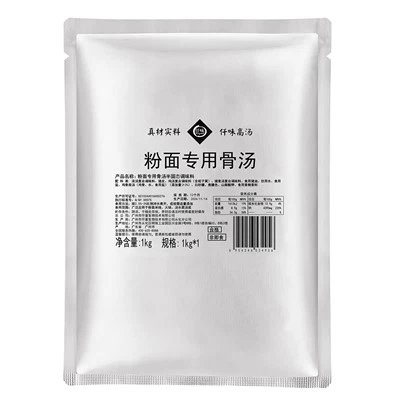
As a seasoned pork stock supplier, one of the most frequently asked questions I encounter is, "How much water should I use for making pork stock?" This seemingly simple query holds the key to crafting a rich, flavorful, and well - balanced pork stock, which is a staple in many kitchens and a crucial ingredient for various culinary creations. In this blog, I'll delve into the factors that influence the water - to - pork ratio and provide some guidelines to help you achieve the perfect pork stock.
Factors Affecting the Water Quantity
Type of Pork Cuts
The choice of pork cuts plays a significant role in determining the amount of water needed. Different cuts have varying fat, collagen, and meat content, which affect the flavor extraction and the overall consistency of the stock. For example, cuts with a high collagen content, such as pork bones, knuckles, or trotters, release gelatin when simmered, thickening the stock. These cuts require more water to prevent the stock from becoming overly thick and gelatinous. On the other hand, leaner cuts like pork loin or shoulder may need less water as they contribute less gelatin and fat.
Desired Stock Consistency
The consistency of the pork stock you want to achieve is another crucial factor. If you prefer a thin, light - bodied stock that can be used as a base for clear soups or sauces, you'll need to use more water. A higher water - to - pork ratio dilutes the flavors and results in a more delicate stock. Conversely, if you're aiming for a rich, concentrated stock that can be used as a flavor enhancer or reduced to make a thick gravy, you should use less water.
Cooking Time
The length of time you simmer the pork stock also impacts the water quantity. Longer cooking times allow for more flavor extraction from the pork, but they also cause more water to evaporate. If you plan to simmer the stock for several hours, you may need to start with more water to account for the evaporation. However, be cautious not to add too much water, as this can result in a weak - flavored stock.
General Guidelines for Water Quantity
Basic Ratio
A good starting point for making pork stock is a ratio of about 3 to 4 cups of water per pound of pork. This ratio works well for a balanced stock that has a rich flavor and a medium consistency. For example, if you're using 2 pounds of pork bones and meat, you would add 6 to 8 cups of water.
Adjusting for Different Cuts
- Pork Bones: When using mainly pork bones to make stock, you can increase the water ratio slightly to 4 to 5 cups per pound. Bones take longer to release their flavors and gelatin, and more water helps to extract these components effectively.
- Lean Pork Cuts: If you're using lean pork cuts like loin or tenderloin, you can reduce the water ratio to 2 to 3 cups per pound. Lean cuts have less fat and collagen, so less water is needed to maintain a good flavor concentration.
Considering the Cooking Vessel
The size and shape of your cooking vessel can also affect the evaporation rate. A wide, shallow pot will have a larger surface area exposed to the air, causing more water to evaporate compared to a tall, narrow pot. If you're using a wide pot, you may need to add a little extra water at the beginning or top up the water during the cooking process.
Tips for Making the Best Pork Stock
Use Cold Water
Always start with cold water when making pork stock. Cold water allows the flavors and nutrients to be slowly extracted from the pork as the temperature rises. Starting with hot water can cause the proteins on the surface of the pork to coagulate quickly, trapping the flavors inside and resulting in a less flavorful stock.
Skim the Surface
During the initial stages of simmering, a layer of scum and impurities will rise to the surface of the stock. Use a ladle or a skimmer to remove this scum regularly. Skimming helps to clarify the stock and prevents it from having a cloudy appearance and a bitter taste.
Add Aromatics
Enhance the flavor of your pork stock by adding aromatics such as onions, carrots, celery, garlic, and herbs like thyme, rosemary, and bay leaves. These ingredients add depth and complexity to the stock. You can tie the herbs together in a bundle or use a spice bag to make them easier to remove later.
Our Pork Stock Products
At our company, we understand the importance of high - quality pork stock in the kitchen. That's why we offer a range of pork stock products to meet different needs.


- Pork Broth Base: Our Pork Broth Base is a concentrated, ready - to - use product that provides a rich, authentic pork flavor. It's perfect for chefs and home cooks who want to save time without compromising on taste.
- Concentrated Pork Stock: Our Concentrated Pork Stock is made from high - quality pork cuts and simmered for hours to extract the maximum flavor. It's ideal for creating rich, flavorful sauces, gravies, and stews.
- Chicken and Pork Broth: This unique blend of chicken and pork flavors offers a versatile base for a wide range of dishes. It combines the best of both worlds, providing a rich, savory flavor that can be used in soups, casseroles, and more.
Contact Us for Procurement
If you're a restaurant owner, a food manufacturer, or a home cook looking for high - quality pork stock products, we'd love to hear from you. Our team of experts is ready to assist you in finding the right product for your needs and providing you with the best possible service. Whether you have questions about our products, need samples, or want to discuss bulk purchasing options, don't hesitate to reach out. We're committed to helping you create delicious, memorable dishes with our premium pork stock.
References
- "The Professional Chef" by The Culinary Institute of America
- "Cook's Illustrated" magazine, various issues on stock - making techniques.