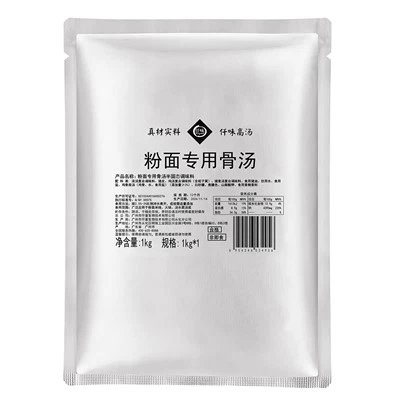
Hey there, foodies and fellow kitchen enthusiasts! As a chicken stock supplier, I get asked a ton of questions about our products. One question that pops up more often than you'd think is, "Does chicken stock need to be refrigerated?" Well, let's dive right into this topic and clear up any confusion.

First off, let's talk about the different types of chicken stock we offer. We've got some amazing options like Chicken Liquid Stock, Umami Chicken Stock, and Golden Chicken Stock. Each one has its own unique flavor profile and uses in the kitchen, but when it comes to storage, there are some general rules that apply.
Unopened chicken stock, whether it's in a can, carton, or other packaging, can usually be stored at room temperature. That's right, you don't have to rush it straight to the fridge as soon as you bring it home from the store. Most commercially - produced chicken stocks are shelf - stable, which means they've been processed in a way that allows them to stay safe to eat without refrigeration until the expiration date on the package. This is great news for those of you who like to stock up on your favorite chicken stock for those impromptu cooking sessions.
However, once you open that container of chicken stock, things change. You've exposed the stock to air, and that can introduce bacteria and other microorganisms that can cause spoilage. So, after opening, you definitely need to refrigerate the chicken stock. You should use a sealed container to store the leftover stock in the fridge. This helps keep out any unwanted odors from other foods in the fridge and also prevents the stock from absorbing moisture, which can affect its flavor and quality.

In the fridge, chicken stock can last for about 3 to 4 days. That gives you plenty of time to use it in your recipes. If you're not going to use it within that time frame, don't worry! You can also freeze the chicken stock. Freezing is a great way to extend the shelf life of your chicken stock. When properly frozen, chicken stock can last for up to 4 to 6 months. Just make sure to leave some room at the top of the container because liquids expand when they freeze.
Now, let's talk about the signs of spoilage. If your chicken stock has an off - smell, like a sour or rancid odor, it's definitely time to toss it. Also, if you notice any mold growth on the surface of the stock, that's a clear indication that it's no longer safe to eat. And if the stock has changed in color or consistency, like becoming cloudy or developing chunks, it's best to err on the side of caution and get rid of it.
Why is it so important to store chicken stock correctly? Well, aside from the obvious health reasons, proper storage helps maintain the flavor and quality of the stock. When you're making a delicious soup, stew, or sauce, you want the chicken stock to be at its best. A well - stored chicken stock will enhance the taste of your dishes and make them even more mouth - watering.
As a chicken stock supplier, we take great care in producing high - quality chicken stock. We source the best ingredients and use traditional cooking methods to ensure that our stock has a rich, authentic flavor. Whether you're a professional chef or a home cook, our chicken stock can take your cooking to the next level.
If you're in the market for some top - notch chicken stock, we'd love to hear from you. Whether you're a restaurant owner looking to add our stock to your menu or a home cook who wants to have the best - tasting chicken stock on hand, we're here to help. Reach out to us to discuss your procurement needs. We can offer great deals on bulk orders and ensure that you get your chicken stock delivered fresh and on time.
In conclusion, unopened chicken stock can be stored at room temperature, but once opened, it should be refrigerated. And if you're not going to use it right away, freezing is a great option. By following these simple storage guidelines, you can enjoy our delicious chicken stock for longer and make amazing dishes every time.
References
- USDA Food Safety and Inspection Service guidelines on storing soups and stocks.
- General food safety knowledge from the food industry.