

What's the origin of beef soup base? This is a question that has intrigued food enthusiasts and chefs alike for centuries. As a supplier of high - quality beef soup base, I've delved deep into its history, production, and cultural significance.
A Historical Journey of Beef Soup Base
The origin of beef soup base can be traced back to ancient times. In many early civilizations, people recognized the value of using bones and meat scraps to create flavorful broths. The ancient Romans, for example, were known for their elaborate cooking techniques. They would simmer beef bones, vegetables, and herbs for hours to make a rich and savory liquid that was not only a base for soups but also used to enhance the flavor of other dishes.
During the Middle Ages in Europe, beef soup base became an important part of the diet, especially for the lower classes. It was a way to stretch limited food resources. Bones and tough cuts of beef were boiled for long periods to extract as much flavor as possible. These broths were often thickened with breadcrumbs or flour to create a more substantial meal.
In Asia, particularly in China and Japan, beef soup base also has a long - standing history. In Chinese cuisine, beef broth is used in many regional dishes such as beef noodle soup. The Chinese have mastered the art of slow - cooking beef bones with spices like star anise, cinnamon, and ginger to create a complex and delicious soup base. In Japan, beef broth is a key component in some udon and ramen variations, with different regions having their own unique recipes for making the base.
The Science Behind Beef Soup Base
The process of making beef soup base is not just about boiling bones and meat. There's a lot of science involved. When beef bones are simmered in water, several chemical reactions occur. Collagen, a protein found in the bones and connective tissues, breaks down into gelatin. This gelatin gives the soup base a rich, thick texture and also helps to hold the flavors together.
The Maillard reaction also plays a crucial role. When the beef is roasted or browned before being added to the broth, the amino acids and reducing sugars in the meat react at high temperatures. This reaction creates a wide range of flavor compounds, including pyrazines, which give the beef soup base its characteristic savory and slightly nutty flavor.
Vegetables such as onions, carrots, and celery are commonly added to beef soup base. These vegetables not only add their own flavors but also release natural sugars and other flavor - enhancing compounds during the cooking process. For example, onions contain sulfur - containing compounds that contribute to the overall umami flavor of the soup base.
Modern Production of Beef Soup Base
In modern times, the production of beef soup base has become more industrialized. As a supplier, we take great care to ensure the quality and consistency of our products. We start with high - quality beef bones and cuts of meat. These are sourced from trusted suppliers who follow strict animal welfare and food safety standards.
The bones are first cleaned and sometimes roasted to enhance the flavor through the Maillard reaction. Then, they are placed in large stainless - steel kettles along with a carefully selected blend of vegetables, herbs, and spices. The mixture is simmered for a long time, often under controlled temperature and pressure conditions to optimize the extraction of flavors and nutrients.

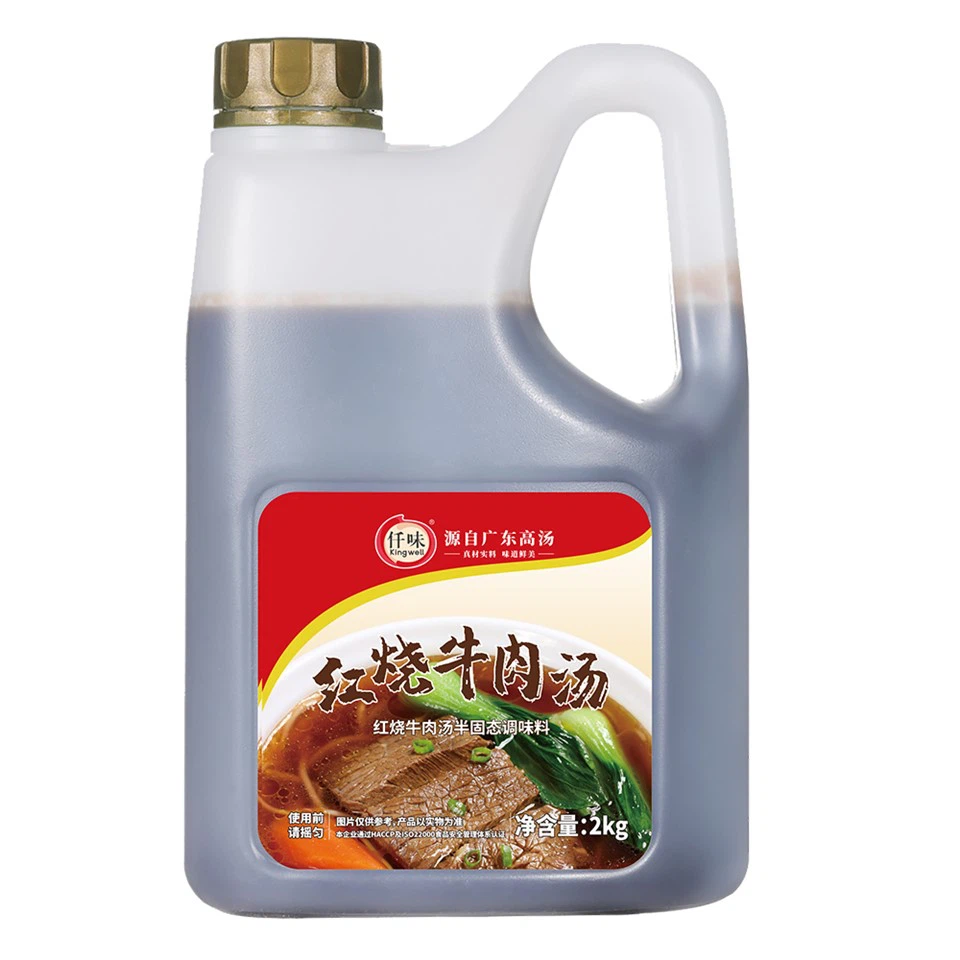
After the simmering process, the liquid is strained to remove any solids. The resulting beef soup base can be further processed. Some of it is dehydrated to create a powder form, which is convenient for storage and transportation. Others are canned or frozen to maintain their freshness.
Applications of Beef Soup Base
Beef soup base has a wide range of applications in the culinary world. It is the foundation for many classic soups, such as Beef Broth Based Soup. A simple beef broth soup can be made by adding water to the base and seasoning it with a little salt and pepper. You can also add other ingredients like noodles, dumplings, or vegetables to make a more substantial meal.
In addition to soups, beef soup base is used in sauces. It can be reduced and thickened to create a rich beef gravy that goes well with roasted meats. It can also be used as a flavor enhancer in stews, casseroles, and even in some marinades. For example, when making a beef stew, adding a bit of beef soup base can significantly enhance the overall flavor of the dish.
Beef Flavored Soup Base is also popular in the food service industry. Restaurants, cafes, and catering companies use it to ensure consistent flavor in their dishes. It saves time and effort compared to making beef broth from scratch every day.
Beef Noodle Soup Base is a specialty product. It is specifically formulated to be the perfect base for beef noodle soups. With its rich and well - balanced flavor, it can be used to create authentic - tasting beef noodle soups that are loved by people all over the world.
Cultural Significance of Beef Soup Base
Beef soup base is not just a culinary ingredient; it also has cultural significance. In many cultures, sharing a bowl of beef soup is a social and family - bonding activity. For example, in the United States, a warm bowl of beef stew is often associated with cold winter days and family gatherings. In Vietnam, pho, a beef noodle soup, is not only a popular street food but also a symbol of national cuisine.
In some cultures, beef soup base is also used for medicinal purposes. The nutrients and minerals extracted from the beef bones and vegetables are believed to have health - promoting properties. For instance, the gelatin in beef soup base is thought to be beneficial for joint health.
Contact Us for Purchase
If you're a restaurant owner, a home cook, or a food distributor looking for high - quality beef soup base, we'd love to hear from you. Our beef soup base is made with the finest ingredients and the latest production techniques to ensure the best flavor and quality. Whether you need a small quantity for your home kitchen or a large order for your business, we can meet your needs. Contact us to start a discussion about your requirements and let's work together to bring delicious beef - flavored dishes to your table.
References
- McGee, Harold. "On Food and Cooking: The Science and Lore of the Kitchen." Scribner, 2004.
- Smith, Andrew F. "The Oxford Companion to American Food and Drink." Oxford University Press, 2007.
- Chang, Eileen Yin - Fei. "The Chinese Kitchen: Recipes, Techniques, and Ingredients from the World's Most Exotic Cuisine." Simon & Schuster, 1988.


