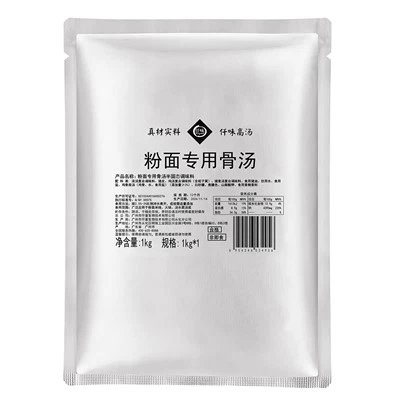
When it comes to the world of culinary delights, few things can match the rich and comforting essence of a well - crafted chicken stock. As a chicken stock supplier, I've delved deep into the science and art of creating the perfect chicken stock, and I'm excited to share with you what truly defines the texture of good chicken stock.
Understanding the Basics of Chicken Stock
Chicken stock is the foundation of countless soups, stews, and sauces. It is made by simmering chicken bones, meat, vegetables, and herbs in water for an extended period. The process of extracting flavors from these ingredients is what gives chicken stock its unique taste and texture.


The texture of chicken stock can vary widely depending on several factors. One of the primary determinants is the ratio of bones to meat in the stock. Bones are rich in collagen, a protein that breaks down during the simmering process to form gelatin. Gelatin is what gives chicken stock its characteristic thickness and body. When you have a higher proportion of bones in the stock, more gelatin is released, resulting in a thicker, more viscous texture.
The Role of Collagen in Chicken Stock Texture
Collagen is a fibrous protein found in the connective tissues of animals, including chickens. When chicken bones are simmered, the heat causes the collagen to denature and break down into gelatin. Gelatin is a soluble protein that dissolves in water and gives the stock its thick, jelly - like consistency when cooled.
The quality of the chicken bones used in the stock also plays a crucial role in the texture. Bones from older chickens tend to have more collagen than those from younger birds. This is because as chickens age, their connective tissues become more developed, and the collagen content increases. Therefore, using bones from older chickens can result in a richer, thicker stock.
Another factor that affects the texture is the length of the simmering time. The longer the stock simmers, the more collagen is broken down into gelatin. However, it's important to find the right balance. Over - simmering can cause the stock to become bitter and lose its delicate flavor. A good rule of thumb is to simmer chicken stock for at least 4 - 6 hours, but no more than 8 - 10 hours to achieve the perfect texture.
The Impact of Vegetables and Herbs on Texture
Vegetables and herbs are not only important for adding flavor to chicken stock but also for influencing its texture. Vegetables such as onions, carrots, and celery release natural sugars and starches during the simmering process. These substances can thicken the stock and give it a more rounded texture.
Herbs like thyme, rosemary, and bay leaves add a depth of flavor to the stock. While they don't directly contribute to the thickness of the stock, they enhance the overall sensory experience. The combination of the flavors from the vegetables and herbs creates a well - balanced and complex taste that complements the texture of the stock.
Different Types of Chicken Stock and Their Textures
There are several types of chicken stock available in the market, each with its own unique texture.
- Base for Chicken Soup: This type of stock is often used as a starting point for making various chicken soups. It typically has a light and clear texture, making it ideal for soups where you want the flavors of the other ingredients to shine through. You can find more information about Base for Chicken Soup.
- Umami Chicken Stock: Umami is the fifth taste, often described as savory and rich. Umami chicken stock has a more intense flavor and a slightly thicker texture compared to a basic chicken stock. It is made by using ingredients that are high in umami, such as mushrooms and soy sauce. You can explore Umami Chicken Stock for more details.
- Chicken Concentrated Stock: As the name suggests, chicken concentrated stock is a highly concentrated form of chicken stock. It has a very thick and intense flavor. This type of stock is often used in small amounts to add a rich, savory kick to dishes. You can learn more about Chicken Concentrated Stock.
The Importance of Texture in Culinary Applications
The texture of chicken stock is not just about how it feels in your mouth; it also has a significant impact on the final outcome of the dishes you make. In soups, a thicker stock can provide a more substantial and comforting base, while a lighter stock can create a more delicate and refreshing soup.
In sauces, the texture of the chicken stock can determine the consistency of the sauce. A thick stock can be used to create a rich, velvety sauce, while a thinner stock can be used for a lighter, more fluid sauce.
Achieving the Perfect Texture in Chicken Stock
As a chicken stock supplier, I have developed a few tips to help you achieve the perfect texture in your chicken stock:
- Choose the right bones: Opt for bones from older chickens or a combination of bones and meat to increase the collagen content.
- Simmer slowly: Simmer the stock over low heat for an extended period to allow the collagen to break down and form gelatin.
- Strain carefully: After simmering, strain the stock through a fine - mesh sieve to remove any impurities and ensure a smooth texture.
- Skim the surface: During the simmering process, skim off any fat and impurities that rise to the surface. This will result in a clearer and more refined texture.
Conclusion
The texture of good chicken stock is a complex interplay of factors, including the type of ingredients used, the simmering time, and the cooking method. A well - crafted chicken stock should have a balanced texture that is neither too thin nor too thick. It should be rich, flavorful, and have a smooth, velvety mouthfeel.
Whether you're a professional chef or a home cook, the right chicken stock can elevate your dishes to new heights. As a chicken stock supplier, I'm committed to providing high - quality chicken stock that meets the highest standards of texture and flavor.
If you're interested in learning more about our chicken stock products or would like to discuss a potential purchase, we'd love to hear from you. Contact us to start a conversation about how our chicken stock can enhance your culinary creations.
References
- McGee, H. (2004). On Food and Cooking: The Science and Lore of the Kitchen. Scribner.
- Ruhlman, M., & Polcyn, B. (2009). Charcuterie: The Craft of Salting, Smoking, and Curing. W. W. Norton & Company.