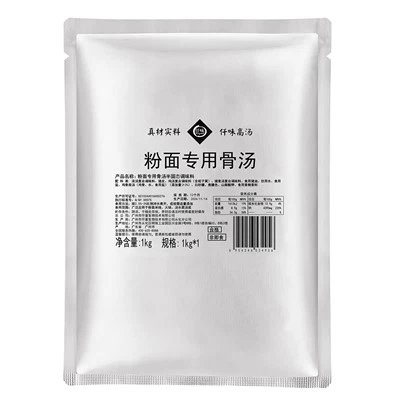
When it comes to crafting the perfect pork ramen, the stock forms the very foundation of this beloved Japanese dish. As a dedicated supplier of Pork Ramen Stock, I've delved deep into the art and science of creating exceptional pork ramen stocks. One of the most debated topics in the world of ramen is the difference between slow - cooked and fast - cooked pork ramen stocks. In this blog, I'll explore the nuances of each method, from the ingredients and cooking processes to the final flavor profiles and how they can impact your ramen experience.
Ingredients and Preparation
The ingredients for both slow - cooked and fast - cooked pork ramen stocks are quite similar. They typically include pork bones, such as pork neck bones, pork shoulder bones, and sometimes pork trotters. These bones are rich in collagen, which breaks down during the cooking process to give the stock its characteristic creamy and gelatinous texture. Other common ingredients may include onions, garlic, ginger, scallions, and sometimes dried mushrooms or kombu for added umami.


For slow - cooked stocks, the preparation is often more meticulous. The bones are usually roasted first to develop a rich, caramelized flavor. This roasting step can take anywhere from 30 minutes to an hour, depending on the quantity of bones. After roasting, the bones are placed in a large pot with cold water, along with the other ingredients. The water is slowly brought to a boil, and then the heat is reduced to a gentle simmer. This slow cooking process allows the flavors to meld together gradually and the collagen to break down fully.
On the other hand, fast - cooked stocks may skip the roasting step. The bones are simply placed in a pot with water and the other ingredients, and the heat is turned up high to bring the water to a boil quickly. This method is more about speed and efficiency, aiming to extract as much flavor as possible in a shorter period of time.
Cooking Processes
The cooking time is the most significant difference between slow - cooked and fast - cooked pork ramen stocks. Slow - cooked stocks can take anywhere from 8 to 24 hours, or even longer in some traditional ramen shops. The long cooking time allows the collagen in the bones to break down completely, resulting in a thick, rich, and creamy stock. During this slow simmering process, the stock needs to be monitored closely, and the surface skimmed regularly to remove any impurities or scum that rise to the top.
Fast - cooked stocks, in contrast, are typically ready in 1 to 3 hours. The high heat helps to extract the flavors from the bones and other ingredients quickly. However, because the cooking time is so short, the collagen doesn't have as much time to break down. As a result, the stock may be thinner and less gelatinous compared to a slow - cooked stock. Some fast - cooking methods may also use pressure cookers to speed up the process even further. Pressure cookers can reduce the cooking time to as little as 30 minutes to an hour, as the high pressure helps to break down the bones and release the flavors more rapidly.
Flavor Profiles
The flavor of a slow - cooked pork ramen stock is complex, deep, and intense. The long cooking time allows the flavors to develop and intensify, creating a rich umami taste that lingers on the palate. The stock has a creamy, almost buttery texture, thanks to the high collagen content. The roasted bones also add a subtle smoky and caramelized flavor that enhances the overall taste of the stock. Slow - cooked stocks often have a well - rounded flavor that can stand up to bold toppings and seasonings in a ramen bowl.
Fast - cooked stocks, while still flavorful, have a lighter and more straightforward taste. The flavors are more fresh and immediate, with a cleaner and crisper profile. The stock may have a slightly more pronounced meaty flavor, as the short cooking time doesn't allow for the development of the more complex, caramelized flavors. Fast - cooked stocks are often preferred for those who like a lighter, more refreshing ramen experience or for ramen styles that focus on the freshness of the ingredients.
Applications in Ramen
Slow - cooked pork ramen stocks are commonly used in tonkotsu ramen, a popular style of ramen known for its thick, milky - white stock. Tonkotsu ramen is often topped with chashu pork, soft - boiled eggs, bamboo shoots, and scallions. The rich, creamy stock pairs perfectly with these hearty toppings, creating a satisfying and indulgent meal. The high collagen content also makes the stock ideal for clinging to the noodles, coating them with flavor.
Fast - cooked stocks are more versatile and can be used in a variety of ramen styles. They are well - suited for shoyu (soy sauce) ramen, where the lighter stock allows the soy sauce and other seasonings to shine through. Fast - cooked stocks can also be used in miso ramen, adding a meaty base to the savory miso flavor. Additionally, they can be used in more contemporary or fusion ramen styles that incorporate lighter ingredients or unique flavor combinations.
Other Considerations
In terms of cost and efficiency, fast - cooked stocks are generally more cost - effective and time - saving. They require less energy and less time in the kitchen, making them a practical choice for home cooks or restaurants with high - volume demands. Slow - cooked stocks, on the other hand, require more time, effort, and resources. However, they are often considered to be of higher quality and can command a premium price in the market.
Another factor to consider is the shelf life. Slow - cooked stocks, with their high collagen content, tend to have a longer shelf life when refrigerated or frozen. The collagen acts as a natural preservative, helping to keep the stock fresh for a longer period of time. Fast - cooked stocks may have a slightly shorter shelf life, but they can still be stored in the refrigerator for a few days or frozen for several months.
As a Pork Ramen Stock supplier, I understand the importance of providing high - quality stocks that meet the diverse needs of our customers. Whether you're a home cook looking for a quick and easy option or a professional chef seeking a rich and complex flavor, we have the right stock for you. We also offer Chicken and Pork Broth and Soup Base for Pork Bone Hot Pot, which are perfect for adding variety to your menu.
If you're interested in learning more about our products or would like to discuss a potential partnership, I encourage you to reach out. We're always happy to work with restaurants, cafes, and other food businesses to provide the best possible ingredients for their dishes. Whether you prefer the slow - cooked, rich flavor or the fast - cooked, fresh taste, we can help you create the perfect pork ramen stock for your customers.
References
- "The Science of Cooking: Understanding the Biology and Chemistry Behind Food and Cooking" by Harold McGee
- "Ramen: A Global History" by Greg de Gruy
- Various industry research reports on ramen and soup stock production.