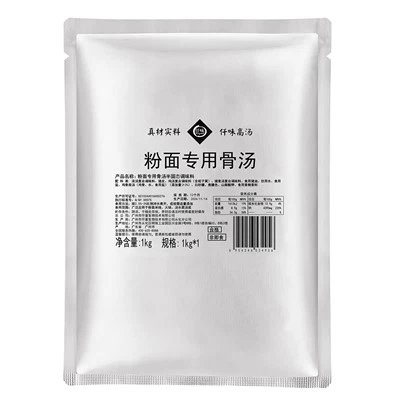
Hey there! As a supplier of liquid beef stock, I often get asked if liquid beef stock is the same as beef gravy. It's a common question, and today, I'm gonna break it down for you.
Let's start with the basics. Liquid beef stock is made by simmering beef bones, meat, vegetables, and herbs in water for an extended period. This slow - cooking process extracts the flavors, nutrients, and gelatin from the bones and meat, resulting in a rich, savory liquid. It's like capturing the essence of beef in a pot.
On the other hand, beef gravy is typically made by thickening a liquid, often beef stock itself, with a roux (a mixture of flour and fat) or other thickening agents like cornstarch. Gravy also usually has additional seasonings and might include drippings from cooked beef. It's designed to be thicker and is commonly served as a topping for meats, mashed potatoes, or other dishes.
Ingredients and Preparation
The ingredients for liquid beef stock are pretty straightforward. You've got your beef bones, which are the star of the show. They bring in that deep, meaty flavor and the gelatin that gives the stock a bit of body. Alongside the bones, we add beef meat trimmings, which add even more flavor. Vegetables like onions, carrots, and celery are also essential. They provide a sweet and earthy undertone to the stock. And let's not forget the herbs – thyme, rosemary, and bay leaves are my go - to for that aromatic touch.
We simmer all these ingredients in water for several hours, sometimes up to 8 or 10 hours. This long cooking time allows all the flavors to meld together and the nutrients to be released into the water. Once it's done, we strain the stock to remove the solids, leaving us with a clear, flavorful liquid.
Now, beef gravy has a different preparation process. As I mentioned, it usually starts with beef stock. We take the stock and add a roux to it. The roux is made by cooking equal parts of flour and fat (usually butter) over low heat until it forms a smooth paste. This paste is then whisked into the beef stock. As the mixture cooks, the flour in the roux thickens the liquid, creating that lovely, velvety texture that we associate with gravy.
We also add things like salt, pepper, and sometimes a splash of soy sauce or Worcestershire sauce for extra flavor. If we're making gravy from a roast, we'll use the drippings from the pan. These drippings add a concentrated, meaty flavor that can't be replicated.
Texture and Consistency
One of the most obvious differences between liquid beef stock and beef gravy is the texture. Liquid beef stock is thin and pourable. It has a light, refreshing quality to it. You can use it as a base for soups, stews, or even as a simple beverage on its own. It's great for sipping when you're feeling under the weather or just want a warm, comforting drink.
Beef gravy, on the other hand, is thick and viscous. It clings to your food, coating it with a rich, savory layer. When you pour gravy over a plate of mashed potatoes, it doesn't run off like stock would. Instead, it stays put, creating a delicious, indulgent experience.
Flavor Profile
Liquid beef stock has a clean, pure beef flavor. It's the essence of beef, with the subtle flavors of the vegetables and herbs shining through. It's not overly salty or spicy, which makes it a versatile ingredient. You can use it in a wide variety of dishes, from light chicken and vegetable soups to hearty beef stews.
Beef gravy, however, has a more complex and intense flavor. The addition of the roux gives it a slightly nutty undertone, and the extra seasonings like salt, pepper, and sauces add depth and complexity. It's a bold flavor that stands up well to rich, fatty meats like roast beef or pork.
Uses in Cooking
Liquid beef stock is a kitchen staple. It's the foundation for so many dishes. You can use it to make soups like Condensed Beef Consomme. This type of soup is light and clear, perfect for an appetizer or a light meal. You can also use it to make Beef Noodle Soup Base. The stock gives the soup a rich, meaty flavor that goes great with noodles and vegetables.
In addition to soups, liquid beef stock is excellent for cooking grains like rice or quinoa. It adds a depth of flavor to the grains that plain water just can't match. You can also use it to deglaze a pan after cooking meat. Pouring a bit of stock into the hot pan helps to loosen up all the flavorful bits stuck to the bottom, creating a delicious sauce.
Beef gravy, on the other hand, is mainly used as a topping. It's the perfect companion for roast beef. A generous ladle of gravy over a slice of tender roast beef is a classic combination that never gets old. It's also great on mashed potatoes, adding a rich, savory element to the creamy spuds. And if you're having a turkey dinner, beef gravy can be a delicious alternative to traditional turkey gravy.
Nutritional Value
Liquid beef stock is packed with nutrients. The beef bones are a great source of calcium, magnesium, and phosphorus. These minerals are essential for strong bones and teeth. The gelatin in the stock is also beneficial for joint health. It helps to lubricate the joints and reduce inflammation.


The vegetables in the stock provide vitamins and antioxidants. Onions are rich in vitamin C and antioxidants that help boost the immune system. Carrots are high in beta - carotene, which is converted into vitamin A in the body. This vitamin is important for vision and skin health.
Beef gravy, while still flavorful, is higher in calories and fat due to the addition of the roux. The butter in the roux is a source of saturated fat, so it should be consumed in moderation. However, it still contains some of the nutrients from the beef stock, like the minerals and vitamins from the bones and vegetables.
Our Liquid Beef Stock
As a supplier of liquid beef stock, I take pride in the quality of our product. We use only the highest - quality beef bones and meat trimmings. Our vegetables are fresh and locally sourced whenever possible. This ensures that our stock has the best flavor and nutritional value.
We follow a strict cooking process to make sure that every batch of stock is consistent. Our long - simmering method extracts all the flavors and nutrients from the ingredients, resulting in a stock that is rich, flavorful, and healthy.
If you're in the food business, whether it's a restaurant, a catering service, or a food manufacturer, our liquid beef stock can be a game - changer for your dishes. It can save you time and money on making your own stock from scratch, and it guarantees a high - quality, delicious base for all your recipes.
Contact Us
If you're interested in learning more about our liquid beef stock or want to place an order, don't hesitate to reach out. We're always happy to answer any questions you might have and discuss how our product can fit into your business. Whether you're looking for a reliable source of liquid beef stock for your soups, stews, or gravies, we've got you covered.
References
- "The Art of Stock Making" by Mark Bittman
- "Cooking for Beginners: Beef Stock and Gravy" by Jamie Oliver
So, there you have it. Liquid beef stock and beef gravy are not the same, but they both have their place in the kitchen. I hope this blog has helped you understand the differences between the two and how they can be used in your cooking.