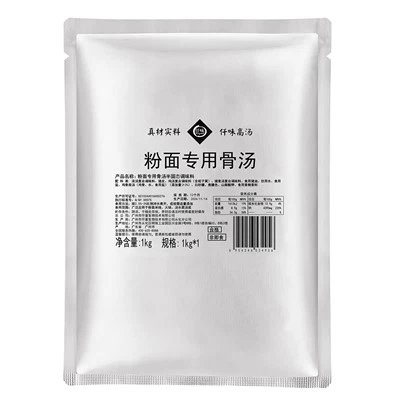
As a seasoned pork stock supplier, I often get asked a crucial question in the culinary world: "Is it okay to use old pork for making stock?" This query isn't just a passing thought but a significant concern for chefs, home cooks, and food enthusiasts alike. In this blog, I'll delve deep into this topic, exploring the scientific, culinary, and safety aspects of using old pork in stock-making.
Understanding the Concept of "Old Pork"
First, let's clarify what we mean by "old pork." In the meat industry, "old" can refer to two different scenarios. One is meat that has been stored for an extended period under proper refrigeration or freezing conditions. The other is meat that has started to spoil due to improper storage or has passed its recommended shelf - life.
When pork is stored correctly, such as being kept at a consistent low temperature in a freezer, it can remain safe for consumption for an extended period. Freezing halts the growth of most bacteria and other microorganisms that cause spoilage. However, the quality of the meat may gradually decline over time. The texture can become drier, and the flavor may become less intense.
On the other hand, spoiled pork is a different story. Spoiled meat is characterized by a foul odor, a slimy texture, and sometimes a change in color. Using spoiled pork for making stock is a definite no - no as it can introduce harmful bacteria and toxins into the stock, posing a serious health risk.
The Science Behind Stock - Making
Stock is essentially a flavorful liquid obtained by simmering bones, meat, vegetables, and herbs in water. The process of making stock involves extracting collagen, gelatin, and other flavor compounds from the ingredients. Collagen, a protein found in the connective tissues of animals, breaks down into gelatin during the long - simmering process. Gelatin gives the stock its characteristic richness and body.
When using old pork that has been properly stored, the collagen and other flavor - giving components are still present. However, the breakdown process might be slightly different compared to using fresh pork. Over time, the structure of the meat's proteins can change, which may affect how easily the collagen is released into the stock.
Flavor and Quality Considerations
The flavor of the stock is a primary concern for many chefs and consumers. Fresh pork generally imparts a bright, clean flavor to the stock. It has a natural sweetness and a rich umami taste that is highly desirable in culinary applications.
Old pork, especially if it has been frozen for a long time, may have a more muted flavor. The freezer can cause some of the volatile flavor compounds in the meat to evaporate or change. However, this doesn't mean that the stock made from old pork will be bad. In fact, with the right combination of other ingredients such as aromatic vegetables (onions, carrots, celery), herbs (thyme, bay leaves), and spices, the stock can still be quite flavorful.
The quality of the stock also depends on the cooking method. A slow, gentle simmer is ideal for extracting the maximum flavor from the ingredients. When using old pork, a slightly longer simmering time may be required to break down the connective tissues and release the flavor compounds.
Safety Concerns
Safety is of utmost importance when it comes to food. As mentioned earlier, using spoiled pork for making stock is extremely dangerous. Bacteria such as Salmonella, E. coli, and Listeria can grow on spoiled meat and can cause foodborne illnesses. These bacteria can survive the stock - making process, especially if the stock is not cooked at a high enough temperature for a sufficient amount of time.
To ensure the safety of the stock, it's essential to check the quality of the pork before using it. If the pork has a bad smell, a slimy texture, or an off - color, it should be discarded. Additionally, the stock should be cooked at a temperature of at least 165°F (74°C) to kill any potential bacteria.
Culinary Applications of Pork Stock
Pork stock is a versatile ingredient in the kitchen. It can be used as a base for soups, stews, sauces, and gravies. Our company offers a range of pork stock products, such as Pork Bone Soup Base, Soup Base for Pork Bone Hot Pot, and Pork Broth Soup.


Whether you're a professional chef looking to create a delicious pork - based dish or a home cook wanting to add some depth of flavor to your meals, pork stock is an excellent choice. When using old pork for making stock, you can still achieve a high - quality product that can be used in various culinary applications. However, it's important to be aware of the potential differences in flavor and quality.
Making the Decision
So, is it okay to use old pork for making stock? The answer is yes, but with some caveats. If the old pork has been properly stored and is not spoiled, it can be used to make a decent stock. However, you may need to adjust the cooking time and add more flavorful vegetables and herbs to enhance the taste.
If you're unsure about the quality of the old pork, it's better to err on the side of caution and use fresh meat. At our company, we take great care in sourcing and storing our pork to ensure the highest quality of our stock products. We understand the importance of flavor, safety, and consistency in the culinary world.
Contact for Procurement
If you're interested in purchasing our high - quality pork stock products, we encourage you to reach out to us for procurement discussions. We offer a wide range of options to meet the diverse needs of our customers, whether you're a small restaurant or a large catering business. Our team of experts is ready to assist you in finding the perfect pork stock solution for your culinary needs.
References
- "The Science of Cooking" by Peter Barham
- "On Food and Cooking: The Science and Lore of the Kitchen" by Harold McGee
- USDA Food Safety and Inspection Service guidelines on meat storage and safety.