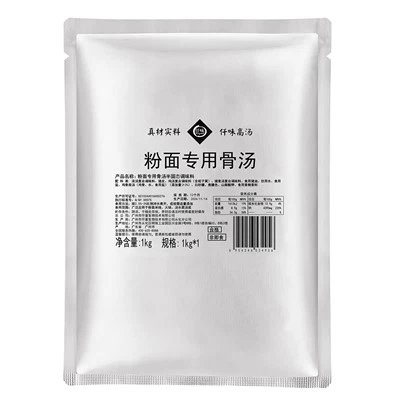
Tangy beef soup base is a versatile and delicious ingredient that can elevate your soups, stews, and noodle dishes to a whole new level. As a leading Beef Soup Base supplier, I'm excited to share with you the secrets of making a tangy beef soup base that will tantalize your taste buds.
Ingredients Selection
The first step in making a tangy beef soup base is to select high - quality ingredients. For the beef, choose cuts like beef shanks, beef bones, or beef brisket. These cuts are rich in flavor and collagen, which will give your soup base a thick and savory consistency. The collagen breaks down during the long - simmering process, adding a luxurious mouthfeel to the soup.
When it comes to vegetables, onions, carrots, and celery are the classic trio. Onions bring a sweet and pungent flavor, carrots add natural sweetness and a pop of color, while celery contributes a subtle, earthy note. You can also add some garlic cloves for an extra layer of flavor. Garlic has antibacterial properties and can enhance the overall taste of the soup base.
To achieve that tangy flavor, you'll need acidic ingredients. Tomatoes are a great choice. Fresh tomatoes can be used, but canned tomatoes work just as well and are more convenient. They add a rich, tangy, and slightly sweet flavor. Another option is to use lemon juice or vinegar. A splash of white wine vinegar or apple cider vinegar can give the soup base a bright, acidic kick.
Preparation of Ingredients
Start by cutting the beef into large pieces. This allows the flavor to be released more effectively during cooking. For the vegetables, chop the onions, carrots, and celery into medium - sized chunks. If using fresh tomatoes, blanch them in boiling water for a few seconds and then peel the skin off. This makes them easier to break down during the cooking process.
The Cooking Process
- Browning the Beef
Preheat your large pot or Dutch oven over medium - high heat. Add a little bit of oil to the pot. Once the oil is hot, add the beef pieces in batches. Do not overcrowd the pot, as this will prevent the beef from browning properly. Brown the beef on all sides until it develops a nice, golden - brown crust. Browning the beef is crucial as it creates a Maillard reaction, which adds depth and complexity to the flavor of the soup base. - Sautéing the Vegetables
After browning the beef, remove it from the pot and set it aside. Add the chopped onions to the pot and sauté them until they become translucent. Then add the carrots and celery and continue to sauté for a few more minutes until they start to soften. This process releases the natural sugars in the vegetables and enhances their flavor. - Deglazing the Pot
Pour a small amount of water or beef broth into the pot and use a wooden spoon to scrape up all the browned bits at the bottom of the pot. These bits are full of flavor and are known as “fond”. Deglazing the pot is an important step as it incorporates all the delicious flavors from the browning process back into the soup base. - Adding the Ingredients and Simmering
Put the browned beef back into the pot. Add the canned or fresh tomatoes, along with their juices. Pour in enough water to cover all the ingredients. You can also add some beef broth for an extra boost of flavor. If you want to use our Liquid Beef Stock, it will bring an intense beefy flavor to the soup base.
Add a splash of lemon juice or vinegar, and season with salt, pepper, and any other herbs or spices you like. Bay leaves, thyme, and rosemary are great choices. They add a fragrant and earthy note to the soup base.
Bring the mixture to a boil over high heat, then reduce the heat to low and let it simmer gently. Cover the pot and let it cook for at least 2 - 3 hours, or even longer if possible. The longer you simmer, the more flavorful and rich the soup base will become. Stir occasionally to prevent the ingredients from sticking to the bottom of the pot.
Straining and Refining the Soup Base
After the soup base has simmered for the desired time, remove it from the heat. Let it cool slightly, then strain the soup base through a fine - mesh sieve into a large bowl. This removes all the solids, leaving you with a smooth and clear soup base.

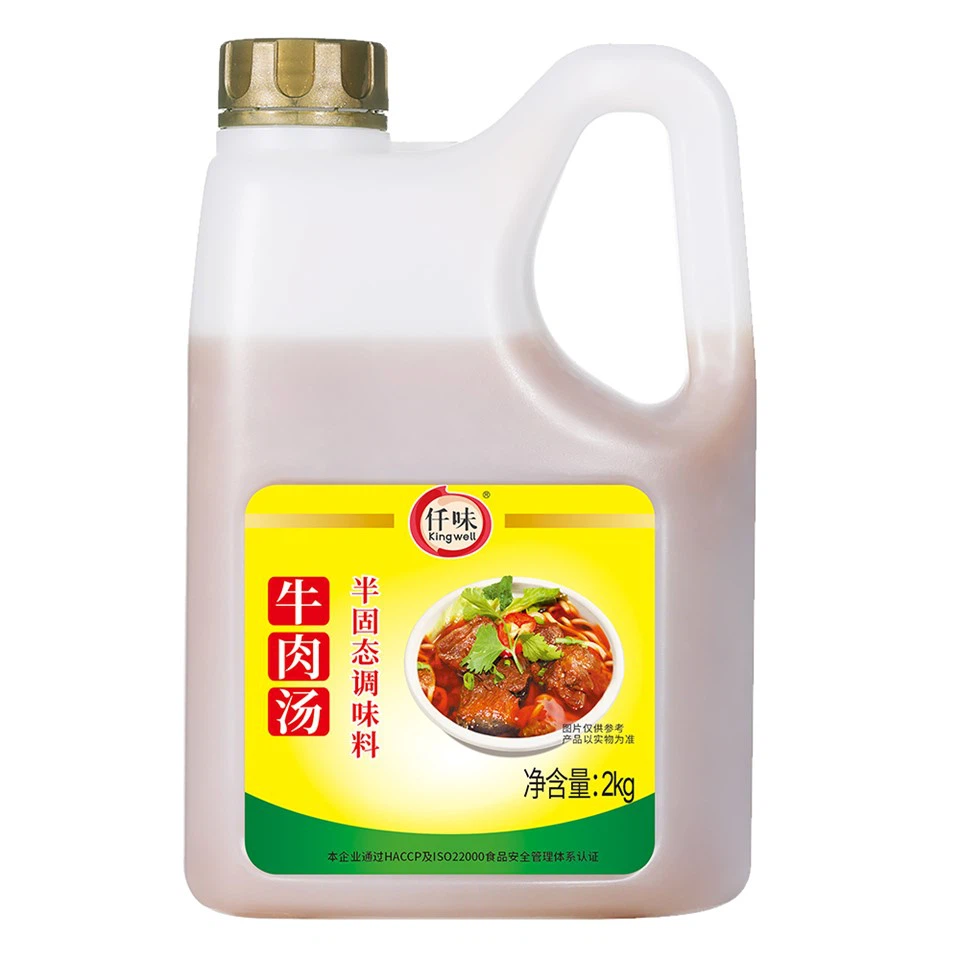
You can further refine the soup base by skimming off any fat that rises to the surface. This makes the soup base healthier and gives it a cleaner taste.
Using the Tangy Beef Soup Base
Now that you have your tangy beef soup base ready, the possibilities are endless. You can use it as a base for Beef Noodle Soup Base. Simply add cooked noodles, some sliced beef, and your favorite vegetables to the soup base, and you have a delicious and hearty beef noodle soup.
It can also be used to make Beef Broth Based Soup. You can add other ingredients like mushrooms, spinach, or corn to create a unique and flavorful soup.
Storing the Soup Base
If you don't plan to use the soup base immediately, it can be stored in the refrigerator for up to 3 - 4 days. For longer storage, you can freeze it in air - tight containers or ice cube trays. When frozen, the soup base can last for up to 3 - 4 months.
Why Choose Our Beef Soup Base
As a Beef Soup Base supplier, we take pride in providing high - quality products. Our beef soup base is made from the finest ingredients, carefully selected and prepared. We follow strict quality control measures to ensure that every batch of our soup base meets the highest standards.
Our tangy beef soup base is not only delicious but also convenient. It saves you the time and effort of making the soup base from scratch. Whether you're a professional chef in a restaurant or a home cook looking to impress your family and friends, our beef soup base is the perfect choice.
Contact Us for Purchase
If you're interested in purchasing our tangy beef soup base, we'd love to hear from you. We offer competitive prices and flexible ordering options. Whether you need a small quantity for your home kitchen or a large quantity for your business, we can accommodate your needs. Please reach out to us to start a discussion about your requirements.
References
- McGee, Harold. On Food and Cooking: The Science and Lore of the Kitchen. Scribner, 2004.
- Ruhlman, Michael, and Brian Polcyn. Charcuterie: The Craft of Salting, Smoking, and Curing. W. W. Norton & Company, 2005.