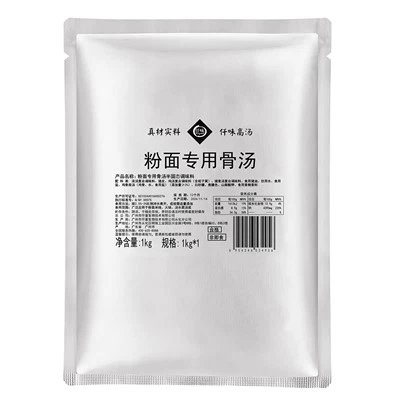
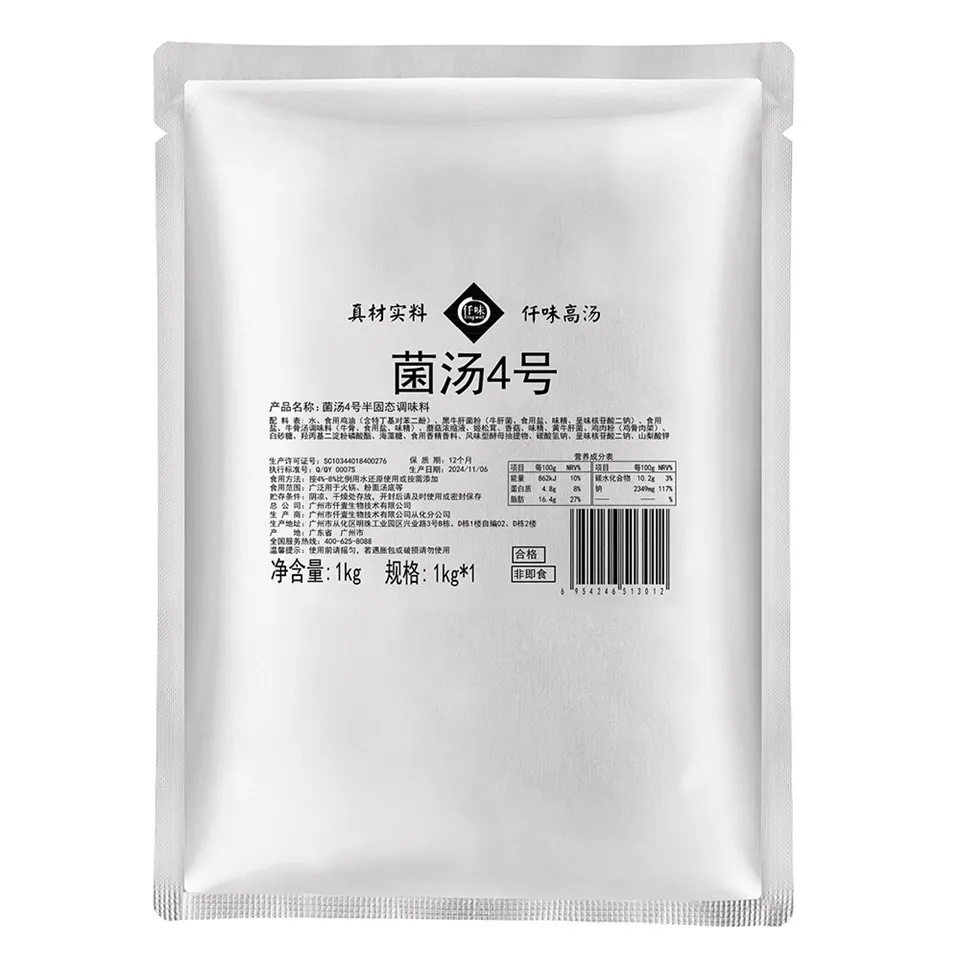
Hey there! As a supplier of Mushroom Soup Base, I've had my fair share of experiences with making the perfect thick and creamy mushroom soup base. It's not always as straightforward as you might think, but with the right techniques and ingredients, you can achieve that rich, velvety texture that everyone loves. In this blog post, I'm going to share some of the methods I use to thicken mushroom soup base, so you can elevate your soups to the next level.
Why Thicken Mushroom Soup Base?
Before we dive into the thickening methods, let's talk about why you might want to thicken your mushroom soup base in the first place. A thick soup base has several advantages. First of all, it has a more luxurious and indulgent mouthfeel. It coats your tongue and lingers on your palate, making each spoonful a more satisfying experience. Thick soup also tends to hold its shape better, which is great if you're serving it as a starter or as part of a multi - course meal.
Another reason to thicken your soup base is that it can enhance the flavor. When you thicken the soup, you're essentially concentrating the flavors, making them more intense. This is especially important for mushroom soup, as mushrooms have a deep, earthy flavor that can be really brought out by a thick, rich base.
Methods to Thicken Mushroom Soup Base
1. Using Flour or Cornstarch
One of the most common ways to thicken soup is by using flour or cornstarch. These are both pantry staples that can be easily found in most kitchens.

How to Use Flour:
- Start by making a roux. In a small saucepan, melt some butter over medium heat. Once the butter is melted, add an equal amount of flour. For example, if you use 2 tablespoons of butter, add 2 tablespoons of flour.
- Whisk the flour and butter together constantly to prevent lumps from forming. Cook the roux for about 2 - 3 minutes, until it turns a light golden color. This will cook out the raw flour taste.
- Slowly pour the roux into your mushroom soup base, whisking constantly. The soup will start to thicken as it heats up. Keep whisking until you reach your desired consistency.
How to Use Cornstarch:

- Make a slurry by mixing cornstarch with a small amount of cold water. A good ratio is 1 tablespoon of cornstarch to 2 tablespoons of water.
- Pour the slurry into your hot mushroom soup base, whisking vigorously. The soup will thicken quickly, so be careful not to over - thicken it. You can always add more slurry if needed.
Flour and cornstarch are great because they're inexpensive and easy to use. However, they can sometimes give the soup a slightly starchy taste if not cooked properly.
2. Pureeing Mushrooms
Since we're making a mushroom soup base, it makes sense to use mushrooms themselves to thicken the soup. This method not only thickens the soup but also adds a more intense mushroom flavor.
- After sautéing your mushrooms in the beginning, set aside a portion of them. Once the soup has simmered for a while, use an immersion blender or a regular blender to puree the reserved mushrooms.
- Pour the pureed mushrooms back into the soup base and stir well. The natural starches and fibers in the mushrooms will help thicken the soup. This method gives the soup a more rustic and natural texture.
3. Adding Cream or Dairy Products
Cream and other dairy products like milk or yogurt can also be used to thicken mushroom soup base. They add a rich, creamy texture and a smooth flavor.
- If you're using heavy cream, simply pour it into the soup base towards the end of the cooking process. Stir gently to incorporate the cream. Start with a small amount and add more if needed.
- You can also use milk or half - and - half for a lighter option. Just keep in mind that milk may curdle if boiled, so heat it gently and don't let it come to a full boil.
- Greek yogurt can be a healthy alternative. Stir in a small amount of Greek yogurt at the end of cooking, but be careful not to overheat it, as it can also curdle.
Using dairy products not only thickens the soup but also gives it a luxurious and comforting taste. However, if you're catering to a dairy - free audience, this method won't work.
4. Using Vegetable or Mushroom Purees
In addition to mushroom puree, you can also use other vegetable purees to thicken the soup base. For example, carrots, potatoes, or sweet potatoes can be cooked and pureed and then added to the soup.
- Cut the vegetables into small pieces and boil them until they're tender. Drain the water and then puree the vegetables using a blender or food processor.
- Add the vegetable puree to the mushroom soup base and stir well. The puree will thicken the soup and also add a subtle sweetness and additional nutrients.
Tips for Thicken Mushroom Soup Base
- Start Slow: When thickening your soup base, it's always better to start with a small amount of thickening agent and then add more if needed. It's easier to add more than to thin out an over - thickened soup.
- Whisk Continuously: Whether you're adding a roux, slurry, or puree, make sure to whisk continuously to prevent lumps from forming.
- Adjust the Seasoning: Once you've thickened the soup, taste it and adjust the seasoning if necessary. Sometimes, thickening the soup can change the flavor balance, so you may need to add a little more salt, pepper, or other seasonings.
Conclusion
Thickening mushroom soup base is an art that can greatly enhance the taste and texture of your soups. Whether you choose to use flour, cornstarch, mushroom puree, dairy products, or vegetable purees, each method has its own unique benefits. Experiment with different techniques to find the one that works best for you and your customers.
If you're in the market for high - quality Mushroom Soup Base, Umami Mushroom Broth, or Concentrated Mushroom Stock, I'd love to talk to you. Contact me to discuss your needs and start a great partnership in creating delicious mushroom - based soups.
References
- "The Joy of Cooking" by Irma S. Rombauer, Marion Rombauer Becker, and Ethan Becker
- "Cook's Illustrated" magazine issues on soup recipes