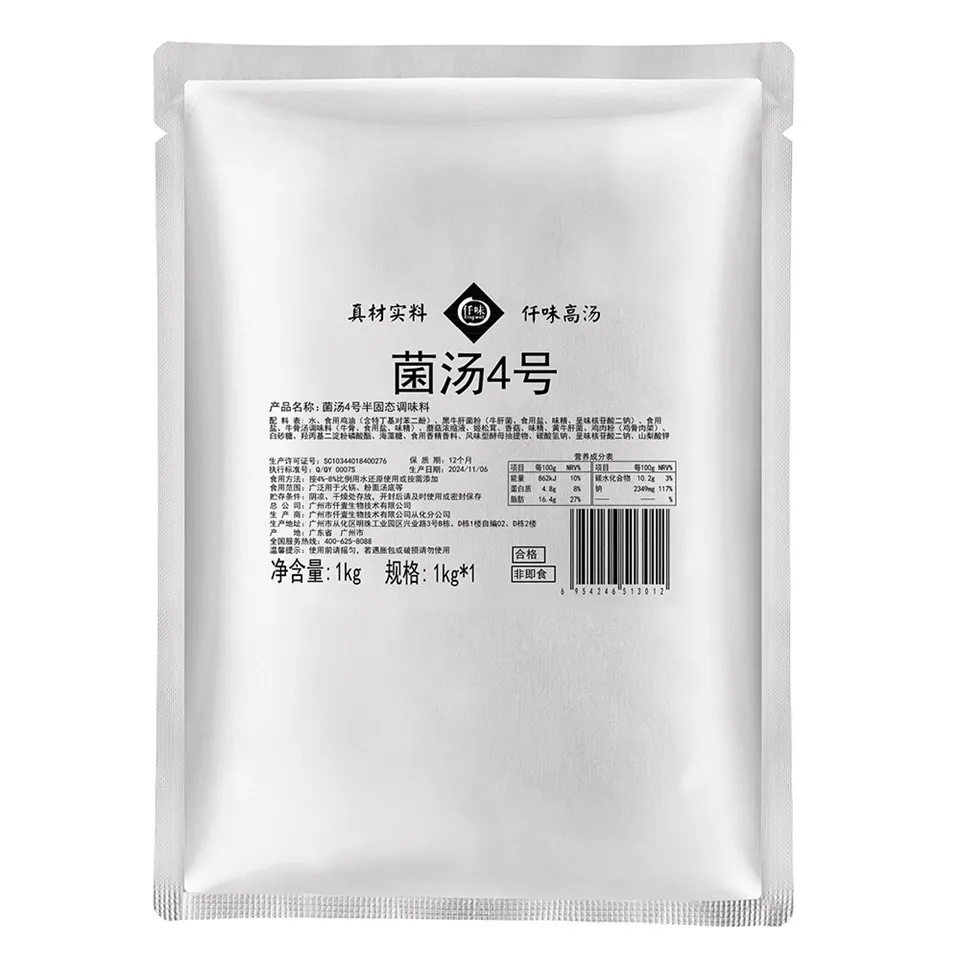
As a supplier of mushroom stock, I often encounter questions from our customers about the best practices for using and preparing our products. One of the most frequently asked questions is whether mushroom stock needs to be strained. In this blog post, I'll delve into this topic, exploring the reasons for and against straining mushroom stock, and provide some insights to help you make the best decision for your culinary needs.
The Case for Straining Mushroom Stock
1. Texture and Consistency
One of the primary reasons for straining mushroom stock is to achieve a smooth and consistent texture. When you simmer mushrooms, vegetables, and other ingredients to make stock, small particles and solids can break off and end up in the liquid. These particles can give the stock a cloudy appearance and a slightly gritty texture. Straining the stock through a fine-mesh sieve or cheesecloth removes these solids, resulting in a clear, velvety liquid that is more visually appealing and pleasant to drink.
For example, if you're using mushroom stock as a base for a delicate soup or a sauce, straining it can prevent any unwanted bits from detracting from the overall texture of the dish. A smooth stock will also blend more easily with other ingredients, ensuring a homogeneous flavor profile.
2. Clarity and Presentation
In addition to texture, straining mushroom stock can enhance its clarity, which is especially important for dishes where presentation matters. A clear stock can make a soup or broth look more professional and appetizing, adding to the overall aesthetic appeal of the meal. Whether you're serving a simple mushroom soup or a more elaborate dish, a clear stock can elevate the visual impact of the presentation.
3. Avoiding Allergens and Irritants
Another reason to strain mushroom stock is to remove any potential allergens or irritants. Some people may be sensitive to the small particles or fibers in mushrooms, and straining the stock can help reduce the risk of an allergic reaction. Additionally, if you're using ingredients like onions or garlic in your stock, straining can remove any bits that may cause digestive discomfort for some individuals.
The Case Against Straining Mushroom Stock
1. Flavor and Nutritional Value
While straining mushroom stock can improve its texture and clarity, it also has the potential to remove some of the flavor and nutritional value. The solids in the stock contain concentrated flavors and nutrients that are released during the simmering process. By straining the stock, you may be discarding some of these valuable components, resulting in a less flavorful and nutritious final product.
For instance, the mushroom pieces in the stock contain umami compounds, which are responsible for the rich, savory flavor that is characteristic of mushrooms. Leaving these pieces in the stock can enhance the overall flavor profile and provide a more robust taste experience. Additionally, the vegetables and herbs used in the stock contain vitamins, minerals, and antioxidants that are beneficial for health. Straining the stock may remove some of these nutrients, reducing its nutritional value.

2. Culinary Creativity
Not straining mushroom stock can also open up new possibilities for culinary creativity. The solids in the stock can add interesting textures and flavors to your dishes, allowing you to experiment with different cooking techniques and recipes. For example, you can use the unstrained stock as a base for a chunky mushroom soup or a stew, where the pieces of mushrooms and vegetables add a rustic and hearty element to the dish.
You can also use the solids in the stock to make other products, such as mushroom puree or mushroom-infused oil. These products can be used as flavor enhancers in a variety of dishes, adding a unique and intense mushroom flavor.
Our Recommendations
At our company, we understand that the decision to strain mushroom stock ultimately depends on your personal preferences and the specific culinary application. That's why we offer a range of mushroom stock products to suit different needs, including Concentrated Mushroom Stock, Umami Mushroom Broth, and Mushroom Bone Broth.
If you prefer a smooth and clear stock, we recommend straining our products using a fine-mesh sieve or cheesecloth. This will remove any solids and result in a velvety liquid that is perfect for delicate soups, sauces, and other dishes where texture and presentation are important.
On the other hand, if you're looking for a more robust and flavorful stock, we suggest using our unstrained products or leaving the solids in the stock. This will add a rich and complex flavor to your dishes and allow you to enjoy the full nutritional benefits of the mushrooms and other ingredients.
How to Strain Mushroom Stock
If you decide to strain your mushroom stock, here's a simple step-by-step guide to help you achieve the best results:
- Prepare Your Equipment: You'll need a fine-mesh sieve or cheesecloth, a large bowl or pot, and a ladle or spoon.
- Let the Stock Cool: Allow the mushroom stock to cool slightly before straining. This will make it easier to handle and prevent any hot liquid from splashing.
- Set Up the Sieve: Place the fine-mesh sieve or cheesecloth over the large bowl or pot. If you're using cheesecloth, make sure it's large enough to cover the sieve and has enough room to hold the stock.
- Strain the Stock: Slowly pour the mushroom stock into the sieve, using a ladle or spoon to help guide the liquid through the mesh. Be careful not to overfill the sieve, as this can cause the stock to spill over the sides.
- Press the Solids: Once all the liquid has passed through the sieve, use a spoon or spatula to press down on the solids to extract any remaining liquid. This will help you get the most out of your stock and ensure that you're not wasting any flavor.
- Discard the Solids: After pressing the solids, discard them in the compost or trash.
- Store the Strained Stock: Transfer the strained mushroom stock to a clean container and store it in the refrigerator or freezer until you're ready to use it.
Conclusion
In conclusion, the question of whether mushroom stock needs to be strained is a matter of personal preference and culinary application. Straining the stock can improve its texture, clarity, and reduce the risk of allergens, but it may also remove some of the flavor and nutritional value. On the other hand, leaving the solids in the stock can add a rich and complex flavor to your dishes and allow you to experiment with different cooking techniques.
At our company, we offer a variety of mushroom stock products to suit different needs, and we encourage you to try both strained and unstrained options to see which one you prefer. Whether you're a professional chef or a home cook, our mushroom stock can add a delicious and nutritious element to your meals.
If you're interested in learning more about our mushroom stock products or have any questions about using them, please don't hesitate to contact us. We'd be happy to discuss your specific needs and help you find the perfect product for your culinary creations. Let's start a conversation and explore the possibilities of using our high-quality mushroom stock in your kitchen.
References
- McGee, H. (2004). On Food and Cooking: The Science and Lore of the Kitchen. Scribner.
- Ruhlman, M., & Polcyn, B. (2009). Charcuterie: The Craft of Salting, Smoking, and Curing. W. W. Norton & Company.
- The Culinary Institute of America. (2008). The Professional Chef. John Wiley & Sons.