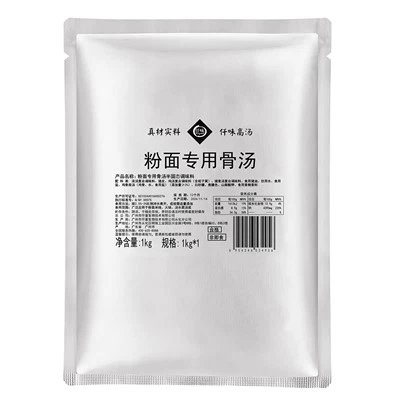
As a dedicated supplier of high - quality pork stock, I often receive various questions from customers about the production and processing of pork stock. One frequently asked question is, "Can I use a cheesecloth to strain pork stock?" In this blog, I'll delve into the details of using cheesecloth for straining pork stock, exploring its advantages, potential drawbacks, and best practices.
What is Cheesecloth?
Cheesecloth is a loose - woven cotton fabric that is commonly used in the kitchen for a variety of purposes, including straining, wrapping cheese during the cheesemaking process, and bundling herbs for cooking. It comes in different grades, with varying degrees of coarseness and tightness of the weave. The most common grades used in the kitchen are #40 and #60, with #40 being coarser and allowing for faster straining, while #60 has a finer weave and can trap smaller particles.
Why Use Cheesecloth to Strain Pork Stock?
1. Removing Impurities
When making pork stock, it's common for small bone fragments, bits of meat, and other debris to end up in the liquid. Cheesecloth acts as a fine filter, effectively catching these unwanted particles and leaving you with a clear, clean - tasting pork stock. This is especially important if you're using the stock as a base for Pork Broth Soup, where a cloudy appearance can be unappealing.
2. Improving Texture
By removing the solid particles, cheesecloth helps to create a smoother texture in the pork stock. This is beneficial for dishes where a velvety consistency is desired, such as Soup Base for Pork Bone Hot Pot. A well - strained stock will also blend more easily with other ingredients, enhancing the overall flavor and mouthfeel of the final dish.
3. Customizable Filtration
As mentioned earlier, cheesecloth comes in different grades. You can choose the grade based on the level of filtration you need. If you're looking to remove only large particles, a coarser grade like #40 might be sufficient. However, if you want a super - clear stock with minimal sediment, a finer grade like #60 would be a better choice.


How to Use Cheesecloth to Strain Pork Stock
1. Prepare the Cheesecloth
First, cut a piece of cheesecloth large enough to line a fine - mesh sieve or colander. You may need to fold the cheesecloth a few times to create multiple layers for better filtration. Make sure to wash the cheesecloth thoroughly before use to remove any dust or debris.
2. Set Up the Straining Station
Place the lined sieve or colander over a large bowl or pot. Slowly pour the hot pork stock into the cheesecloth - lined sieve. Be careful not to overfill it, as this can cause the stock to overflow or force the particles through the cheesecloth.
3. Let it Strain
Allow the stock to strain naturally through the cheesecloth. This process may take some time, especially if you're using a finer grade of cheesecloth. You can gently stir the stock in the sieve to help the liquid pass through more quickly, but be careful not to disrupt the cheesecloth too much.
4. Second Straining (Optional)
For an even clearer stock, you can strain the liquid through a second layer of cheesecloth or repeat the straining process. This is particularly useful if you're making a delicate dish like Chicken and Pork Broth, where clarity is key.
Potential Drawbacks of Using Cheesecloth
1. Time - Consuming
Straining pork stock through cheesecloth can be a slow process, especially if you're using a fine - grade cheesecloth. This can be a drawback if you're short on time or need to produce a large quantity of stock quickly.
2. Waste of Liquid
Some of the stock may get absorbed by the cheesecloth, resulting in a small loss of liquid. While this is usually a minor issue, it can be a concern if you're working with limited ingredients or trying to maximize the yield of your stock.
3. Cleaning
Cheesecloth can be difficult to clean after use, especially if it's clogged with a lot of debris. You may need to soak it in warm, soapy water and rinse it thoroughly to remove all the particles.
Alternatives to Cheesecloth
If you don't have cheesecloth on hand or find it too time - consuming to use, there are several alternatives you can consider:
1. Fine - Mesh Sieve
A fine - mesh sieve can also be effective at straining pork stock. It may not be as fine as cheesecloth, but it can still remove most of the larger particles. You can use it alone or in combination with a coffee filter for a more thorough filtration.
2. Coffee Filter
Coffee filters are a convenient and inexpensive alternative to cheesecloth. They have a fine texture that can trap small particles, leaving you with a relatively clear stock. However, they may not be as durable as cheesecloth and can tear easily if not handled carefully.
3. Paper Towels
In a pinch, paper towels can be used to strain pork stock. They are readily available and can provide a decent level of filtration. However, they may not be as effective as cheesecloth or other dedicated straining materials, and they can also leave behind a slight paper taste if not used properly.
Conclusion
In conclusion, using a cheesecloth to strain pork stock is a great way to achieve a clear, clean - tasting stock with a smooth texture. It offers several advantages, including effective removal of impurities, customizable filtration, and improved flavor. However, it also has some potential drawbacks, such as being time - consuming and difficult to clean. If you're short on time or don't have cheesecloth available, there are several alternatives you can use.
As a pork stock supplier, I'm committed to providing you with the best - quality products and information. If you have any further questions about pork stock production, straining methods, or any other related topics, please don't hesitate to reach out. Whether you're a home cook looking to make a delicious meal or a restaurant owner in need of a reliable pork stock supplier, I'm here to assist you. Contact me for more information and to discuss your procurement needs. I look forward to working with you to create amazing pork - based dishes.
References
- "The Art of Making Stock" by Cook's Illustrated
- "Professional Cooking" by The Culinary Institute of America