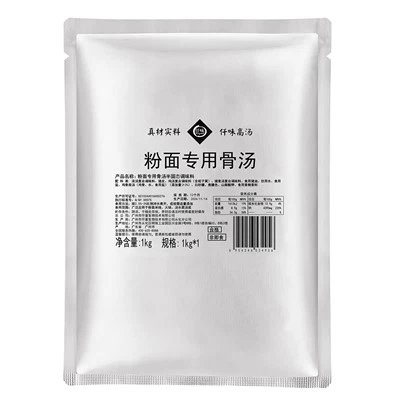
As a seasoned pork stock supplier, I often encounter various questions from customers regarding the preparation and enhancement of pork stock. One question that frequently pops up is, "Can I add vinegar to pork stock?" In this blog post, I'll delve into this topic, exploring the science behind it, the potential benefits, and the possible drawbacks.
The Science of Adding Vinegar to Pork Stock
To understand whether adding vinegar to pork stock is a good idea, we first need to understand the basic chemistry of both vinegar and pork stock. Vinegar is an acidic liquid, typically made from the fermentation of ethanol by acetic acid bacteria. The main component of vinegar is acetic acid, which gives it its characteristic sour taste and acidic properties.
Pork stock, on the other hand, is a savory liquid made by simmering pork bones, meat, and sometimes vegetables in water for an extended period. During the simmering process, collagen in the bones and meat breaks down into gelatin, which gives the stock its rich, thick texture. Other flavor compounds, such as amino acids and nucleotides, are also released, contributing to the stock's umami flavor.


When vinegar is added to pork stock, the acidic environment of the vinegar can have several effects. First, it can help to break down the connective tissues in the pork bones and meat more quickly. The acid in the vinegar can hydrolyze the collagen, making it easier for the gelatin to be released into the stock. This can result in a richer, thicker stock with a more intense flavor.
Second, the acid in the vinegar can also help to extract more flavor from the vegetables and other ingredients in the stock. The acidic environment can enhance the solubility of certain flavor compounds, allowing them to be more easily released into the liquid. This can add complexity and depth to the flavor of the stock.
However, it's important to note that adding too much vinegar can have a negative impact on the stock. The high acidity can cause the proteins in the stock to coagulate, resulting in a cloudy and unappetizing appearance. It can also overpower the natural flavors of the pork and other ingredients, making the stock taste overly sour.
Benefits of Adding Vinegar to Pork Stock
Despite the potential risks, there are several benefits to adding vinegar to pork stock. One of the main benefits is that it can help to improve the flavor and texture of the stock. As mentioned earlier, the acid in the vinegar can break down the connective tissues in the pork bones and meat, resulting in a richer, thicker stock. It can also enhance the extraction of flavor from the vegetables and other ingredients, adding complexity and depth to the flavor of the stock.
Another benefit of adding vinegar to pork stock is that it can help to preserve the stock. The acidic environment of the vinegar can inhibit the growth of bacteria and other microorganisms, which can help to extend the shelf life of the stock. This can be particularly useful if you're making a large batch of stock and want to store it for later use.
In addition, adding vinegar to pork stock can also have some health benefits. Vinegar has been shown to have antibacterial and antifungal properties, which can help to boost the immune system and prevent infections. It can also help to regulate blood sugar levels and improve digestion.
Drawbacks of Adding Vinegar to Pork Stock
While there are several benefits to adding vinegar to pork stock, there are also some potential drawbacks. One of the main drawbacks is that it can be difficult to control the amount of vinegar to add. Adding too much vinegar can result in a stock that is overly sour and unappetizing. It can also cause the proteins in the stock to coagulate, resulting in a cloudy and unappetizing appearance.
Another drawback of adding vinegar to pork stock is that it can change the flavor profile of the stock. The sour taste of the vinegar can overpower the natural flavors of the pork and other ingredients, making the stock taste different from what you might expect. This can be a problem if you're using the stock in a recipe that calls for a specific flavor profile.
Finally, adding vinegar to pork stock can also have some environmental impacts. Vinegar is typically made from the fermentation of ethanol, which is derived from crops such as corn and wheat. The production of ethanol requires a significant amount of energy and resources, and it can also contribute to greenhouse gas emissions.
How to Add Vinegar to Pork Stock
If you decide to add vinegar to your pork stock, there are a few things you can do to ensure that you get the best results. First, it's important to use the right type of vinegar. White vinegar is a good choice because it has a mild flavor that won't overpower the natural flavors of the pork and other ingredients. Apple cider vinegar is another option, but it has a stronger flavor that may not be suitable for all recipes.
Second, it's important to add the vinegar at the right time. Adding the vinegar too early in the cooking process can cause the proteins in the stock to coagulate, resulting in a cloudy and unappetizing appearance. It's best to add the vinegar towards the end of the cooking process, after the stock has been simmered for at least an hour.
Finally, it's important to use the right amount of vinegar. A good rule of thumb is to add about 1 tablespoon of vinegar per quart of stock. You can adjust the amount of vinegar based on your personal taste preferences, but be careful not to add too much.
Conclusion
In conclusion, adding vinegar to pork stock can be a great way to improve the flavor and texture of the stock. The acid in the vinegar can help to break down the connective tissues in the pork bones and meat, resulting in a richer, thicker stock. It can also enhance the extraction of flavor from the vegetables and other ingredients, adding complexity and depth to the flavor of the stock.
However, it's important to use the right type of vinegar, add it at the right time, and use the right amount. Adding too much vinegar can have a negative impact on the stock, resulting in a sour and unappetizing flavor. It can also cause the proteins in the stock to coagulate, resulting in a cloudy and unappetizing appearance.
If you're interested in trying out different ways to enhance your pork stock, we offer a range of high-quality pork stock products, including Pork Broth Base, Soup Base for Pork Bone Hot Pot, and Concentrated Pork Stock. These products are made from the finest ingredients and are designed to provide a rich, flavorful base for your soups, stews, and other dishes.
If you have any questions or would like to discuss your procurement needs, please feel free to reach out. We're always happy to help you find the perfect pork stock products for your business.
References
- McGee, H. (2004). On Food and Cooking: The Science and Lore of the Kitchen. Scribner.
- Ruhlman, M., & Polcyn, B. (2009). Charcuterie: The Craft of Salting, Smoking, and Curing. W. W. Norton & Company.