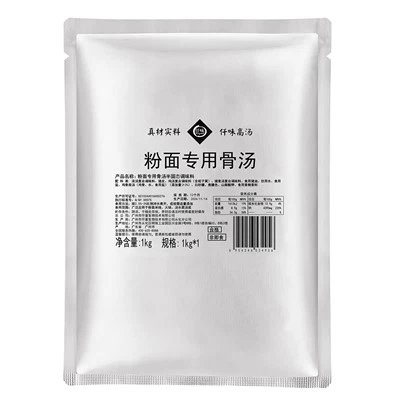
As a proud supplier of Pork Ramen Stock, I've spent countless hours perfecting the art of creating the most flavorful and aromatic pork ramen stock. One of the key elements that can elevate the taste of your pork ramen stock is the addition of vegetables. Vegetables not only add depth and complexity to the broth but also bring in a wealth of nutrients and vibrant colors. In this blog post, I'll share some of the best vegetables you can add to your pork ramen stock to take it to the next level.
Onions
Onions are a staple in many savory broths, and for good reason. They add a sweet, caramelized flavor and a rich umami depth to the pork ramen stock. You can use both white and yellow onions, but I personally prefer yellow onions for their stronger flavor. When adding onions to the stock, it's best to cut them into large chunks so they don't break down too quickly. Simply place the onion chunks in the pot with the pork bones and other ingredients, and let them simmer away. As the onions cook, they'll release their natural sugars, which will help to sweeten the broth and give it a lovely golden color.
Garlic
Garlic is another essential ingredient for any good pork ramen stock. It has a strong, pungent flavor that can really liven up the broth. You can use fresh garlic cloves or garlic powder, but I recommend using fresh garlic for the best flavor. Simply peel the garlic cloves and crush them slightly before adding them to the pot. The garlic will infuse the broth with its delicious aroma and flavor, adding a layer of complexity that is hard to beat. Be careful not to overdo it with the garlic, though, as too much can overpower the other flavors in the stock.
Ginger
Ginger is a popular ingredient in Asian cuisine, and it's a great addition to pork ramen stock. It has a spicy, warming flavor that can help to balance out the richness of the pork. Fresh ginger is the best option, as it has a more intense flavor than dried ginger. To use fresh ginger, simply peel it and cut it into thin slices. Add the ginger slices to the pot along with the other ingredients, and let them simmer. The ginger will add a subtle spiciness to the broth, as well as a hint of sweetness. It also has some health benefits, such as aiding digestion and reducing inflammation.
Carrots
Carrots are a great source of vitamins and minerals, and they add a lovely sweetness and color to the pork ramen stock. They have a natural sweetness that can help to balance out the savory flavors of the broth. When adding carrots to the stock, cut them into large chunks so they don't break down too quickly. The carrots will release their flavor and nutrients into the broth as it simmers, giving it a rich, sweet taste and a beautiful orange color. Carrots also contain antioxidants, which can help to boost your immune system.
Celery
Celery is another vegetable that is commonly used in stocks and broths. It has a mild, earthy flavor that can add depth and complexity to the pork ramen stock. Cut the celery into large pieces and add it to the pot with the other ingredients. As the celery cooks, it will release its natural flavors, which will help to round out the taste of the broth. Celery is also a good source of fiber and vitamins, making it a healthy addition to your ramen stock.
Mushrooms
Mushrooms are a great way to add umami to the pork ramen stock. They have a meaty, savory flavor that can really enhance the overall taste of the broth. You can use a variety of mushrooms, such as shiitake, oyster, or button mushrooms. If using shiitake mushrooms, it's best to soak them in warm water first to rehydrate them and bring out their flavor. Once the mushrooms are rehydrated, cut them into slices and add them to the pot. The mushrooms will add a rich, earthy flavor to the broth, as well as a nice texture.
Leeks
Leeks are a member of the onion family, and they have a mild, sweet flavor that is perfect for pork ramen stock. They add a delicate onion-like flavor without being too overpowering. Cut the leeks into large pieces, including the white and light green parts, and add them to the pot. As the leeks cook, they'll release their flavor into the broth, adding a subtle sweetness and a hint of oniony goodness. Leeks are also a good source of vitamins and minerals, such as vitamin K and folate.
Bok Choy
Bok choy is a type of Chinese cabbage that is commonly used in Asian cuisine. It has a mild, slightly sweet flavor and a crisp texture. You can add bok choy to the pork ramen stock towards the end of the cooking process, as it doesn't need to cook for very long. Simply cut the bok choy into small pieces and add it to the pot. Let it simmer for a few minutes until it's tender. The bok choy will add a fresh, crunchy element to the broth, as well as a boost of vitamins and minerals.


Napa Cabbage
Napa cabbage is another great option for adding to pork ramen stock. It has a mild, sweet flavor and a tender texture. Cut the napa cabbage into large pieces and add it to the pot with the other ingredients. As it cooks, it will release its flavor into the broth, adding a subtle sweetness and a nice texture. Napa cabbage is also low in calories and high in fiber, making it a healthy addition to your ramen.
Corn
Corn is a sweet and juicy vegetable that can add a unique flavor and texture to pork ramen stock. You can use fresh corn on the cob or frozen corn kernels. If using fresh corn on the cob, simply cut the kernels off the cob and add them to the pot. The corn will add a sweet, summery flavor to the broth, as well as a bit of crunch. It's also a good source of fiber and vitamins.
Seaweed
Seaweed is a common ingredient in Japanese cuisine, and it can be a great addition to pork ramen stock. It has a unique, briny flavor that can add a touch of the ocean to the broth. You can use different types of seaweed, such as kombu or nori. Kombu is a type of kelp that is often used to make dashi, a traditional Japanese stock. To use kombu, simply soak it in water for a few hours until it's soft. Then, add the kombu and the soaking water to the pot with the other ingredients. The kombu will infuse the broth with its umami flavor and give it a slightly salty taste. Nori can also be added to the finished ramen as a garnish for an extra boost of flavor.
Combining Vegetables for the Best Results
The key to creating a delicious pork ramen stock is to combine the vegetables in the right way. You want to create a balance of flavors and textures, so that no single vegetable overpowers the others. A good rule of thumb is to use a combination of sweet, savory, and spicy vegetables. For example, you could use onions, carrots, and corn for sweetness, garlic, ginger, and mushrooms for savory, and a little bit of chili pepper for spiciness. You can also experiment with different combinations of vegetables to find the ones that you like best.
Using Our Pork Ramen Stock
At our company, we take pride in providing high-quality Pork Ramen Stock that is perfect for making delicious ramen at home or in your restaurant. Our stock is made with the finest ingredients, including real pork bones, vegetables, and spices, and it's simmered for hours to extract all the delicious flavors. Whether you're a professional chef or a home cook, our pork ramen stock is a great base for creating a variety of ramen dishes. You can use it as is, or you can add your own vegetables, meats, and seasonings to customize it to your taste.
In addition to our Pork Ramen Stock, we also offer other great products, such as Soup Base for Pork Bone Hot Pot and Chicken and Pork Broth. These products are also made with high-quality ingredients and are perfect for a variety of dishes.
Contact Us for Purchasing
If you're interested in purchasing our products, we'd love to hear from you. We offer competitive prices and excellent customer service. Whether you're a small restaurant owner looking to stock up on high-quality soup bases or a home cook who wants to make the best ramen at home, we can help. Simply reach out to us to start a conversation about your needs. We'll be happy to provide you with more information about our products, answer any questions you may have, and assist you with the purchasing process.
References
- "The Book of Ramen" by Ivan Orkin
- "Japanese Home Cooking" by Naomi Duguid
- "Asian Vegetables: Techniques and Recipes for Common and Unusual Vegetables" by Joyce Chen