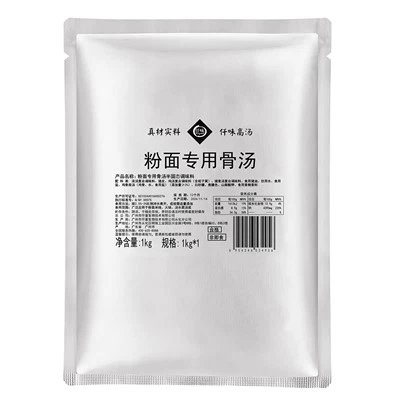
As a supplier of Beef Soup Base, I've had numerous discussions with chefs, home cooks, and food enthusiasts about the best ways to reheat this culinary gem. Reheating beef soup base might seem straightforward, but there are several factors to consider to ensure that the rich flavors, nutritional value, and overall quality are maintained. In this blog, I'll share some professional insights and practical tips on the best way to reheat beef soup base.
Why Proper Reheating Matters
Before delving into the reheating methods, it's essential to understand why proper reheating is crucial. Beef soup base is a concentrated source of flavor, packed with umami - the savory fifth taste. It contains collagen, which breaks down into gelatin during cooking, giving the soup base a rich, velvety texture. Improper reheating can lead to the loss of these flavors and nutrients. Overheating can cause the proteins in the soup base to denature, resulting in a cloudy appearance and a loss of the smooth texture. It can also cause the evaporation of volatile flavor compounds, leaving the soup base tasting flat.
Factors to Consider Before Reheating
- Quantity: The amount of beef soup base you need to reheat will determine the best method. A small quantity can be reheated quickly on the stovetop, while a large batch might be better suited for the oven or a slow cooker.
- Container: The type of container you use for reheating is important. Glass and ceramic containers are excellent choices as they heat evenly and are safe for use in the oven and microwave. Avoid using metal containers in the microwave as they can cause arcing and damage the appliance.
- Initial Storage: How the beef soup base was stored before reheating also matters. If it was frozen, it should be thawed properly in the refrigerator overnight before reheating. This slow thawing process helps to preserve the flavor and texture of the soup base.
Reheating Methods
Stovetop Reheating
The stovetop is one of the most common and effective ways to reheat beef soup base. It allows you to have direct control over the heat, ensuring that the soup base is heated evenly and gently.
- Transfer the Soup Base: Pour the beef soup base into a saucepan. If the soup base has been frozen, make sure it is completely thawed before transferring it to the saucepan.
- Heat on Low to Medium Heat: Start by heating the soup base on low to medium heat. Stir the soup base constantly to prevent it from sticking to the bottom of the pan and to ensure even heating. This gentle heating process helps to preserve the flavor and texture of the soup base.
- Bring to a Gentle Simmer: Once the soup base starts to heat up, bring it to a gentle simmer. Avoid boiling the soup base vigorously as this can cause the proteins to denature and the flavors to evaporate. A gentle simmer allows the soup base to heat through without losing its integrity.
Oven Reheating
Oven reheating is a great option for reheating a large quantity of beef soup base. It provides even heat distribution and is less likely to cause scorching.
- Preheat the Oven: Preheat your oven to 325°F (163°C).
- Transfer to an Oven - Safe Container: Pour the beef soup base into an oven - safe container. Make sure the container is covered with a lid or aluminum foil to prevent the soup base from drying out during reheating.
- Reheat in the Oven: Place the container in the preheated oven and let the soup base reheat for about 30 - 40 minutes, or until it reaches the desired temperature. Stir the soup base halfway through the reheating process to ensure even heating.
Microwave Reheating
The microwave is the quickest way to reheat a small quantity of beef soup base. However, it can be a bit tricky to use as it can heat the soup base unevenly.
- Transfer to a Microwave - Safe Container: Pour the beef soup base into a microwave - safe container. Leave some space at the top of the container as the soup base may expand during heating.
- Heat in Short Intervals: Heat the soup base in short intervals of 30 seconds to 1 minute. After each interval, remove the container from the microwave and stir the soup base. This helps to ensure even heating and prevents the soup base from overheating.
- Check the Temperature: Use a food thermometer to check the temperature of the soup base. It should reach at least 165°F (74°C) to ensure that it is safe to consume.
Tips for Optimal Reheating
- Seasoning: If the beef soup base seems a bit flat after reheating, you can add a little salt, pepper, or other seasonings to enhance the flavor. However, be careful not to over - season as the flavors can become more concentrated during reheating.
- Skimming: If there is any fat or scum on the surface of the soup base after reheating, skim it off using a ladle or a spoon. This will give the soup base a cleaner appearance and a lighter taste.
- Adding Liquid: If the beef soup base has thickened too much during reheating, you can add a little water or broth to thin it out. This will help to restore the original consistency of the soup base.
Using Reheated Beef Soup Base
Once the beef soup base is reheated, it can be used in a variety of ways. You can use it as a base for Beef Broth Based Soup, adding vegetables, meats, and noodles to create a delicious and hearty meal. It can also be used as a flavor enhancer for gravies, stews, and sauces. You can even use Liquid Beef Stock made from the reheated beef soup base to cook rice or quinoa, adding a rich, savory flavor to your grains.
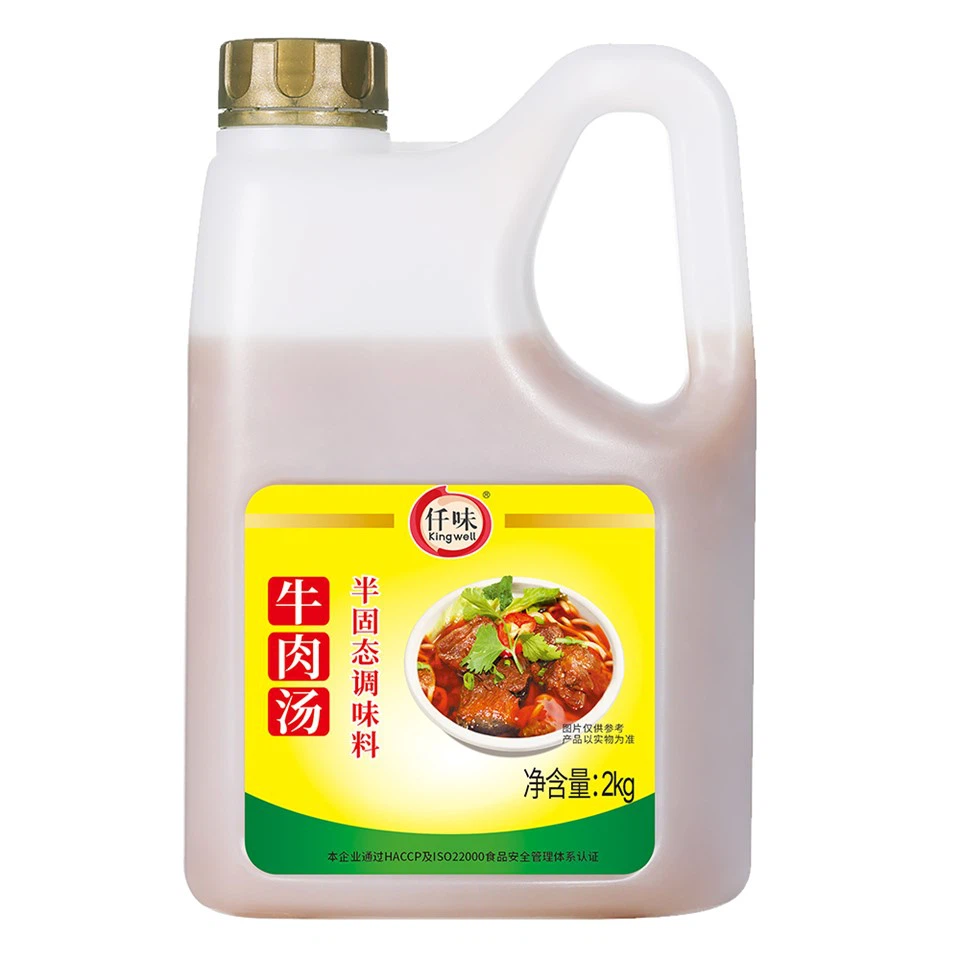

Contact for Purchase
If you're interested in purchasing high - quality Beef Soup Base, we'd love to hear from you. Our beef soup base is made from the finest ingredients, ensuring a rich and authentic flavor. Whether you're a professional chef looking to enhance your menu or a home cook wanting to add a touch of gourmet to your meals, our beef soup base is the perfect choice. Contact us to start a discussion about your specific needs and how our product can meet them.
References
- "The Science of Cooking: Understanding the Biology and Chemistry Behind Food and Cooking Techniques" by Peter Barham.
- "Cook's Illustrated Magazine", various issues on soup and broth cooking techniques.