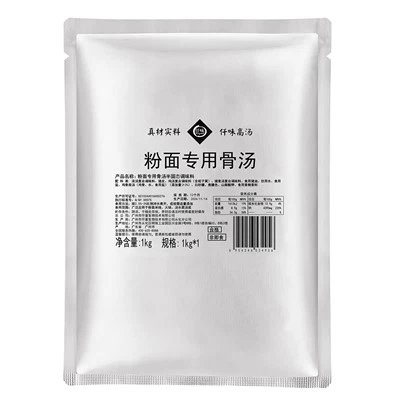
As a seasoned supplier of Mushroom Soup Base, I understand the critical role that packaging plays in preserving the quality, freshness, and appeal of our product. The right packaging not only protects the soup base from contamination and spoilage but also enhances its marketability and convenience for consumers. In this blog post, I will explore the various packaging options available for Mushroom Soup Base, discussing their advantages, disadvantages, and suitability for different market segments.
Canned Packaging
Canned packaging is one of the most traditional and widely used options for Mushroom Soup Base. Cans are typically made of tinplate or aluminum, which provide excellent protection against light, oxygen, and moisture. This helps to preserve the flavor, color, and nutritional value of the soup base for an extended period. Cans are also highly durable and resistant to damage during transportation and storage, making them ideal for long-distance shipping and bulk distribution.
One of the main advantages of canned packaging is its long shelf life. Canned Mushroom Soup Base can typically be stored for up to two years without refrigeration, making it a convenient option for consumers who want to stock up on their favorite products. Cans are also easy to open and use, with a simple pull-tab or can opener required to access the contents. This makes them a popular choice for busy households and foodservice establishments.
However, canned packaging also has some disadvantages. Cans are relatively heavy and bulky, which can increase transportation costs and make them less convenient for consumers to carry. They are also not environmentally friendly, as they are made of non-renewable resources and can take a long time to decompose in landfills. Additionally, some consumers may be concerned about the potential for canned foods to contain trace amounts of bisphenol A (BPA), a chemical used in the lining of some cans that has been linked to health problems.
Glass Bottles
Glass bottles are another popular option for Mushroom Soup Base. Glass is a non-porous material that provides excellent protection against light, oxygen, and moisture, making it ideal for preserving the flavor and quality of the soup base. Glass bottles are also transparent, which allows consumers to see the contents of the bottle and assess its quality before purchasing. This can be particularly important for products like Mushroom Soup Base, where the appearance and color can be indicators of freshness and flavor.
One of the main advantages of glass bottles is their recyclability. Glass is a highly recyclable material that can be melted down and reused to make new bottles and other products. This makes glass bottles a more environmentally friendly option than cans or plastic containers. Glass bottles are also easy to clean and sterilize, which makes them a popular choice for foodservice establishments and home cooks who want to ensure the safety and hygiene of their food.
However, glass bottles also have some disadvantages. Glass is a relatively heavy and fragile material, which can increase transportation costs and make them more prone to breakage during shipping and handling. Glass bottles are also more expensive to produce than cans or plastic containers, which can make them less competitive in the market. Additionally, some consumers may be concerned about the potential for glass bottles to break and cause injury, particularly if they are dropped or mishandled.
Plastic Containers
Plastic containers are a popular option for Mushroom Soup Base, particularly for products that are sold in smaller sizes or for consumers who prefer a more convenient and lightweight packaging option. Plastic containers are typically made of polyethylene terephthalate (PET), high-density polyethylene (HDPE), or polypropylene (PP), which are all lightweight, durable, and resistant to moisture and oxygen. Plastic containers are also available in a variety of shapes and sizes, which makes them suitable for different types of products and market segments.
One of the main advantages of plastic containers is their convenience. Plastic containers are lightweight and easy to carry, which makes them a popular choice for consumers who are on the go. They are also easy to open and close, with a simple snap-on or screw-on lid required to access the contents. This makes them a convenient option for busy households and foodservice establishments.
Another advantage of plastic containers is their cost-effectiveness. Plastic containers are typically less expensive to produce than cans or glass bottles, which can make them more competitive in the market. Plastic containers are also recyclable, although the recycling rate for plastic varies depending on the type of plastic and the local recycling infrastructure.
However, plastic containers also have some disadvantages. Plastic is a non-renewable resource that is derived from fossil fuels, which makes it less environmentally friendly than glass or paper packaging. Plastic containers are also more prone to damage and leakage than cans or glass bottles, which can lead to product spoilage and waste. Additionally, some consumers may be concerned about the potential for plastic containers to leach chemicals into the food, particularly if they are exposed to high temperatures or acidic foods.
Tetra Paks
Tetra Paks are a type of packaging that consists of multiple layers of paper, plastic, and aluminum foil. Tetra Paks are lightweight, durable, and resistant to moisture and oxygen, making them ideal for preserving the flavor and quality of Mushroom Soup Base. Tetra Paks are also available in a variety of shapes and sizes, which makes them suitable for different types of products and market segments.
One of the main advantages of Tetra Paks is their convenience. Tetra Paks are lightweight and easy to carry, which makes them a popular choice for consumers who are on the go. They are also easy to open and close, with a simple pull-tab or spout required to access the contents. This makes them a convenient option for busy households and foodservice establishments.
Another advantage of Tetra Paks is their environmental friendliness. Tetra Paks are made of renewable resources, such as paper, and are highly recyclable. They also require less energy to produce and transport than cans or glass bottles, which makes them a more sustainable option.
However, Tetra Paks also have some disadvantages. Tetra Paks are more expensive to produce than plastic containers, which can make them less competitive in the market. They are also more difficult to recycle than plastic containers, as they require specialized recycling facilities. Additionally, some consumers may be concerned about the potential for Tetra Paks to leach chemicals into the food, particularly if they are exposed to high temperatures or acidic foods.
Conclusion
In conclusion, there are several packaging options available for Mushroom Soup Base, each with its own advantages and disadvantages. The choice of packaging will depend on a variety of factors, including the product's shelf life, target market, transportation requirements, and environmental considerations. As a supplier of Mushroom Soup Base, it is important to carefully evaluate the different packaging options and choose the one that best meets the needs of our customers and the environment.
If you are interested in learning more about our Mushroom Soup Base or our packaging options, please visit our website at Mushroom Soup Base. You can also explore our other products, such as Mushroom Bone Broth and Chicken Mushroom Soup. We are always happy to discuss your specific needs and requirements and to provide you with a customized solution that meets your expectations. Contact us today to start a conversation about your procurement needs and let's explore how we can work together to bring high-quality Mushroom Soup Base to your market.


References
- Packaging Machinery Manufacturers Institute. (n.d.). Packaging Options for Food Products. Retrieved from [Website URL]
- Smith, J. (2019). The Impact of Packaging on Food Quality and Shelf Life. Journal of Food Science, 84(5), 1234-1245.
- Thompson, M. (2020). Sustainable Packaging Solutions for the Food Industry. Food Technology, 74(3), 45-52.