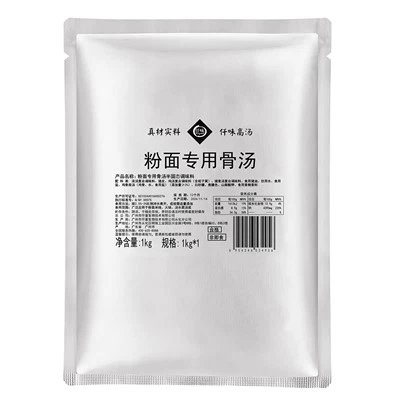
Is Suan La Tang spicy? Well, that's a question I get asked a lot as a Suan La Tang supplier. Let me tell you, it's not as straightforward as you might think.
First off, let's talk about what Suan La Tang is. Suan La Tang, which you can learn more about here, is a popular Chinese soup known for its unique blend of flavors. The name itself, “Suan La,” translates to “sour and spicy,” so you'd think it's gotta be spicy, right? But it's more nuanced than that.
The spiciness of Suan La Tang can vary greatly. It all depends on how it's prepared. Some people like their Suan La Tang super spicy, while others prefer a milder version. As a supplier, I've seen all sorts of requests. There are those who want a real tongue - tingling experience, and then there are customers who just want a hint of spiciness to complement the sour and savory notes.
One of the key ingredients that can make Suan La Tang spicy is the Spicy Hot Pot Base. This base is often used to give the soup that extra kick. It's packed with chili peppers, Sichuan peppercorns, and other spices that can really turn up the heat. But the amount of this base used in the soup can vary from one recipe to another.
In some traditional recipes, the spiciness comes from fresh chili peppers. These peppers can range from relatively mild to extremely hot. For example, jalapenos might be used for a milder version, while habaneros or ghost peppers could be added for a fiery Suan La Tang. The type of pepper used and the quantity can make a huge difference in the overall spiciness.
Another factor that affects the spiciness is the balance of other flavors. Suan La Tang is not just about the spice; it also has sour elements from vinegar or pickled vegetables, and savory flavors from ingredients like mushrooms, meat, or seafood. When these flavors are well - balanced, the spiciness can be more manageable and less overwhelming. For instance, a good amount of sourness can cut through the heat of the chili, making the soup more palatable even for those who aren't huge fans of extreme spiciness.

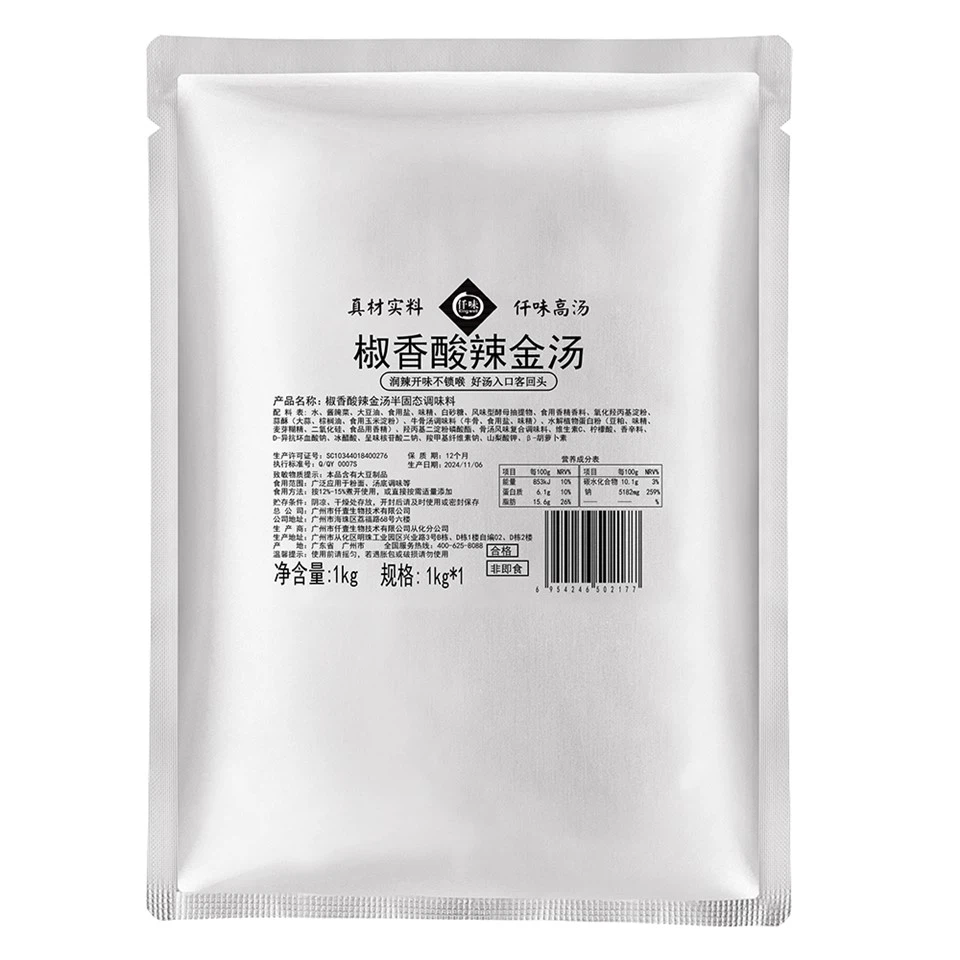
Let's take a look at a Hot and Sour Seafood Soup, which is a type of Suan La Tang. Seafood like shrimp, squid, and scallops add a sweet and savory dimension to the soup. The spiciness in this version is often tempered by the freshness of the seafood and the sourness from the seasonings. It might be a bit spicy, but it's a more complex and well - rounded flavor profile.
As a supplier, I've had to work with different restaurants and home cooks to meet their specific spiciness needs. Some restaurants target a local clientele that isn't used to very spicy food, so they ask for a milder Suan La Tang base. On the other hand, there are places that cater to adventurous eaters who are always looking for the next spicy challenge. I've developed different blends of Suan La Tang bases to accommodate these varying preferences.
I remember one time, a new restaurant owner came to me. He wanted to introduce Suan La Tang to his menu but was worried about the spiciness being too off - putting for his customers. We worked together to create a milder version that still had all the characteristic flavors of Suan La Tang. It was a hit! People loved the soup, and it became one of the popular items on his menu.
So, to answer the question “Is Suan La Tang spicy?” It can be. But it doesn't have to be. It really depends on how it's made and the preferences of the person making or eating it. Whether you're a fan of mild, medium, or super - spicy food, there's a version of Suan La Tang out there for you.
If you're a restaurant owner looking to add a unique and flavorful soup to your menu, or a home cook wanting to experiment with new recipes, I'd love to talk to you. I can provide you with high - quality Suan La Tang bases that can be customized to your desired level of spiciness. Just reach out, and we can start a conversation about how to bring the deliciousness of Suan La Tang to your customers or your dinner table.
References
- General knowledge of Chinese cuisine and food preparation.
- Experience as a Suan La Tang supplier working with various clients.