Determining the appropriate amount of tomato bouillon to use in a recipe can be a bit of a culinary puzzle. As a supplier of high - quality tomato bouillon, I've encountered numerous questions from chefs, home cooks, and food enthusiasts about this very topic. In this blog, I'll share some insights and guidelines to help you make the most of our tomato bouillon products.
Understanding Tomato Bouillon
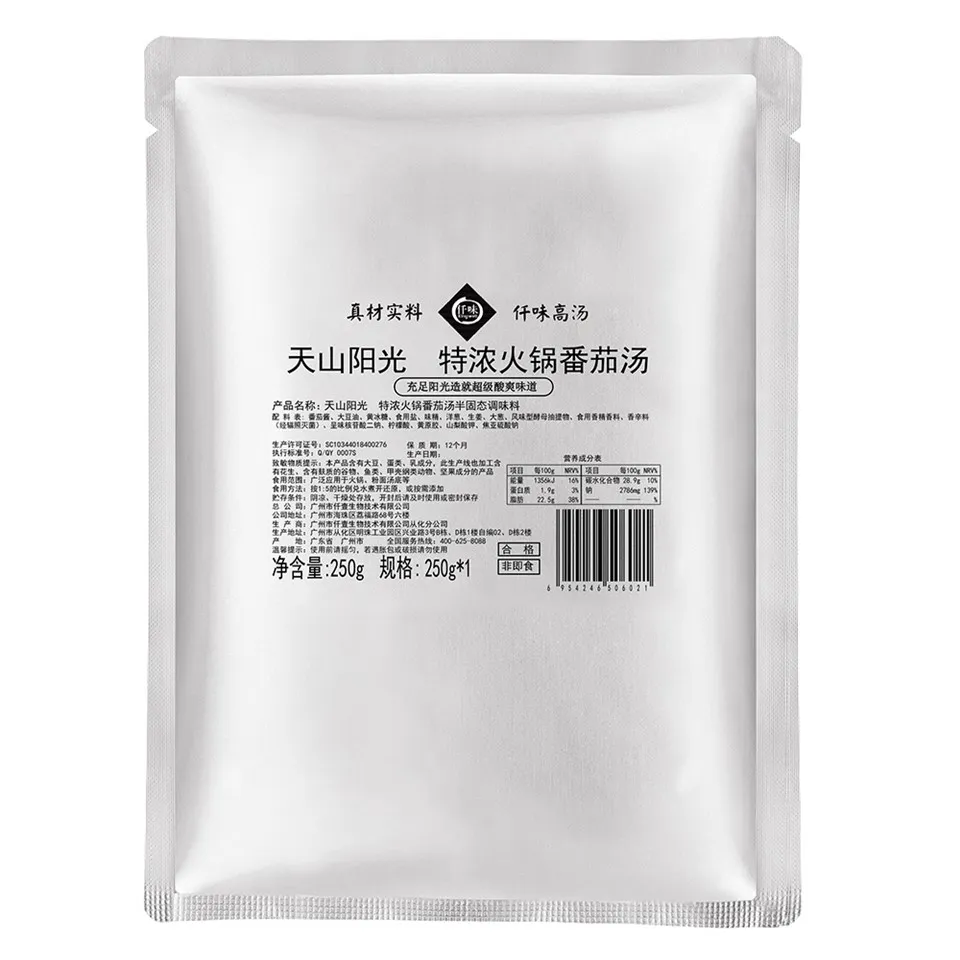
Tomato bouillon is a concentrated flavor base made from tomatoes, often enhanced with herbs, spices, and other seasonings. It comes in various forms, such as liquid, paste, and powder. Our company offers a range of tomato bouillon products, including Soup Tomato Sauce, Concentrated Tomato Soup, and Tomato Soup Paste. Each form has its own unique characteristics and uses in the kitchen.
The liquid tomato bouillon is convenient and dissolves quickly, making it ideal for adding to soups, stews, and sauces. It provides an instant burst of tomato flavor and can be easily adjusted to taste. The paste, on the other hand, is more concentrated and has a thicker consistency. It's great for adding depth of flavor to dishes and can be used as a base for tomato - based sauces or as a spread on bread. The powder form is lightweight, easy to store, and long - lasting. It's suitable for recipes where a more controlled amount of flavor is needed, and it can be rehydrated with water to create a liquid bouillon.
Factors Affecting the Amount of Tomato Bouillon
Several factors influence how much tomato bouillon you should use in a recipe. The first is the type of dish you're making. For a light tomato soup, you might use less bouillon to keep the flavor delicate, while a rich, hearty pasta sauce may require more to achieve a bold and intense tomato taste.
The quantity of other ingredients in the recipe also matters. If you're using a lot of fresh tomatoes in a dish, you may need less tomato bouillon. Conversely, if you're making a recipe with few natural tomato components, you'll likely need to add more bouillon to bring out the tomato flavor.
Personal taste preferences play a crucial role as well. Some people prefer a milder tomato flavor, while others enjoy a more robust and tangy taste. It's always a good idea to start with a smaller amount of bouillon and gradually add more until you reach your desired flavor profile.
General Guidelines for Different Recipes
Soups
When making a basic tomato soup, a good starting point is to use about 1 - 2 tablespoons of our Concentrated Tomato Soup per cup of water or broth. If you're using the liquid tomato bouillon, you can add about 1/4 to 1/2 cup per quart of soup. For a creamier tomato soup, you may want to reduce the amount slightly to avoid overpowering the other ingredients.
Stews and Casseroles
In stews and casseroles, the tomato bouillon helps to bind the flavors together and add a rich tomato undertone. For a medium - sized stew that serves 4 - 6 people, use about 2 - 3 tablespoons of Tomato Soup Paste. If using the liquid version, add around 1/2 to 3/4 cup. Adjust the amount based on the size of the dish and your personal taste.
Pasta Sauces
For a classic tomato pasta sauce, start with 2 - 4 tablespoons of Soup Tomato Sauce per pound of pasta. You can also add a bit more if you like a thicker and more flavorful sauce. Remember to cook the sauce for a while to allow the flavors to meld together.

Marinades and Dressings
Tomato bouillon can also be used in marinades and dressings to add a tangy and savory note. For a simple tomato - based marinade, mix 2 - 3 tablespoons of liquid tomato bouillon with other ingredients like olive oil, vinegar, and herbs. In dressings, use about 1 - 2 tablespoons of bouillon per cup of dressing.
Tips for Using Tomato Bouillon
- Taste as you go: It's impossible to determine the exact amount of tomato bouillon in advance. Continuously taste your dish as you add the bouillon to ensure the flavor is balanced.
- Combine with other flavors: Tomato bouillon pairs well with a variety of herbs and spices, such as basil, oregano, garlic, and onion. Experiment with different combinations to create unique and delicious flavors.
- Adjust for cooking time: If you're cooking a dish for a long time, the flavors will intensify. You may need to start with a slightly smaller amount of bouillon and let the cooking process develop the flavor further.
Customizing Recipes with Tomato Bouillon
One of the great things about our tomato bouillon products is their versatility. You can use them to customize existing recipes or create your own signature dishes. For example, you can add a splash of tomato bouillon to a meatloaf mixture to give it a delicious tomato flavor. Or, use it in a vegetarian chili to replace some of the canned tomatoes and add a more concentrated taste.
You can also use tomato bouillon to create new sauces. Combine it with cream, cheese, and a touch of cream sherry to make a decadent tomato - cream sauce for pasta or vegetables. The possibilities are endless.
Quality Assurance of Our Tomato Bouillon
As a supplier, we take great pride in the quality of our tomato bouillon products. We source the freshest tomatoes and use a careful manufacturing process to ensure that our bouillon retains the natural flavor and nutrients of the tomatoes. Our products are free from artificial colors, flavors, and preservatives, making them a healthy and delicious choice for your cooking.
Conclusion
In conclusion, the amount of tomato bouillon to use in a recipe depends on several factors, including the type of dish, the quantity of other ingredients, and personal taste preferences. By following the general guidelines provided in this blog and using your own judgment, you can create delicious tomato - flavored dishes with our high - quality tomato bouillon products.
If you're interested in purchasing our tomato bouillon products for your restaurant, catering business, or home kitchen, we'd love to hear from you. Whether you're a professional chef looking for a reliable flavor base or a home cook wanting to elevate your recipes, our tomato bouillon can meet your needs. Contact us to start a procurement discussion and discover the difference our products can make in your cooking.
References
- "The Joy of Cooking" by Irma S. Rombauer, Marion Rombauer Becker, and Ethan Becker
- "Mastering the Art of French Cooking" by Julia Child, Louisette Bertholle, and Simone Beck