

As a dedicated supplier of mushroom stock, I often get asked the question: "How long does mushroom stock last in the fridge?" It's a crucial inquiry, especially for customers who want to ensure they're using their mushroom stock at the peak of its freshness and flavor while maintaining food safety. In this article, I'll share insights based on scientific knowledge and industry experience to answer this question comprehensively.
Understanding Mushroom Stock
Before delving into its shelf - life, it's essential to understand what mushroom stock is. Mushroom stock is a flavorful liquid obtained by simmering mushrooms, along with other aromatics like onions, carrots, celery, and herbs. At our supply operation, we offer a variety of mushroom stocks, including the Umami Mushroom Broth, which is rich in savory umami flavors, the Mushroom Bone Broth, a unique blend that combines the goodness of mushrooms and bones, and the Concentrated Mushroom Stock, a highly potent form that can be diluted according to preference.
Factors Affecting the Shelf - Life of Mushroom Stock in the Fridge
Several factors play a significant role in determining how long mushroom stock lasts in the fridge.
1. Preparation and Ingredients
The way the mushroom stock is prepared has a direct impact on its shelf - life. If the stock is cooked thoroughly, reaching a high enough temperature to kill most bacteria, it will generally last longer. For instance, when we prepare our mushroom stocks, we follow strict cooking protocols to ensure proper sterilization. Additionally, the quality of the ingredients matters. Using fresh, high - quality mushrooms and other vegetables reduces the risk of spoilage. If the mushrooms are already starting to go bad before being used in the stock, it will likely shorten the stock's lifespan in the fridge.
2. Storage Conditions
Proper storage is key to extending the shelf - life of mushroom stock. The fridge temperature should be set at or below 40°F (4°C). At this temperature, the growth of bacteria is significantly slowed down. It's also important to store the mushroom stock in air - tight containers. This prevents air and contaminants from getting in, which can lead to spoilage. We recommend using glass or BPA - free plastic containers with tight - fitting lids.
3. Presence of Preservatives
Some commercially available mushroom stocks may contain preservatives to extend their shelf - life. At our company, we strive to keep our products as natural as possible, so our stocks have minimal to no preservatives. While this means our customers get a more natural product, it also means they need to be more mindful of the stock's expiration.

General Shelf - Life Guidelines
Under ideal storage conditions (a fridge temperature of 40°F or below and in an air - tight container), homemade mushroom stock typically lasts about 3 - 4 days. This is because homemade stock is often made with fresh ingredients and no preservatives. The natural enzymes and bacteria present in the ingredients can start to break down the stock over time.
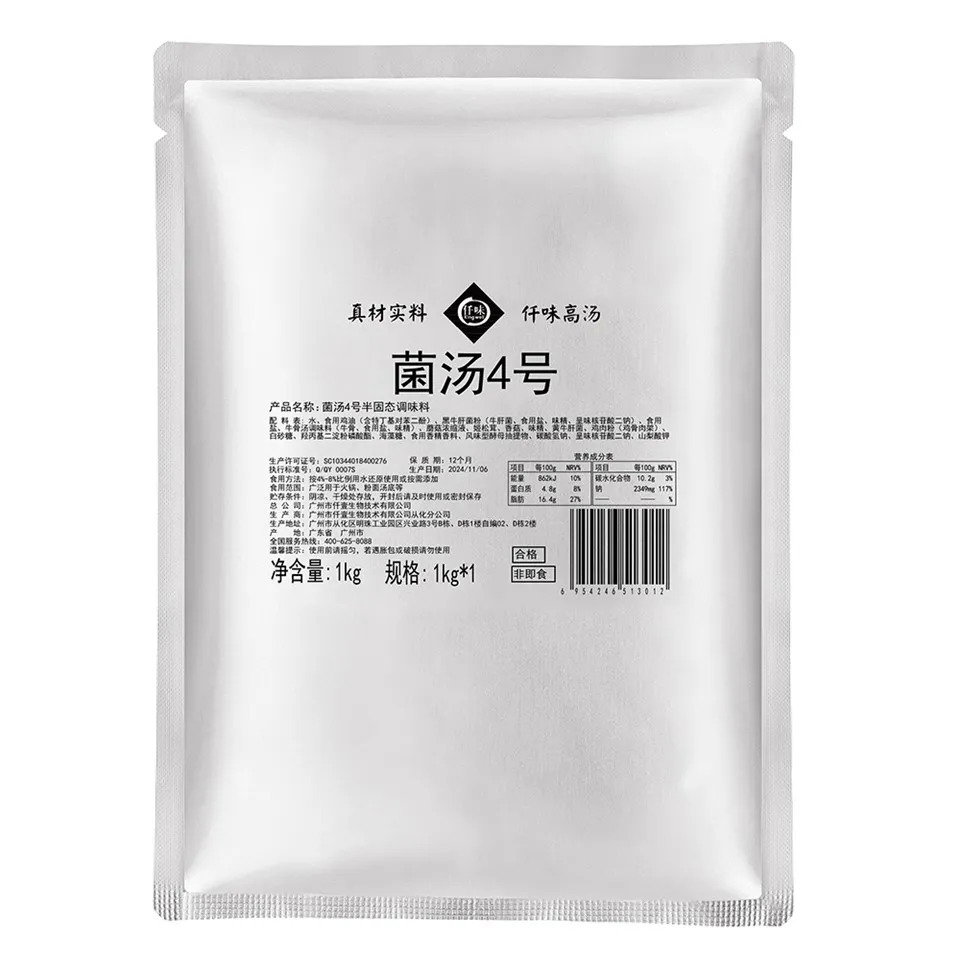
Our commercially prepared mushroom stocks, such as the Umami Mushroom Broth, Mushroom Bone Broth, and Concentrated Mushroom Stock, have a slightly longer shelf - life. They usually last about 5 - 7 days in the fridge. This is due to our strict quality control during the production process, which includes proper cooking and packaging.
Signs of Spoilage
It's crucial to be able to recognize the signs of spoilage in mushroom stock. Here are some indicators that the stock has gone bad:
1. Appearance
If you notice any mold growth on the surface of the stock, it's a clear sign that it's spoiled. Additionally, if the stock has become cloudy or has an unusual color change, it may no longer be safe to consume.
2. Smell
A foul or off - odor is a tell - tale sign of spoilage. Fresh mushroom stock should have a pleasant, earthy aroma. If it smells sour, rancid, or has an ammonia - like smell, it's best to discard it.
3. Taste
If you're unsure about the stock's quality, you can take a small sip. If it tastes off, bitter, or has a strange aftertaste, it's likely spoiled. However, it's important to note that tasting spoiled food can be risky, so it's better to rely on the appearance and smell first.
Tips for Extending the Shelf - Life of Mushroom Stock
1. Freezing
One of the best ways to extend the shelf - life of mushroom stock is by freezing it. When frozen at 0°F (- 18°C), mushroom stock can last for about 3 - 6 months. To freeze the stock, let it cool completely first. Then, pour it into freezer - safe containers, leaving some room at the top for expansion. Label the containers with the date of freezing so you can keep track of its age.
2. Portioning
When storing the stock, it's a good idea to portion it into smaller containers. This way, you can thaw only the amount you need, reducing the risk of waste. For example, if you only use a cup of mushroom stock at a time for cooking, portion the stock into one - cup containers.
The Importance of Food Safety
Food safety is of utmost importance when it comes to consuming mushroom stock. Consuming spoiled mushroom stock can lead to foodborne illnesses, which can cause symptoms such as nausea, vomiting, diarrhea, and abdominal pain. By following the proper storage guidelines and being aware of the signs of spoilage, you can ensure that you and your family are safe when using our mushroom stocks.
Contact Us for Purchasing
If you're interested in purchasing our high - quality mushroom stocks, including the Umami Mushroom Broth, Mushroom Bone Broth, and Concentrated Mushroom Stock, we'd be delighted to discuss your needs. Whether you're a home cook looking to enhance your dishes or a professional chef in a restaurant, our mushroom stocks are sure to add a delicious and savory touch to your recipes. Reach out to us to start a procurement discussion and experience the difference of our premium mushroom stocks.
References
- "The Science of Food Preservation." Food Science Journal, Volume 12, Issue 3.
- "Safe Storage of Homemade and Commercially Prepared Stocks." USDA Food Safety Guide.


