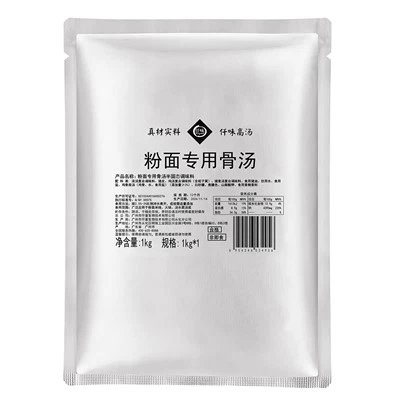
The fishing industry is a complex and dynamic sector that is heavily influenced by a multitude of factors, one of the most crucial being the fish stock base. As a supplier of Fish Stock Base, I have witnessed firsthand how the state of fish stocks can shape fishing regulations. In this blog, I will explore the intricate relationship between the fish stock base and fishing regulations, and how these regulations, in turn, impact the fishing industry and our business as a supplier.
Understanding the Fish Stock Base
The fish stock base refers to the total quantity of fish of a particular species or group of species in a given area at a specific time. It is a fundamental concept in fisheries management, as it provides a baseline for assessing the health and productivity of fish populations. A healthy fish stock base is characterized by a sufficient number of fish of different ages and sizes, which ensures the long - term viability of the species.
Several factors can affect the fish stock base. Environmental factors such as water temperature, salinity, and the availability of food play a significant role. For example, a sudden change in water temperature can disrupt the spawning patterns of fish, leading to a decline in the number of new recruits to the stock. Overfishing is another major factor. When fishing pressure exceeds the natural replenishment rate of the fish population, the stock base will gradually decline.
How Fish Stock Base Influences Fishing Regulations
Catch Limits
One of the most direct ways the fish stock base affects fishing regulations is through the setting of catch limits. Fisheries management authorities use scientific data on fish stock assessments to determine the maximum sustainable yield (MSY) for each species. The MSY is the largest amount of fish that can be caught over an extended period without depleting the stock base.
When the fish stock base is healthy and abundant, catch limits may be set relatively high. This allows fishermen to harvest a larger quantity of fish, which can boost the economic viability of the fishing industry. However, if the stock base is in decline, catch limits will be reduced to prevent further overfishing. For instance, if a stock assessment reveals that a particular species of fish has experienced a significant decline in population due to overfishing or environmental factors, the regulatory agency may impose a moratorium on fishing for that species or set very low catch limits until the stock recovers.
Fishing Seasons
The fish stock base also influences the determination of fishing seasons. Fisheries managers often design fishing seasons to coincide with the natural life cycle of fish, particularly their spawning periods. By closing fishing areas during spawning, the regulatory authorities aim to protect the reproductive capacity of the fish population and ensure the replenishment of the stock base.
In areas where the fish stock base is strong, fishing seasons may be longer, allowing fishermen more time to operate. Conversely, in regions where the stock is weak, fishing seasons may be shortened or adjusted to minimize the impact on the vulnerable fish population. For example, if a species of fish spawns during a specific time of the year, fishing may be prohibited during that period to protect the eggs and young fish.
Gear Restrictions
Gear restrictions are another important aspect of fishing regulations influenced by the fish stock base. Different fishing gears have varying levels of selectivity and impact on the fish population. Some gears, such as trawls, can cause significant damage to the marine environment and catch a large number of non - target species (bycatch).
When the fish stock base is under stress, regulatory authorities may impose stricter gear restrictions to reduce the impact of fishing on the stock. For example, they may require fishermen to use more selective fishing gears, such as hook - and - line or traps, which have a lower bycatch rate. In some cases, certain types of fishing gear may be completely banned in areas where the fish stock base is particularly vulnerable.
The Impact of Fishing Regulations on the Fishing Industry and Our Business
Effects on the Fishing Industry
Fishing regulations can have both positive and negative impacts on the fishing industry. On the positive side, well - designed regulations based on sound fish stock assessments can help ensure the long - term sustainability of the industry. By protecting the fish stock base, regulations prevent the collapse of fish populations, which would ultimately lead to the loss of livelihoods for fishermen.
However, in the short term, fishing regulations can also pose challenges for fishermen. Reduced catch limits and shorter fishing seasons mean less income for fishermen. Stricter gear restrictions may require fishermen to invest in new equipment, which can be costly. These challenges can lead to resistance from the fishing community, especially if they perceive the regulations as overly restrictive.
Effects on Our Business
As a supplier of Fish Stock Base, Seafood Stock Base, and Concentrated Fish Stock, fishing regulations have a direct impact on our business. When catch limits are reduced, the supply of fresh fish available for processing into our products may decrease. This can lead to higher raw material costs and potential shortages in our production.


On the other hand, sustainable fishing regulations that protect the fish stock base are beneficial for our long - term business prospects. A healthy fish stock base ensures a stable supply of raw materials in the future. Moreover, consumers are increasingly demanding sustainable seafood products. By supporting sustainable fishing practices through our sourcing policies, we can enhance our brand image and meet the growing market demand for environmentally friendly products.
The Role of Technology and Innovation
In recent years, technology and innovation have played an important role in both fish stock assessment and fishing regulations. Advanced satellite technology, for example, can be used to monitor fishing activities in real - time, allowing regulatory authorities to enforce fishing regulations more effectively. Electronic monitoring systems on fishing vessels can record catch data and fishing locations, which helps in accurate stock assessments.
In addition, new fishing technologies are being developed to reduce the impact of fishing on the fish stock base. For example, some innovative fishing gears are designed to be more selective, reducing bycatch and minimizing damage to the marine environment. These technological advancements can help strike a balance between the economic needs of the fishing industry and the conservation of the fish stock base.
Conclusion and Call to Action
The fish stock base is a critical factor in shaping fishing regulations. By understanding the relationship between the two, we can better appreciate the importance of sustainable fishing practices. As a supplier, we are committed to working with the fishing industry and regulatory authorities to support sustainable fishing.
We believe that by adhering to fishing regulations and promoting sustainable sourcing, we can contribute to the long - term health of the fish stock base and the viability of the fishing industry. If you are interested in our Fish Stock Base, Seafood Stock Base, or Concentrated Fish Stock products and would like to discuss procurement opportunities, please feel free to reach out. We look forward to establishing a mutually beneficial partnership with you.
References
FAO. (2022). The State of World Fisheries and Aquaculture 2022. Rome: Food and Agriculture Organization of the United Nations.
Hilborn, R., & Walters, C. J. (1992). Quantitative Fisheries Stock Assessment: Choice, Dynamics and Uncertainty. Chapman & Hall.
Pikitch, E. K., Santora, J., Babcock, E. A., Bakun, A., Bonfil, R., Conover, D. O., … & Zeller, D. (2004). Rebuilding global fisheries. Science, 305(5691), 1957 - 1961.