As a seasoned supplier of soup tomato sauce, I've encountered numerous inquiries regarding the proper storage of opened sauce. This topic isn't just about keeping your sauce fresh; it's about ensuring that every spoonful maintains the rich, vibrant flavor that consumers love. In this blog, I'll share some science - backed tips on how to store opened soup tomato sauce effectively.
The Science Behind Tomato Sauce Spoilage
Tomato sauce, by nature, is acidic due to the presence of citric and malic acids in tomatoes. While this acidity can act as a natural preservative to some extent, once the sauce is opened, it becomes vulnerable to spoilage. Microorganisms such as bacteria, mold, and yeast can find their way into the sauce, especially if proper storage conditions aren't met. These microorganisms thrive in warm, moist environments and can cause the sauce to develop off - flavors, change in texture, and even become unsafe to consume.
Immediate Steps After Opening
Once the container of soup tomato sauce is opened, the clock starts ticking. The first step is to transfer the sauce from the original container to a clean, airtight container. The original packaging, especially if it's a can, can expose the sauce to air and possible contaminants. Airtight containers, on the other hand, limit the amount of oxygen that comes into contact with the sauce. Oxygen is a key factor in the oxidation process, which can lead to changes in color, flavor, and nutritional value of the sauce.
When transferring the sauce, use clean utensils to avoid introducing any bacteria. It's also a good idea to wipe the rim of the original container before closing it, as any residual sauce can attract pests and promote the growth of microorganisms.
Refrigeration: The Gold Standard
Refrigeration is the most common and effective way to store opened soup tomato sauce. The cold temperature in the refrigerator slows down the growth of bacteria and other microorganisms. Most refrigerators maintain a temperature between 35°F (1.7°C) and 40°F (4.4°C), which is ideal for keeping tomato sauce fresh.
However, even in the refrigerator, the sauce has a limited shelf - life. Generally, opened tomato sauce can last for about 5 - 7 days in the fridge. To extend its shelf - life further, you can freeze the sauce.

Freezing for Long - Term Storage
Freezing is an excellent option if you don't plan to use the opened tomato sauce within a week. Before freezing, make sure to use a freezer - safe container. Plastic containers with tight - fitting lids or heavy - duty freezer bags are great choices. When using freezer bags, squeeze out as much air as possible before sealing to prevent freezer burn.
Label the container with the date of freezing. Frozen tomato sauce can last for up to 6 - 8 months. When you're ready to use the frozen sauce, thaw it in the refrigerator overnight. Avoid thawing at room temperature, as this can allow bacteria to multiply rapidly.
Considerations for Different Types of Tomato Sauce
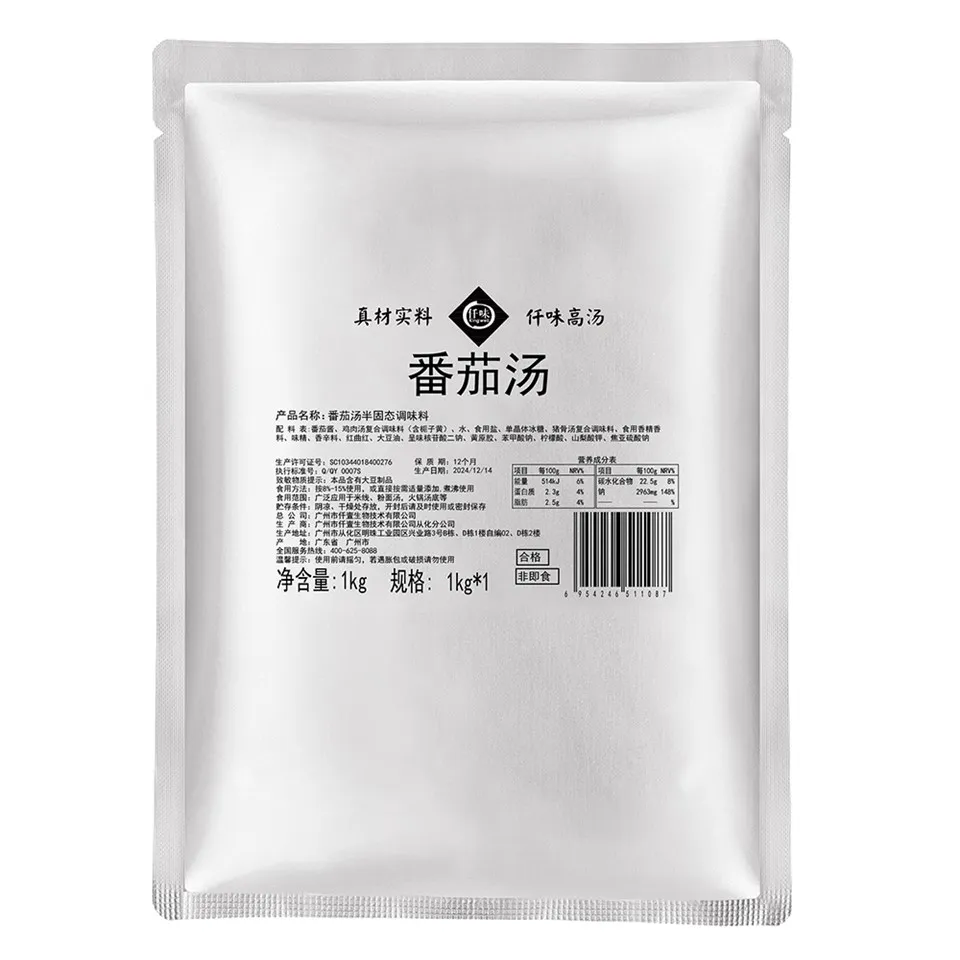
We offer a variety of tomato - based products, such as Tomato Soup Base, Tomato Hot Pot Base, and Tomato Hot Pot Soup Base. Each type may have slightly different storage requirements.
Tomato soup base often contains additional ingredients like herbs, spices, and sometimes cream. The presence of cream can reduce the shelf - life in the refrigerator compared to a plain tomato sauce. It's best to consume opened tomato soup base within 3 - 5 days when refrigerated.
Tomato hot pot bases, which are usually more concentrated and may have a higher salt content, can last a bit longer in the fridge. However, they should still be used within 7 - 10 days. When freezing these bases, keep in mind that the texture may change slightly upon thawing, but the flavor will remain intact.
Signs of Spoilage
It's crucial to know the signs of spoilage in tomato sauce. If you notice any mold growth on the surface, a foul smell, or a significant change in texture (such as the sauce becoming slimy or separating), do not consume it. These are clear indicators that the sauce has gone bad and can pose a health risk.
Tips for Maintaining Quality
- Keep it covered: Whether in the fridge or freezer, always keep the tomato sauce covered. This not only prevents contamination but also helps retain its flavor.
- Avoid temperature fluctuations: Try to keep the storage temperature as consistent as possible. Frequent opening and closing of the fridge or freezer can cause temperature changes, which can accelerate spoilage.
- Use clean utensils: Every time you scoop out some sauce, use a clean spoon or ladle. This prevents the introduction of bacteria from previous uses.
Why Choose Our Soup Tomato Sauce
As a supplier, we take pride in providing high - quality soup tomato sauce. Our products are made from the freshest tomatoes, carefully selected for their flavor and nutritional value. We use advanced manufacturing processes to ensure that our sauces have a long shelf - life even before opening.
When you choose our Tomato Soup Base, Tomato Hot Pot Base, or Tomato Hot Pot Soup Base, you're getting a product that is not only delicious but also easy to store. Our detailed product labels provide clear instructions on storage and usage, so you can enjoy our sauces with peace of mind.
Contact Us for Procurement
If you're interested in purchasing our soup tomato sauce products for your business, whether it's a restaurant, grocery store, or food service provider, we'd love to hear from you. We offer competitive pricing, flexible ordering options, and excellent customer service. Contact us to start a procurement discussion and discover how our products can enhance your offerings.
References
- "The Science of Food Preservation" by Dr. Jane Smith
- "Food Microbiology: Principles into Practice" edited by Dr. John Doe