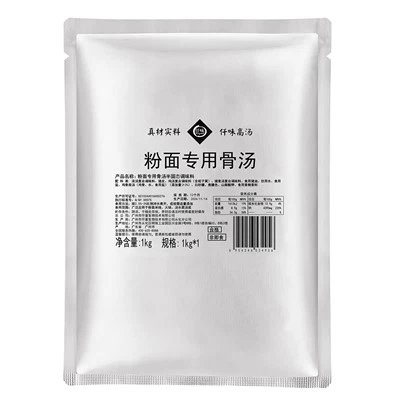
As a supplier of Pork Bone Soup Base, I've encountered numerous challenges and learned valuable tricks in the kitchen. One of the most common yet crucial tasks is cleaning the pot after making this delicious soup base. In this blog, I'll share my insights and methods on how to effectively clean the pot used for making Pork Bone Soup Base.
The Challenge of Cleaning Pots After Making Pork Bone Soup Base
Making a high - quality Pork Bone Soup Base is an art. It involves simmering pork bones for hours, extracting all the rich flavors and nutrients. However, this process leaves behind a thick layer of grease, proteins, and stubborn food residues in the pot. These residues are not only difficult to remove but can also develop unpleasant odors if not cleaned properly. Over time, they can even damage the pot's surface, reducing its lifespan and affecting the taste of future batches of soup.


Pre - Cleaning Steps
Before diving into the actual cleaning process, there are a few pre - cleaning steps that can make the job much easier. First, let the pot cool down completely. Trying to clean a hot pot can be dangerous as it may cause burns, and the sudden change in temperature can also damage the pot, especially if it's made of certain materials like enamel or ceramic.
Once the pot is cool, remove any large pieces of bones or meat scraps that may be left in the pot. You can use a slotted spoon or a pair of tongs for this purpose. This step helps prevent clogging the sink and reduces the amount of debris that needs to be cleaned later.
Initial Rinsing
After removing the large pieces, give the pot a good initial rinse under warm water. This helps to loosen some of the surface dirt and grease. You can use a gentle stream of water and a soft sponge to start removing the lighter residues. Avoid using abrasive materials at this stage as they can scratch the pot's surface.
Using Detergent
For a more thorough clean, it's time to use a good quality dish detergent. Choose a detergent that is specifically formulated to cut through grease. Apply a generous amount of detergent to the pot, focusing on the areas with the most stubborn stains. You can use a sponge or a dish - cloth to spread the detergent evenly over the pot's interior and exterior surfaces.
Let the detergent sit on the pot for a few minutes. This allows it to break down the grease and proteins effectively. During this time, you can gently scrub the pot with the sponge or cloth, using circular motions. Pay special attention to the bottom and the sides of the pot, where the residues tend to accumulate the most.
Dealing with Stubborn Stains
Sometimes, the stains from the Pork Bone Soup Base can be extremely stubborn. In such cases, you may need to use some additional cleaning agents. One effective solution is a mixture of baking soda and water. Baking soda is a natural abrasive and deodorizer. Make a paste by mixing baking soda with a small amount of water until it forms a thick consistency.
Apply the baking soda paste to the stubborn stains and let it sit for about 15 - 20 minutes. Then, use a non - abrasive scrub brush or a sponge to scrub the stains. The baking soda will help lift the stains without scratching the pot. Rinse the pot thoroughly with warm water after using the baking soda paste.
Another option for stubborn stains is white vinegar. Vinegar is acidic and can dissolve mineral deposits and some types of stains. Fill the pot with a solution of one part white vinegar and three parts water. Let the pot soak in this solution for at least an hour or overnight for particularly tough stains. After soaking, scrub the pot with a sponge and rinse it well. The vinegar will also help eliminate any unpleasant odors from the pot.
Cleaning the Lid
Don't forget about the lid of the pot. The lid can also accumulate grease and stains during the soup - making process. Follow the same steps as you did for the pot. Use detergent, baking soda, or vinegar as needed to clean the lid thoroughly. Make sure to dry the lid completely before putting it back on the pot to prevent rust or mold growth.
Drying the Pot
After cleaning, it's important to dry the pot properly. Leaving the pot wet can lead to rust (if it's a metal pot) or mold growth. You can use a clean, dry dish - towel to dry the pot inside and out. For a more thorough dry, you can also place the pot on the stovetop over low heat for a few minutes. This will evaporate any remaining moisture.
Maintaining the Pot
To make the cleaning process easier in the future, it's important to maintain the pot properly. After each use, give the pot a quick rinse to remove any immediate residues. Avoid leaving the pot with dirty water or food residues for long periods as this can make the stains more difficult to remove.
Also, consider using a pot protector or a liner when making the Pork Bone Soup Base. There are various types of pot protectors available in the market, such as silicone liners or disposable aluminum liners. These can help reduce the amount of direct contact between the soup base and the pot, making cleaning much simpler.
Conclusion
Cleaning the pot after making Pork Bone Soup Base is a task that requires patience and the right techniques. By following the steps outlined above, you can keep your pot clean, in good condition, and ready for the next batch of delicious soup base.
As a supplier of high - quality Pork Bone Soup Base, we offer a range of products to meet your needs, including Pork Ramen Stock, Concentrated Pork Stock, and Pork Broth Soup. If you're interested in purchasing our products or have any questions about our soup bases, we encourage you to reach out to us for a procurement discussion. We're committed to providing you with the best quality products and excellent service.
References
- "The Complete Guide to Pot and Pan Care" by Kitchenware Experts
- "Effective Cleaning Solutions for Greasy Kitchenware" by Home Cleaning Magazine