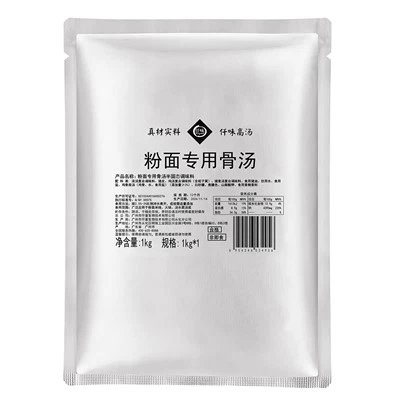
Hey there, foodies and fellow soup enthusiasts! As a chicken stock supplier, I've spent countless hours simmering pots of delicious chicken goodness, and I'm here to share my insights on what kind of chicken is best for making chicken stock. Whether you're a professional chef or a home cook looking to elevate your soups, stews, and sauces, choosing the right chicken can make all the difference.
First off, let's talk about the basics. Chicken stock is made by simmering chicken bones, meat, and vegetables in water for an extended period, extracting the flavors and nutrients from the ingredients. The resulting liquid is rich, savory, and full of umami, making it a versatile ingredient in a wide range of dishes.
When it comes to choosing the chicken for your stock, there are a few factors to consider. The type of chicken, its age, and its diet can all affect the flavor and quality of the stock. Here are some of the most common types of chicken used for making stock and their characteristics:
Whole Chicken
Using a whole chicken is a classic way to make chicken stock. It provides a good balance of meat, bones, and cartilage, which all contribute to the rich flavor and gelatinous texture of the stock. Whole chickens are also readily available at most grocery stores and come in a variety of sizes, so you can choose one that suits your needs.
When using a whole chicken, it's best to choose a free-range or organic chicken if possible. These chickens are typically raised in a more natural environment and fed a diet that is free from antibiotics and hormones, which can result in a more flavorful and nutritious stock.
Chicken Bones
If you don't have a whole chicken on hand, you can also make stock using just chicken bones. Chicken bones are a great source of gelatin, which gives the stock a rich, velvety texture. You can use a variety of chicken bones, including backs, necks, wings, and drumsticks.
When using chicken bones, it's a good idea to roast them in the oven first to add a depth of flavor to the stock. Simply place the bones on a baking sheet, drizzle them with olive oil, and season them with salt and pepper. Roast the bones in a preheated oven at 400°F (200°C) for about 30 minutes, or until they are golden brown.
Chicken Feet
Chicken feet are another excellent ingredient for making chicken stock. They are rich in collagen, which is a type of protein that gives the stock a thick, gelatinous texture. Chicken feet are also a good source of glucosamine and chondroitin, which are beneficial for joint health.
If you're not used to using chicken feet, they may seem a bit intimidating at first. However, they are actually quite easy to prepare. Simply rinse the chicken feet under cold water, trim off any excess skin or nails, and add them to the stock pot along with the other ingredients.
Chicken Thighs
Chicken thighs are a popular choice for making chicken stock because they are flavorful and have a high fat content, which helps to give the stock a rich, creamy texture. Chicken thighs are also more affordable than other cuts of chicken, making them a great option if you're on a budget.
When using chicken thighs, it's best to remove the skin before adding them to the stock pot. The skin can add a lot of fat to the stock, which can make it greasy and heavy. You can also use the skin to make chicken cracklings, which are a delicious and crispy snack.
Chicken Breasts
While chicken breasts are a lean and healthy cut of chicken, they are not the best choice for making chicken stock. Chicken breasts have a low fat content and don't have as much flavor as other cuts of chicken, so they don't contribute as much to the overall flavor and texture of the stock.
If you do decide to use chicken breasts in your stock, it's best to use them in combination with other cuts of chicken, such as thighs or wings. This will help to add more flavor and richness to the stock.
Now that you know what kind of chicken to use for making chicken stock, let's talk about some tips and tricks for making the best stock possible.
Use High-Quality Ingredients
The quality of your ingredients will have a big impact on the flavor and quality of your stock. When choosing chicken, vegetables, and herbs, it's important to choose the freshest and highest-quality ingredients you can find. This will ensure that your stock has a rich, flavorful taste and a clear, golden color.
Simmer Slowly
One of the keys to making great chicken stock is to simmer it slowly over low heat for a long period of time. This allows the flavors and nutrients to be extracted from the ingredients and gives the stock a rich, concentrated flavor.
When simmering the stock, it's important to keep the heat low and to skim off any foam or impurities that rise to the surface. This will help to ensure that the stock is clear and free from any unwanted flavors or odors.
Add Vegetables and Herbs
Vegetables and herbs are an essential part of making chicken stock. They add flavor, aroma, and nutrients to the stock and help to balance out the richness of the chicken.
Some of the most common vegetables used in chicken stock include onions, carrots, celery, garlic, and leeks. You can also add herbs such as thyme, rosemary, bay leaves, and parsley to the stock for added flavor.
Strain the Stock
Once the stock has finished simmering, it's important to strain it through a fine-mesh sieve or cheesecloth to remove any bones, vegetables, or herbs. This will help to ensure that the stock is smooth and free from any solids.
After straining the stock, you can let it cool to room temperature and then transfer it to a container and store it in the refrigerator or freezer. Chicken stock can be stored in the refrigerator for up to 3 days or in the freezer for up to 6 months.
As a chicken stock supplier, I offer a variety of high-quality chicken stock products to meet the needs of my customers. Whether you're looking for a Chicken Concentrated Stock, Chicken Liquid Stock, or Chicken Bone Stock, I've got you covered.
My chicken stocks are made using only the freshest and highest-quality ingredients, including free-range or organic chicken, vegetables, and herbs. They are simmered slowly for hours to extract the maximum flavor and nutrients, resulting in a rich, savory, and delicious stock that is perfect for a wide range of dishes.
If you're interested in learning more about my chicken stock products or would like to place an order, please don't hesitate to contact me. I'd be happy to answer any questions you may have and help you find the perfect chicken stock for your needs.
In conclusion, choosing the right chicken is essential for making a delicious and flavorful chicken stock. Whether you're using a whole chicken, chicken bones, chicken feet, chicken thighs, or a combination of these ingredients, it's important to choose high-quality, fresh ingredients and to simmer the stock slowly over low heat for a long period of time. By following these tips and tricks, you'll be able to make a chicken stock that is rich, savory, and full of umami, and that will take your soups, stews, and sauces to the next level.


References
- McGee, H. (2004). On Food and Cooking: The Science and Lore of the Kitchen. Scribner.
- Ruhlman, M., & Polcyn, B. (2009). Charcuterie: The Craft of Salting, Smoking, and Curing. W. W. Norton & Company.
- Thomas Keller Restaurant Group. (n.d.). Chicken Stock Recipe. Retrieved from https://www.thomaskeller.com/recipes/chicken-stock-recipe/