

Making tomato soup paste at home is a rewarding endeavor that allows you to enjoy the rich, tangy flavor of fresh tomatoes in a convenient and concentrated form. As a supplier of high - quality tomato soup paste products, I've had the opportunity to explore various aspects of tomato soup paste production, including the time it takes to make it at home. In this blog, I'll delve into the factors that influence the time required to make tomato soup paste and provide you with a detailed breakdown of the process.
Factors Affecting the Time to Make Tomato Soup Paste
1. Preparation of Tomatoes
The first step in making tomato soup paste is preparing the tomatoes. This involves washing, coring, and optionally peeling them. The time taken for this step depends on the quantity of tomatoes you're using. If you're making a small batch, say 2 - 3 pounds of tomatoes, it may take around 10 - 15 minutes. However, for a larger batch of 10 - 15 pounds, which is ideal for making a significant amount of tomato soup paste to store, it could take 30 minutes to an hour.
Peeling tomatoes can be a time - consuming task. You can make it easier by blanching the tomatoes in boiling water for about 30 - 60 seconds and then transferring them to an ice bath. This causes the skin to peel off more readily. For a large quantity of tomatoes, the blanching and transferring process can add an extra 15 - 20 minutes to your preparation time.
2. Cooking the Tomatoes
Once the tomatoes are prepared, they need to be cooked down. The cooking time is largely influenced by the method you choose.
Stovetop Method
On the stovetop, it usually takes around 1 - 2 hours to cook down the tomatoes to a thick consistency. You start by chopping the tomatoes into small pieces and placing them in a large pot over medium - high heat. As they cook, the tomatoes will release their juices, and you need to stir them occasionally to prevent burning.
As the water evaporates, the tomatoes will start to thicken. You can speed up this process by reducing the heat to medium and partially covering the pot. This helps to trap the steam and cook the tomatoes more evenly. However, you still need to keep an eye on the pot and stir regularly.
Slow - Cooker Method
Using a slow - cooker is a more hands - off approach. The cooking time in a slow - cooker can range from 4 - 8 hours. Set it to the low setting, and let the tomatoes cook slowly. The slow - cooking process allows the flavors to develop more deeply, resulting in a richer tomato soup paste. But it does require patience as you have to wait for several hours for the tomatoes to reach the desired consistency.
Pressure - Cooker Method
A pressure - cooker is the fastest option for cooking the tomatoes. It can reduce the cooking time to about 20 - 30 minutes. The high pressure inside the cooker accelerates the breakdown of the tomatoes and reduces the water content more quickly. Once the pressure - cooking cycle is complete, you need to let the pressure release naturally or use the quick - release method, which may take an additional 10 - 15 minutes.

3. Straining and Pureeing
After the tomatoes are cooked, they need to be strained to remove the seeds and skins. This can be done using a food mill, a fine - mesh sieve, or a blender.
If you use a food mill, it may take around 15 - 20 minutes to process a large batch of cooked tomatoes. A fine - mesh sieve requires more manual effort and can take 20 - 30 minutes as you need to press the tomatoes through the sieve to separate the pulp from the seeds and skins.
Using a blender is a quicker option, taking only about 5 - 10 minutes. However, you may need to blend the tomatoes in batches to ensure a smooth puree.
4. Reducing the Puree to Paste
Once the tomatoes are pureed, you need to reduce the puree to a thick paste. This step can take anywhere from 30 minutes to 2 hours, depending on the quantity of puree and the heat source.
On the stovetop, you simmer the puree over low heat, stirring frequently to prevent scorching. As the water evaporates, the puree will gradually thicken into a paste. If you're using a large quantity of puree, it may take closer to 2 hours, while a smaller batch can be reduced in about 30 - 45 minutes.
In a slow - cooker, the reduction process can take longer, around 2 - 4 hours on low heat. The slow and gentle heat helps to intensify the flavors, but it does require more time.
A Rough Timeline for Making Tomato Soup Paste at Home
| Step | Time Required |
|---|---|
| Preparation of Tomatoes | 10 minutes - 1 hour |
| Cooking the Tomatoes (Stovetop) | 1 - 2 hours |
| Cooking the Tomatoes (Slow - Cooker) | 4 - 8 hours |
| Cooking the Tomatoes (Pressure - Cooker) | 20 - 30 minutes + 10 - 15 minutes for pressure release |
| Straining and Pureeing | 5 - 30 minutes |
| Reducing the Puree to Paste | 30 minutes - 2 hours |
In total, making tomato soup paste at home can take anywhere from around 1.5 hours (using a pressure - cooker with minimal preparation) to over 10 hours (using a slow - cooker with a large quantity of tomatoes and extensive preparation).
Quality Considerations and Our Products
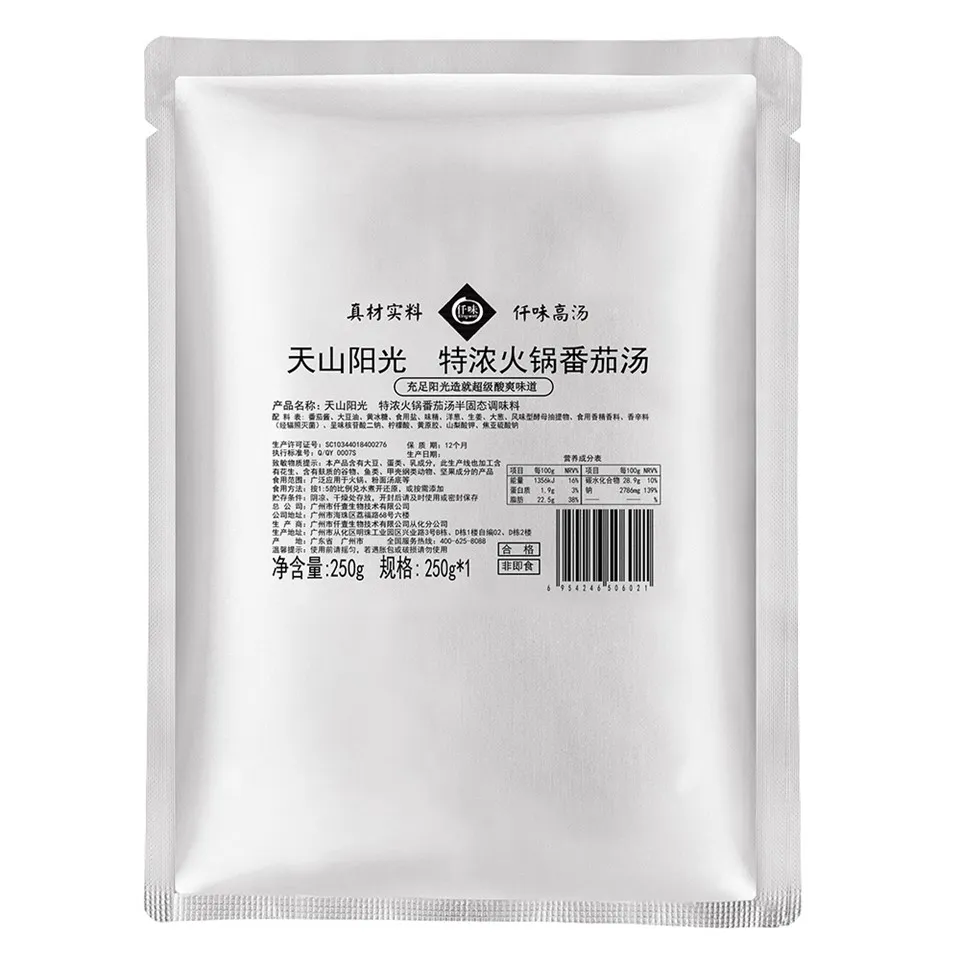
At our company, we understand the importance of quality when it comes to tomato soup paste. Our products, such as Concentrated Tomato Soup, Tomato Hot Pot Base, and Tomato Soup Base, are made from carefully selected tomatoes to ensure the best flavor and nutritional value.
We use advanced production techniques to concentrate the tomatoes while preserving their natural goodness. Unlike homemade tomato soup paste, which may vary in quality and consistency depending on the cooking method and ingredients used, our products offer a consistent and reliable flavor that you can count on for all your culinary needs.
Why Choose Our Tomato Soup Paste?
- Convenience: Making tomato soup paste at home is time - consuming, especially if you have a busy schedule. Our products are ready - to - use, saving you the hassle of spending hours in the kitchen.
- Quality: We source the freshest tomatoes and use strict quality control measures throughout the production process. This ensures that our tomato soup paste has a rich, authentic flavor and high nutritional content.
- Versatility: Our tomato soup paste can be used in a variety of dishes, from soups and stews to pasta sauces and hot pots. It adds a depth of flavor that enhances any recipe.
Let's Connect for Purchasing
If you're a food business owner, a restaurant chef, or simply someone who loves cooking with high - quality ingredients, we'd love to hear from you. Our tomato soup paste products can be a valuable addition to your kitchen or business. Whether you need a small quantity for personal use or a large order for commercial purposes, we're equipped to meet your needs. Contact us to start a discussion about your requirements and explore the possibilities of using our top - notch tomato soup paste in your dishes.
References
- "The Joy of Cooking" by Irma S. Rombauer, Marion Rombauer Becker, and Ethan Becker. This classic cookbook provides detailed information on tomato - based recipes and the process of making tomato purees and pastes.
- "Preserving Tomatoes: Canning, Freezing, Drying, and Other Ways to Save Summer's Bounty" by Cheryl Alters Jamison and Bill Jamison. This book offers in - depth knowledge on different preservation methods for tomatoes, including making tomato soup paste.


