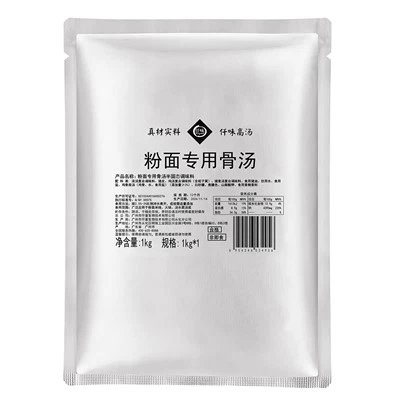
Hey there! As a tomato bouillon supplier, I often get asked about the best ways to store this delicious and versatile product. In this blog post, I'll share some tips and tricks on how to keep your tomato bouillon fresh and flavorful for as long as possible.
First things first, let's talk about the different types of tomato bouillon products I offer. I've got Soup Tomato Sauce, which is perfect for making all kinds of soups. It adds a rich, tomato - based flavor that really makes your soup stand out. Then there's the Tomato Hot Pot Soup Base, great for those cozy hot pot nights at home. And of course, the Tomato Soup Base, which is a staple for quick and easy tomato soups.
Now, when it comes to storing tomato bouillon, the first factor to consider is whether the product is opened or unopened.
Unopened Tomato Bouillon
If you've got unopened tomato bouillon in your pantry, it's relatively easy to store. Most of my unopened tomato bouillon products have a long shelf - life. They're usually packed in air - tight containers or cans, which help to preserve the flavor and quality.
For canned tomato bouillon, you can store it in a cool, dry place. A pantry or a cupboard away from direct sunlight is ideal. The temperature should be relatively stable, around 50 - 70°F (10 - 21°C). Avoid storing cans near the stove or any other heat source, as heat can cause the product to spoil faster.
Unopened cartons of tomato bouillon also need to be kept in a cool and dry environment. Just like cans, they're designed to last for a while on the shelf. Check the expiration date on the package, and you can be confident that it'll be good until then as long as it's stored properly.
Opened Tomato Bouillon
Once you've opened a container of tomato bouillon, things get a bit more complicated. But don't worry, with the right storage methods, you can still keep it fresh.
If you've opened a can of tomato bouillon, you shouldn't leave the leftover in the can. Cans can react with the acidic nature of the tomato bouillon over time, which can affect the taste and safety of the product. Instead, transfer the remaining tomato bouillon to a clean, air - tight container. Glass or plastic containers with tight - fitting lids work great.
After transferring, put the container in the refrigerator. The cold temperature in the fridge slows down the growth of bacteria and other microorganisms that can cause spoilage. Opened tomato bouillon stored in the fridge will typically last for about 3 - 4 days.
For cartons of tomato bouillon, if you've only used a portion of it, make sure to seal the carton tightly. Then, pop it in the fridge. Similar to canned tomato bouillon, it'll be good for 3 - 4 days once opened.
Freezing Tomato Bouillon
If you don't think you'll use up the opened tomato bouillon within a few days, freezing is a great option. Freezing can extend the shelf - life of tomato bouillon significantly.
To freeze tomato bouillon, first, let it cool down to room temperature. This is important because putting hot or warm liquid in the freezer can raise the temperature inside the freezer and affect other frozen items.
Then, pour the tomato bouillon into ice cube trays or small freezer - safe containers. Using ice cube trays is a great idea because it allows you to portion the tomato bouillon easily. You can just take out one or two cubes whenever you need a small amount for a recipe.


Label the containers or trays with the date of freezing. This way, you'll know how long it's been in the freezer. Frozen tomato bouillon can last for about 3 - 6 months. When you're ready to use it, just thaw it in the fridge overnight or use the defrost function on your microwave.
Signs of Spoilage
It's important to know the signs of spoilage so you don't end up using bad tomato bouillon.
If the tomato bouillon has a foul smell, it's a clear sign that it's gone bad. Fresh tomato bouillon should have a pleasant, tomato - like aroma. Any sour, moldy, or otherwise off - putting smell means it's time to throw it away.
Another sign is a change in color or texture. If the tomato bouillon has become discolored, or if it's developed a slimy or chunky texture that wasn't there before, it's not safe to consume.
Tips for Maintaining Quality
- Keep it clean: Always use clean utensils when scooping out tomato bouillon from a container. Dirty spoons or ladles can introduce bacteria into the product, increasing the risk of spoilage.
- Minimize air exposure: When storing opened tomato bouillon, try to remove as much air as possible from the container. Air can cause oxidation, which can affect the flavor and quality of the product. You can use a vacuum - sealer for containers if you have one.
In conclusion, proper storage of tomato bouillon is crucial to maintain its flavor, quality, and safety. Whether it's unopened, opened, or frozen, following these storage methods will help you get the most out of your tomato bouillon.
If you're a restaurant owner, a home cook, or just someone who loves great - tasting tomato - based dishes, and you're interested in purchasing high - quality tomato bouillon products, I'd love to hear from you. We can have a chat about your needs and how my tomato bouillon products can fit into your menu or cooking routine.
References
- "Food Storage Guidelines", U.S. Department of Agriculture
- "Safe Handling of Food Products", Food and Drug Administration