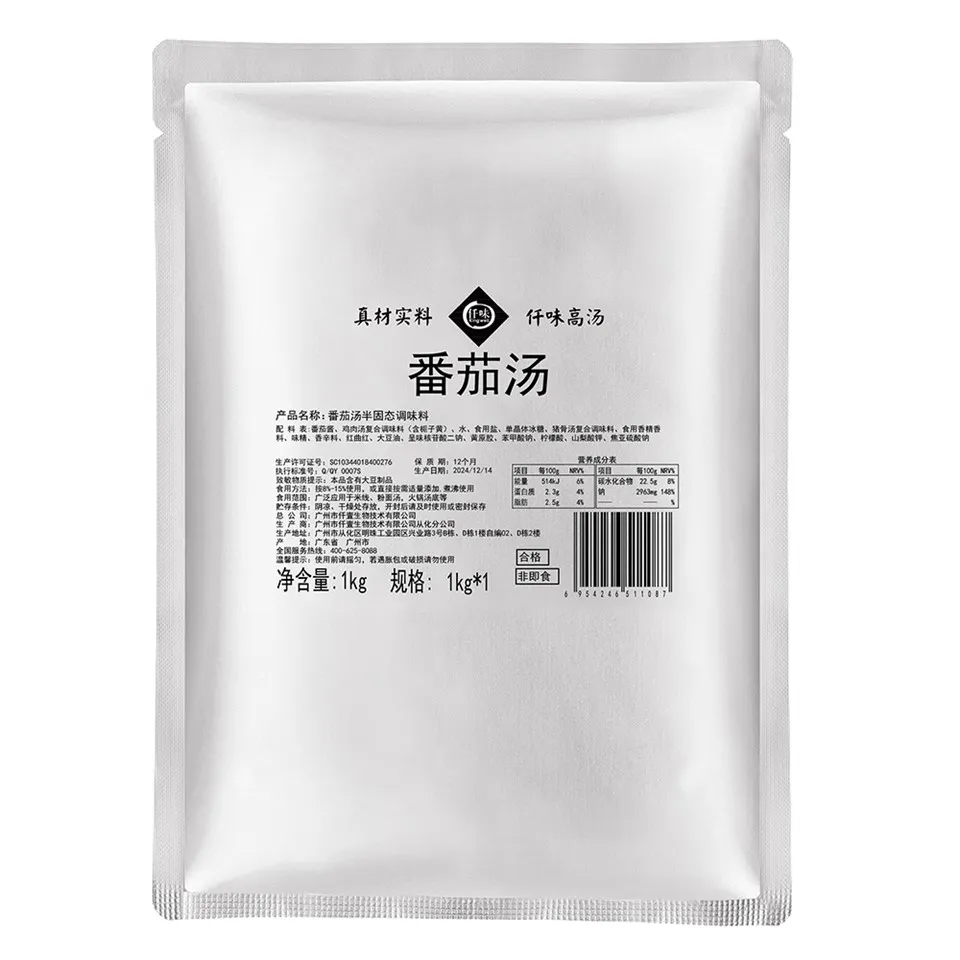
As a supplier of Tomato Soup Paste, I understand the importance of catering to the growing demand for healthier food options. One of the key concerns in many processed foods, including our beloved tomato soup paste, is the high sodium content. Excessive sodium intake has been linked to various health issues, such as high blood pressure, heart disease, and stroke. In this blog post, I'll share some effective ways to reduce the sodium in tomato soup paste without compromising on flavor.
Understanding the Role of Sodium in Tomato Soup Paste
Before we delve into the reduction strategies, it's essential to understand why sodium is added to tomato soup paste in the first place. Sodium serves multiple purposes. It acts as a preservative, extending the shelf life of the product by inhibiting the growth of bacteria and other microorganisms. Additionally, sodium enhances the flavor of the paste, making it more savory and appealing to consumers. However, with increasing health awareness, finding a balance between flavor and sodium reduction has become crucial.
Strategies for Reducing Sodium in Tomato Soup Paste
1. Use Low-Sodium Ingredients
The first step in reducing sodium is to start with low-sodium ingredients. When sourcing tomatoes, choose varieties that are naturally low in sodium or have not been processed with high amounts of salt. Additionally, opt for other ingredients like onions, garlic, and herbs that are also low in sodium. By using these low-sodium alternatives from the beginning, you can significantly reduce the overall sodium content of the tomato soup paste.
For instance, instead of using regular canned tomatoes loaded with added salt, look for low-sodium or no-salt-added options. These are readily available in most grocery stores and can make a substantial difference in the final sodium level of your paste.

2. Adjust the Recipe
Reevaluate your recipe and consider reducing the amount of salt added. You can start by gradually decreasing the salt quantity and tasting the paste at each step to find the optimal balance between flavor and sodium reduction. In many cases, you might find that you can reduce the salt by up to 25% without sacrificing much in terms of taste.
Moreover, you can replace some of the salt with other flavor enhancers. Herbs and spices are excellent alternatives. For example, basil, oregano, thyme, and rosemary can add a burst of flavor to the tomato soup paste. Garlic powder, onion powder, and paprika are also great options to enhance the savory notes without adding excessive sodium.
3. Incorporate Acidic Ingredients
Acidic ingredients can help mask the lack of salt and provide a bright, tangy flavor to the tomato soup paste. Lemon juice, vinegar, or even a splash of white wine can work wonders. The acidity cuts through the richness of the tomatoes and adds a refreshing element to the paste.
When adding acidic ingredients, start with a small amount and gradually increase it until you achieve the desired flavor. Just be careful not to overdo it, as too much acidity can overpower the other flavors in the paste.
4. Use Umami-Rich Ingredients
Umami is often described as the fifth taste, and it adds a savory, satisfying flavor to foods. Incorporating umami-rich ingredients can help compensate for the reduced sodium. Ingredients like mushrooms, soy sauce (you can choose low-sodium soy sauce), and miso paste are excellent sources of umami.
For example, you can finely chop mushrooms and add them to the tomato soup paste during the cooking process. The mushrooms will release their natural umami flavors, enhancing the overall taste of the paste.
5. Employ High-Pressure Processing (HPP)
High-pressure processing is a non-thermal preservation technique that can be used as an alternative to traditional methods that rely heavily on sodium as a preservative. HPP involves subjecting the tomato soup paste to high pressure, which inactivates harmful microorganisms and enzymes without the need for excessive salt.
This method not only helps in reducing sodium but also retains the nutritional value and fresh flavor of the tomatoes. While HPP requires specialized equipment, it can be a worthwhile investment for a tomato soup paste supplier looking to produce a healthier product.
Marketing and Communicating the Reduced-Sodium Tomato Soup Paste
Once you have successfully reduced the sodium in your tomato soup paste, it's important to effectively market and communicate this benefit to your customers. Highlight the reduced-sodium feature on your product packaging, labels, and marketing materials. Emphasize the health advantages of choosing your low-sodium tomato soup paste, such as supporting heart health and reducing the risk of high blood pressure.
You can also consider collaborating with health influencers or nutritionists to promote your product. Their endorsement and recommendations can significantly increase the visibility and credibility of your reduced-sodium tomato soup paste.
Related Products and Their Sodium Reduction Potential
In addition to our Tomato Soup Paste, we also offer Tomato Hot Pot Base and Soup Tomato Sauce. The same strategies for reducing sodium in tomato soup paste can be applied to these products as well.
For the tomato hot pot base, you can adjust the recipe to use less salt and incorporate more herbs, spices, and umami-rich ingredients. The soup tomato sauce can also benefit from the use of low-sodium ingredients and flavor enhancers. By offering a range of reduced-sodium tomato-based products, you can cater to a wider customer base that is health-conscious.
Invitation to Contact for Procurement
We are committed to providing high-quality, reduced-sodium tomato products. If you are a retailer, distributor, or foodservice provider interested in our Tomato Soup Paste, Tomato Hot Pot Base, or Soup Tomato Sauce, we would love to have a discussion with you. Contact us to learn more about our products, pricing, and how we can meet your specific procurement needs.
References
- American Heart Association. (2023). Sodium and Your Health.
- Institute of Food Technologists. (2022). High-Pressure Processing in Food Preservation.
- World Health Organization. (2021). Guidelines on Sodium Intake for Adults and Children.