

Hey there! As a beef stock supplier, I get asked a ton of questions about making the perfect beef stock. One question that pops up all the time is, "Do I need to soak the beef bones before making beef stock?" Well, let's dive right into it and find out.
First off, let's talk about what soaking the beef bones actually does. When you soak beef bones in cold water for a few hours, you're essentially allowing the blood and impurities to leach out. Blood can give your beef stock a cloudy appearance and a slightly metallic taste. By soaking the bones, you can get rid of a good portion of that blood, resulting in a clearer and cleaner - tasting stock.
Think of it like pre - cleaning your ingredients. Just like you'd wash vegetables before cooking them, soaking the bones is a way to prep them for the stock - making process. It's a simple step that can make a big difference in the final product.
Now, let's look at the pros of soaking the beef bones. As I mentioned earlier, the most obvious benefit is the clarity of the stock. A clear beef stock looks more appetizing, especially when you're using it as a base for Beef Broth Based Soup. It also has a cleaner flavor profile. You won't have that off - taste that sometimes comes from the blood in the bones.
Soaking the bones can also help reduce the amount of foam that forms on the surface when you're simmering the stock. Foam is mainly made up of impurities and proteins that rise to the top. By removing some of these through soaking, you'll have less foam to skim off during the cooking process, which saves you time and effort.
On the other hand, there are some cons to consider. Soaking the bones takes time. If you're in a hurry to make beef stock, you might not have a few hours to spare for soaking. And let's be real, sometimes we just want to get that stock going right away.
Another thing is that some people argue that soaking the bones can also leach out some of the flavor - enhancing minerals and nutrients. While there's some truth to this, the amount lost is usually minimal compared to the overall flavor and quality you gain from a clearer and cleaner stock.
In my experience as a beef stock supplier, I always recommend soaking the bones if you have the time. It's a small investment that pays off in the long run. The end - product is of higher quality, and it's more likely to meet the standards of even the most discerning customers.
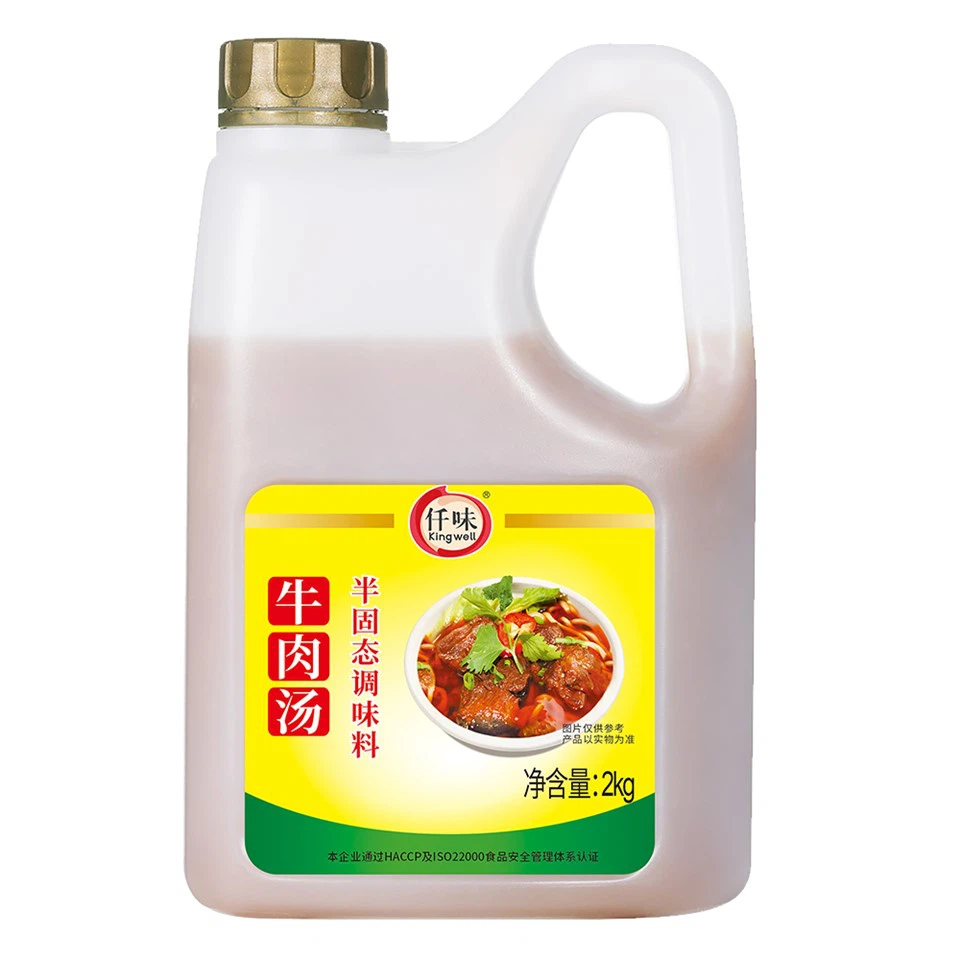
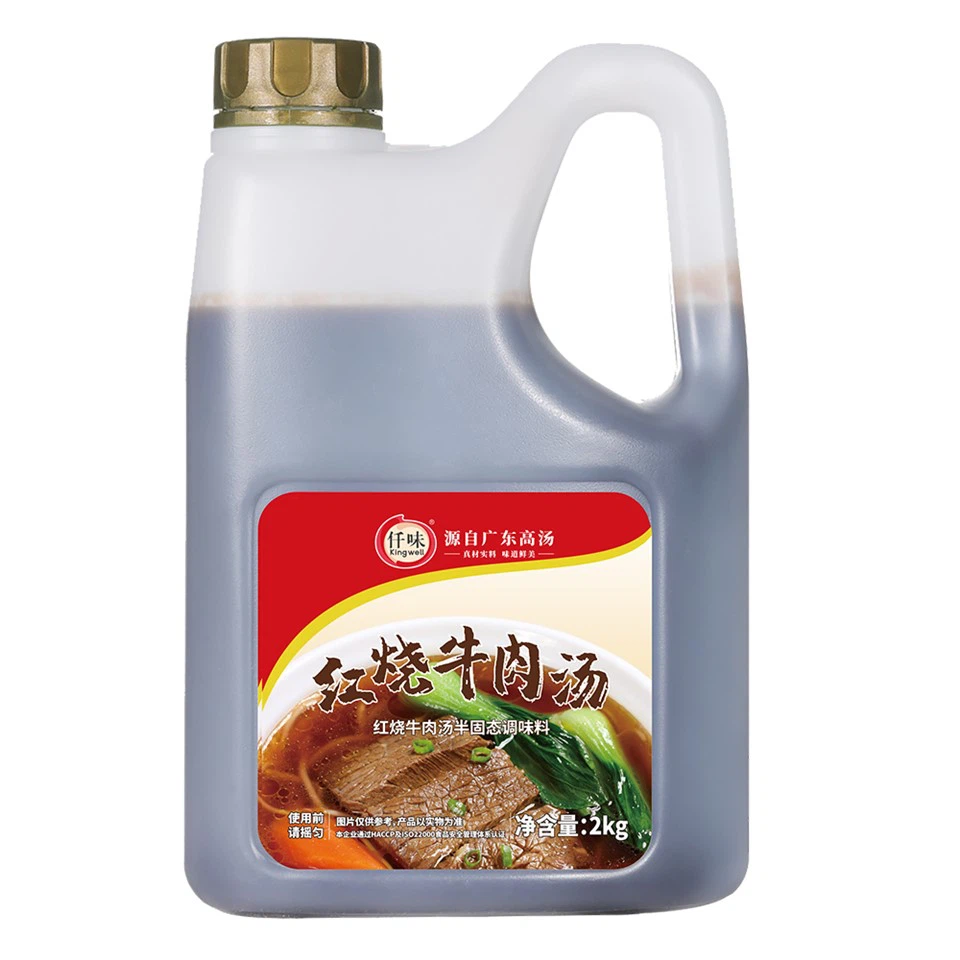
When you're making beef stock for commercial purposes, like I do, the quality of the stock is crucial. We supply Beef Noodle Soup Base and Liquid Beef Stock to restaurants and food manufacturers. A high - quality, clear beef stock is what our customers expect, and soaking the bones is one of the key steps in achieving that.
Here's a simple guide on how to soak beef bones properly. First, place the bones in a large container or a stockpot. Fill it with cold water until the bones are completely submerged. You can add a little bit of vinegar or lemon juice to the water. This helps to break down the blood and makes it easier to remove.
Let the bones soak in the cold water for at least 2 - 3 hours, or even overnight in the refrigerator. Make sure to change the water every hour or so. This ensures that the water doesn't get too saturated with blood and impurities.
After soaking, drain the water and rinse the bones thoroughly under cold running water. Now they're ready to go into the stockpot for simmering.
When it comes to simmering the beef bones, there are a few tips I'd like to share. Use a large, heavy - bottomed pot. This helps to distribute the heat evenly and prevents the stock from burning. Add some vegetables like onions, carrots, and celery to the pot. These vegetables add flavor and aroma to the stock.
Bring the water to a boil, then reduce the heat to a gentle simmer. Skim off any foam that rises to the surface. Simmer the stock for at least 4 - 6 hours, or even longer if you have the time. The longer you simmer, the more flavor and nutrients you'll extract from the bones.
Once the stock is done simmering, strain it through a fine - mesh sieve or cheesecloth. This removes any solids and leaves you with a smooth, clear beef stock. Let the stock cool down to room temperature, then refrigerate or freeze it for later use.
So, to answer the question, "Do I need to soak the beef bones before making beef stock?" The answer is, it depends. If you have the time and want a high - quality, clear, and flavorful beef stock, then yes, you should soak the bones. But if you're short on time, you can still make a decent beef stock without soaking.
As a beef stock supplier, I'm always here to help you make the best beef stock possible. Whether you're a home cook or a professional chef, we have a range of beef stock products that can meet your needs. If you're interested in our Beef Broth Based Soup, Beef Noodle Soup Base, or Liquid Beef Stock, feel free to reach out for a procurement discussion. We're happy to work with you to find the right solutions for your business.
References:
- Personal experience as a beef stock supplier
- General knowledge of cooking and food science


