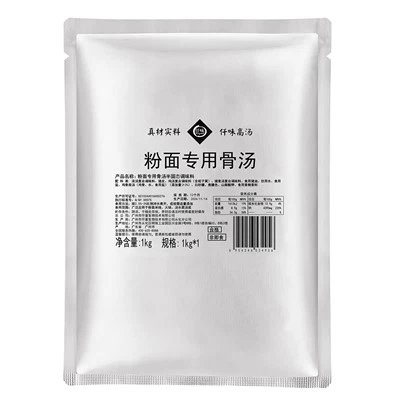
As a supplier of Pork Ramen Stock, I've witnessed firsthand the pivotal role that the quality of pork plays in crafting an exceptional ramen stock. Ramen, a beloved Japanese dish, has transcended cultural boundaries and become a global phenomenon. At the heart of every great bowl of ramen lies a rich, flavorful stock, and when it comes to pork ramen, the quality of the pork used can make or break the final product.
The Basics of Pork Ramen Stock
Pork ramen stock, also known as tonkotsu stock, is traditionally made by simmering pork bones, often along with other ingredients like pork fat, vegetables, and seasonings, for an extended period. This slow cooking process extracts the collagen from the bones, resulting in a thick, creamy, and intensely flavorful broth. The stock serves as the foundation of the ramen, providing the base flavor and texture that elevates the entire dish.
Impact of Pork Quality on Flavor
The flavor of pork ramen stock is directly influenced by the quality of the pork used. High - quality pork comes from pigs that have been raised in a healthy and natural environment, fed a balanced diet, and humanely treated. Such pork has a more complex and well - rounded flavor profile.
Pigs that are raised on a diet rich in grains and natural forage tend to have meat with a sweet, nutty undertone. When these high - quality pork bones and fats are used in the stock, they impart a depth of flavor that is both rich and savory. On the other hand, lower - quality pork, which may come from pigs raised in crowded and stressful conditions and fed a poor diet, can result in a stock that is flat and lacks the desired complexity.


The fat content in the pork also plays a crucial role in flavor. High - quality pork typically has a good marbling of fat, which melts during the cooking process and adds a luxurious, buttery mouthfeel to the stock. This fat not only enhances the flavor but also helps to emulsify the broth, giving it a creamy consistency. In contrast, leaner, lower - quality pork may not contribute enough fat to the stock, resulting in a thinner and less flavorful broth.
Influence on Nutritional Value
The quality of pork also affects the nutritional value of the ramen stock. High - quality pork contains more beneficial nutrients such as protein, vitamins, and minerals. For example, pork bones are a rich source of calcium, phosphorus, and magnesium, which are essential for bone health. When these high - quality bones are used in the stock, they release these nutrients into the broth, making it a more nutritious option.
Moreover, the collagen in the bones, which is responsible for the stock's creamy texture, has numerous health benefits. It supports joint health, improves skin elasticity, and aids in digestion. High - quality pork bones generally have a higher collagen content, resulting in a stock that is not only delicious but also good for you.
Texture and Appearance
The texture and appearance of the pork ramen stock are closely related to the quality of the pork. High - quality pork bones, especially those from well - developed pigs, are more likely to yield a stock with a thick, gelatinous consistency. This is because they contain more collagen, which breaks down during the long - simmering process and turns into gelatin.
A stock made from high - quality pork has a beautiful, opaque appearance, with a rich, creamy color. The fat from the high - quality pork emulsifies with the broth, creating a smooth and velvety texture. In contrast, a stock made from lower - quality pork may be thin and watery, lacking the desired thickness and creaminess.
Quality and Consistency
As a supplier, maintaining consistency in the quality of our Pork Ramen Stock is of utmost importance. Using high - quality pork ensures that each batch of stock has the same great flavor, texture, and appearance. This consistency is crucial for our customers, whether they are restaurants, food manufacturers, or home cooks.
Restaurants rely on a consistent product to maintain the quality of their ramen dishes. If the flavor or texture of the stock varies from batch to batch, it can negatively impact the customer experience. Similarly, food manufacturers need a consistent stock to ensure that their packaged ramen products meet the same high standards every time.
Our Approach as a Supplier
At our company, we are committed to using only the highest - quality pork in our Pork Ramen Stock. We source our pork from trusted farms that adhere to strict animal welfare and quality standards. Our farmers raise their pigs in a natural and stress - free environment, feeding them a diet that promotes healthy growth and flavor development.
We carefully select the pork bones and fats for our stock, ensuring that they have the right amount of marbling and collagen. Our production process involves a slow, gentle simmering of the pork ingredients for an extended period to extract the maximum flavor and nutrients. We also use a blend of traditional and modern techniques to ensure that our stock is of the highest quality.
Related Products
If you're interested in exploring other pork - based products, we recommend checking out our Chicken and Pork Broth, Soup Base for Pork Bone Hot Pot, and Pork Broth Soup. These products are also made with high - quality pork and offer a delicious and convenient way to enjoy the flavors of pork.
Contact Us for Procurement
We understand that the quality of our Pork Ramen Stock is what sets us apart in the market. Whether you're a restaurant owner looking to enhance your ramen offerings, a food manufacturer in need of a reliable stock supplier, or a home cook who wants to make restaurant - quality ramen at home, we'd love to hear from you. If you're interested in purchasing our Pork Ramen Stock or have any questions about our products, please feel free to reach out to us. We're committed to providing you with the best possible service and the highest - quality pork ramen stock.
References
- "The Science of Cooking: Understanding the Biology and Chemistry Behind Food and Cooking" by Peter Barham
- "Japanese Soul Food: Ramen, Dumplings, Curry & Other Classics" by Tadashi Ono and Harris Salat
- Research studies on the impact of animal welfare and diet on meat quality in peer - reviewed journals such as the Journal of Animal Science.