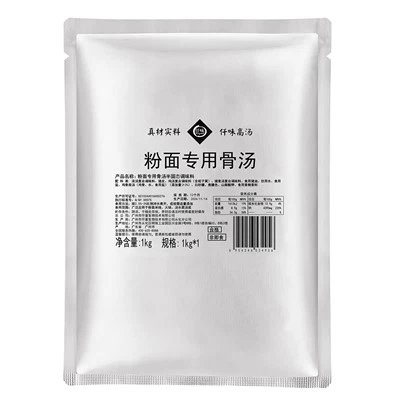
Hey there! As a chicken stock supplier, I've dealt with all sorts of questions about chicken stock, and one that comes up a lot is how to store it properly. In this blog, I'll share some tips on storing different types of chicken stock, like Chicken Concentrated Stock, Chicken Liquid Stock, and Umami Chicken Stock.
Why Proper Storage Matters
First off, you might be wondering why it's so important to store chicken stock correctly. Well, chicken stock is full of nutrients and flavors that can go bad quickly if not stored right. Bacteria love warm, moist environments, and chicken stock provides the perfect breeding ground. If you don't store it properly, you risk getting sick from spoiled stock, and you'll also lose that delicious flavor that makes your soups, stews, and sauces taste so great.
Storing Chicken Liquid Stock
Let's start with chicken liquid stock. This is the most common type of chicken stock you'll find, and it's pretty straightforward to store.
Short - Term Storage
If you're planning to use your chicken liquid stock within a few days, the fridge is your best bet. After making or buying the stock, let it cool down to room temperature first. You don't want to put hot stock in the fridge because it can raise the temperature inside and spoil other food. Once it's cooled, pour the stock into airtight containers. I recommend using glass or plastic containers with tight - fitting lids. You can also use freezer bags if you're short on space, but make sure to squeeze out as much air as possible before sealing.
Store the stock on a shelf in the fridge, not in the door. The door is the warmest part of the fridge, and the temperature can fluctuate every time you open it. Chicken liquid stock can last about 3 - 4 days in the fridge.
Long - Term Storage
For long - term storage, the freezer is your friend. Chicken liquid stock can last for up to 6 months in the freezer. Again, let the stock cool to room temperature first. Then, pour it into freezer - safe containers or bags. You can portion the stock into small containers, like 1 - cup or 2 - cup sizes. This way, you can thaw only as much as you need.
When using freezer bags, lay them flat on a baking sheet and freeze them that way. Once they're frozen, you can stack them to save space. Label the containers or bags with the date so you know how long they've been in the freezer.
Storing Chicken Concentrated Stock
Chicken concentrated stock is more concentrated in flavor and has a thicker consistency than liquid stock. It's also more versatile because you can dilute it according to your needs.
Short - Term Storage
Similar to liquid stock, let the concentrated stock cool to room temperature before storing. In the short term, you can keep it in the fridge for about 1 - 2 weeks. Use airtight containers, and make sure to keep it in the back of the fridge where the temperature is most consistent.
Long - Term Storage
If you're not going to use the concentrated stock for a while, freeze it. Concentrated stock can last up to 1 year in the freezer. You can use ice cube trays to portion the stock into small cubes. Once the cubes are frozen, transfer them to a freezer bag. This makes it easy to use just a little bit of stock at a time.
Storing Umami Chicken Stock
Umami chicken stock is known for its rich, savory flavor. The storage methods for umami chicken stock are similar to those for regular chicken liquid stock.
Short - Term Storage
Cool the umami chicken stock to room temperature and store it in the fridge in airtight containers for 3 - 4 days. Remember to keep it away from the door of the fridge.
Long - Term Storage
For long - term use, freeze the umami chicken stock. It can last up to 6 months in the freezer. You can portion it into small containers or use freezer bags, just like with other types of stock.


Tips for Thawing Chicken Stock
When it's time to use your frozen chicken stock, you need to thaw it properly. The best way to thaw chicken stock is in the fridge. Just move the container or bag from the freezer to the fridge the night before you plan to use it. This slow thawing process helps maintain the flavor and texture of the stock.
If you're in a hurry, you can also thaw the stock in the microwave. Use the defrost setting and check the stock every 30 seconds or so to make sure it doesn't start to cook. Another option is to place the sealed freezer bag in a bowl of cold water. Change the water every 30 minutes until the stock is thawed.
Signs of Spoiled Chicken Stock
It's important to know when your chicken stock has gone bad. Here are some signs to look out for:
- Smell: If the stock smells sour, rancid, or off in any way, it's probably spoiled.
- Appearance: Look for mold, cloudiness, or an unusual color. If you see any of these, don't use the stock.
- Taste: If you're brave enough to take a small sip and it tastes bad, throw it away.
Contact for Purchase
If you're interested in buying high - quality chicken stock, whether it's Chicken Concentrated Stock, Chicken Liquid Stock, or Umami Chicken Stock, feel free to reach out to us. We're always happy to discuss your needs and provide you with the best chicken stock for your kitchen.
References
- "The Joy of Cooking" by Irma S. Rombauer, Marion Rombauer Becker, and Ethan Becker.
- USDA Food Safety and Inspection Service guidelines on storing meat and poultry products.
- Various food science studies on the preservation of liquid and concentrated food products.