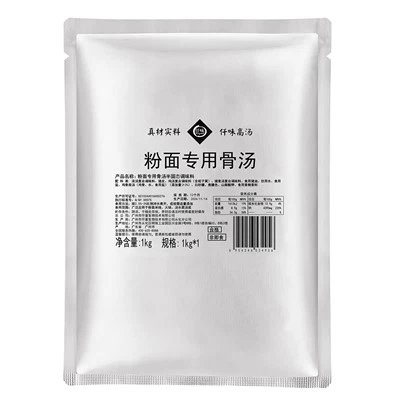
Can I use liquid beef stock in a seafood chowder? That's a question I've been getting a lot lately, and as a liquid beef stock supplier, I'm more than happy to dig into it.


First off, let's talk about what seafood chowder is all about. Seafood chowder is a creamy, comforting soup that typically features a mix of seafood like clams, shrimp, fish, and sometimes even crab. It's known for its rich, briny flavor that comes from the sea. Traditionally, seafood chowders are made with fish stock or clam juice, which help to enhance and maintain that fresh, ocean - like taste.
Now, the idea of using liquid beef stock in a seafood chowder might seem a bit off at first glance. Beef stock has a very distinct flavor profile. It's savory, meaty, and has a depth that comes from simmering beef bones, meat, and vegetables. This is quite different from the light, delicate flavors of seafood. But here's the thing - cooking is all about experimentation, and there are situations where using liquid beef stock in a seafood chowder could work.
One scenario where it might be okay is if you're aiming for a heartier, more robust version of seafood chowder. The beef stock can add an extra layer of umami and a thicker body to the soup. For example, if you're using a lot of firm - fleshed fish like halibut or cod, the beef stock can stand up to the stronger flavors of these types of seafood. Also, if you're including other heartier ingredients in your chowder, such as potatoes or bacon, the beef stock can tie all these flavors together nicely.
However, there are some potential drawbacks. The strong beefy flavor can easily overpower the more delicate seafood notes. If you're using milder seafood like scallops or mussels, the beef stock might drown out their natural flavors. Also, the taste combination of beef and seafood might not be to everyone's liking. Some people have a strong preference for the pure, unadulterated taste of seafood in their chowders.
If you do decide to give it a try, here are some tips. Start by using a small amount of beef stock and gradually increase it as you taste. You can also mix it with some fish stock or clam juice to balance out the flavors. Another option is to season the beef stock well with herbs and spices that complement seafood, such as thyme, parsley, and a bit of lemon zest. This can help to mellow the beefy flavor and make it more harmonious with the seafood.
Now, let me tell you a bit about the liquid beef stock we supply. Our stock is made from high - quality beef bones and fresh vegetables. We simmer it for hours to extract all the rich flavors and nutrients. It's a great base for all kinds of soups, not just a potentially experimental seafood chowder. You can use it to make a classic Beef Broth Based Soup or a flavorful Beef Flavored Soup Base. And if you're looking for a more concentrated option, our Beef Soup Base is perfect for adding a deep, beefy flavor to any dish.
Whether you're a professional chef or a home cook, our liquid beef stock can be a versatile addition to your kitchen. It's convenient, as it comes ready - to - use, and it can save you a lot of time compared to making your own stock from scratch.
In conclusion, while using liquid beef stock in a seafood chowder is not a traditional choice, it can be an interesting experiment. It all depends on your personal taste preferences and the kind of chowder you want to create. If you're feeling adventurous, go ahead and give it a shot. And if you're interested in trying our high - quality liquid beef stock for your next cooking project, we'd love to hear from you. Reach out to us to start a conversation about procurement and see how our product can elevate your dishes.
References
- "The Professional Chef" by The Culinary Institute of America
- "Seafood Cooking for Dummies" by Amy Finley